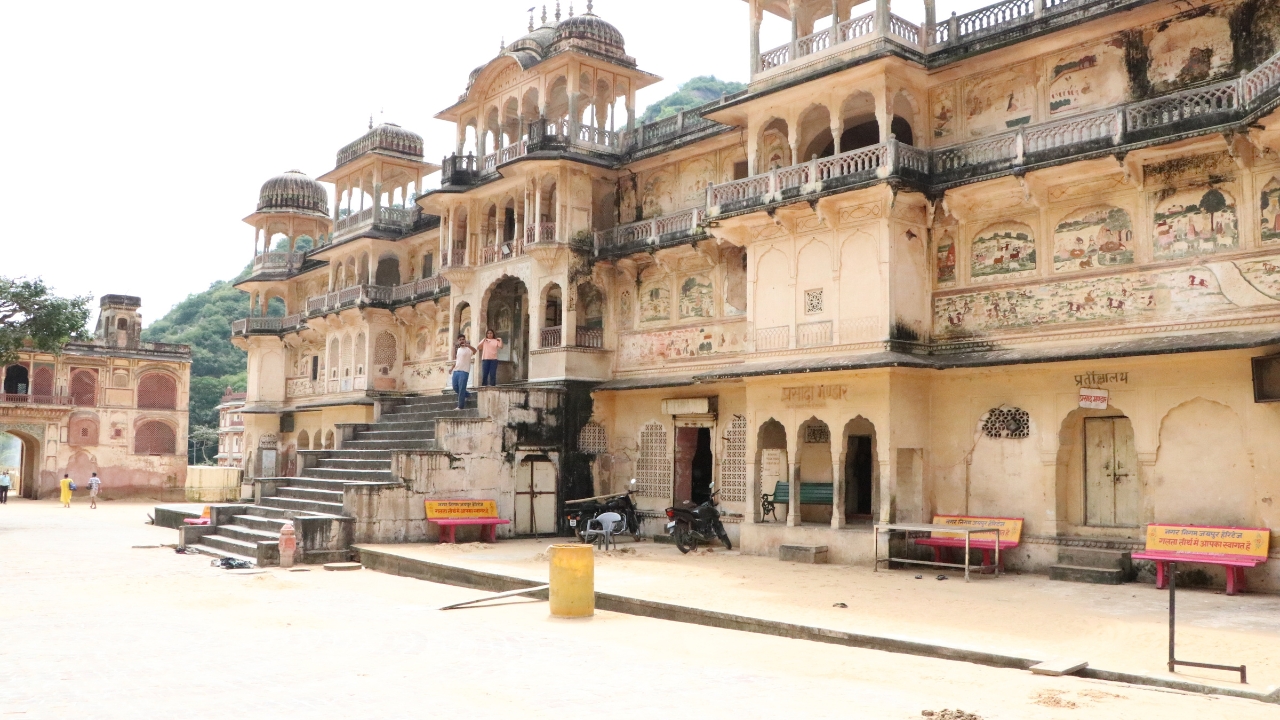
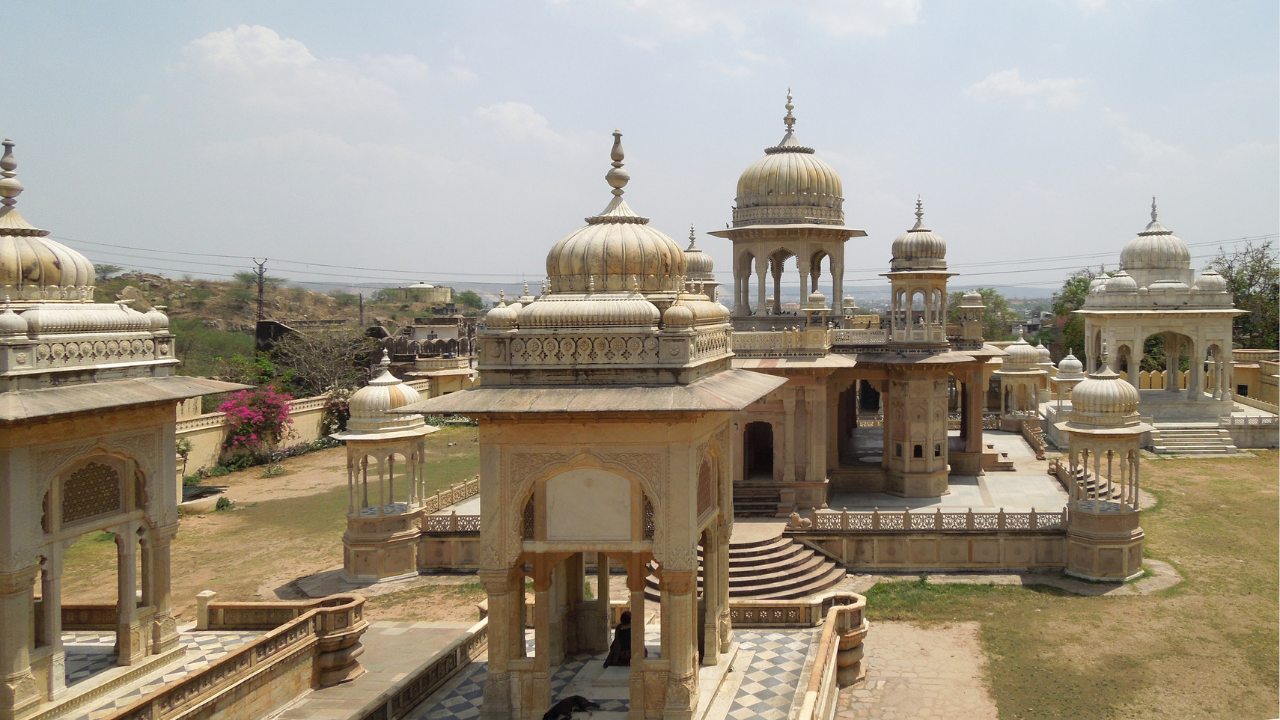
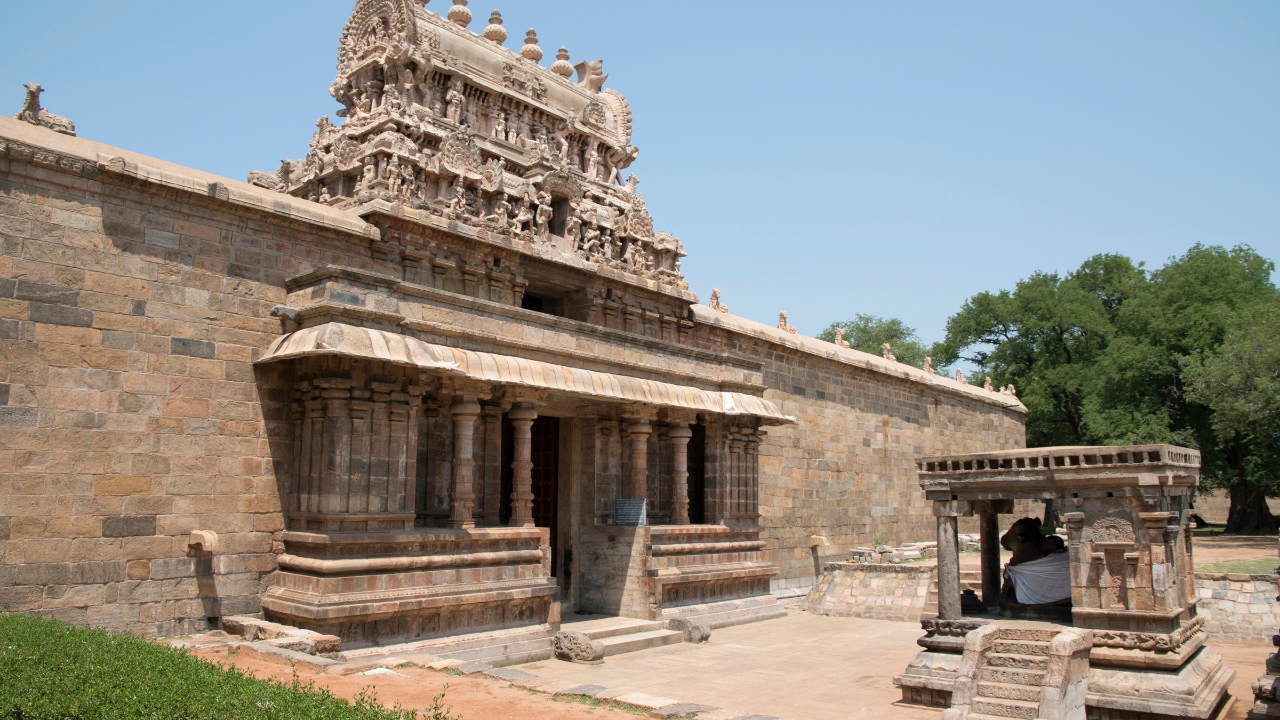
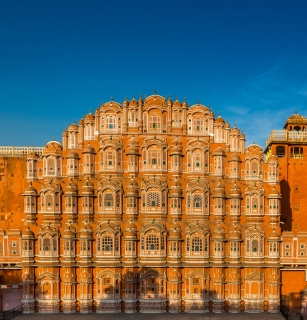


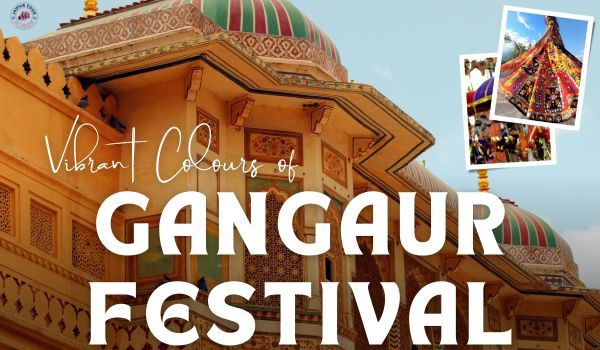
If you’ve ever wanted to see Jaipur at its most colorful, soul-stirring, and regal, there is no better time than during the Gangaur Festival. In 2026, this 18-day celebration—which kicks off right after Holi—culminates in a grand finale on March 21st.
As someone who has spent many afternoons walking the narrow lanes of the Walled City during these festivities, I can tell you that it’s not just a religious event; it’s a living, breathing spectacle of Rajasthani culture. From the aroma of fresh Ghevar to the sight of women in stunning Leheriya sarees, the energy is infectious.
If you’re planning to be in the Pink City, here are 10 amazing experiences you absolutely shouldn’t miss during Gangaur 2026, curated by the team at Jaipur Tour Planner.
1. Witness the Grand Royal Procession
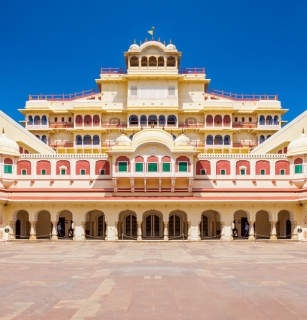
The heart of Gangaur in Jaipur is the royal procession (Sawar), which starts from the City Palace (Zenana Deodhi). It’s a scene straight out of a history book. You’ll see caparisoned elephants, camels, horses, and folk performers winding through the streets of Tripolia Bazar and Chhoti Chaupar. The beautifully decorated idol of Goddess Gauri is carried by women in traditional attire, and the sheer scale of the parade is breathtaking.
2. Indulge in Authentic ‘Ghevar’
You cannot talk about Gangaur without mentioning Ghevar. This disc-shaped honeycomb sweet is the hallmark of the festival. For a truly authentic taste, I recommend wandering into the heritage lanes of the old city. Look for the small, generations-old sweet shops tucked away in the narrow bylanes near Kishanpole Bazar or Ghee Walon Ka Rasta. These family-run establishments use traditional wood-fired methods to get that perfect crunch and rich malai topping that the big commercial outlets often miss.
3. Explore the Markets in Full Bloom
The bazaars of Jaipur—Bapu Bazar, Johari Bazar, and Nehru Bazar—get a festive makeover. Looking for the best Jaipur Tour Packages during this time? Make sure they include a “bazaar walk.” You’ll see local artisans selling hand-painted wooden idols of Isar (Lord Shiva) and Gangaur (Goddess Parvati). Even if you don’t buy anything, the vibrant window shopping is an experience in itself.
4. Watch the ‘Ghoomar’ Performances
Gangaur and Ghoomar go hand in hand. During the festival, you’ll find groups of women performing this graceful folk dance in public squares and private courtyards. The way their colorful ghagras (skirts) swirl in perfect circles is hypnotic. Many cultural centers also host special evening performances for tourists during the final days of the festival.
5. Experience the Rituals at Govind Dev Ji Temple
While the street processions are famous, the spiritual soul of the festival lies in the temples. A visit to the Govind Dev Ji Temple at dawn is magical. You’ll see local women offering prayers, singing traditional Gangaur Geet, and carrying small brass pots on their heads. The atmosphere is peaceful yet celebratory, offering a glimpse into the deep-rooted faith of the locals.
6. Get Your Hands Adorned with Mehndi
In Rajasthan, festivals are incomplete without Mehndi (Henna). During Gangaur, you’ll find henna artists sitting on the pavements of the old city near Hawa Mahal. Joining the local women to get intricate Rajasthani motifs on your palms is a great way to feel part of the celebration. It’s a fun, social activity where stories and laughter are shared over darkening stains of henna.
7. Photography at Chhoti Chaupar
If you’re a photography enthusiast, Chhoti Chaupar is your “spot.” As the procession passes through here, the vantage points from the surrounding rooftops offer a bird’s-eye view of the sea of colors. The contrast of the pink architecture with the bright turbans and sarees is a dream for any lensman. Just be sure to arrive early to snag a good spot!
8. Join a Local Family for Puja
Many heritage homestays and specialized Jaipur Tour Packages now offer “Cultural Immersion” experiences. If you get a chance to witness a traditional Gangaur puja in a local home, take it. Seeing how the clay idols are dressed in real jewelry and silk clothes, and hearing the folklore behind the “departure” of Gauri to her husband’s home, adds a layer of meaning you won’t get from just watching the parade.
9. Taste the Street Food at Night
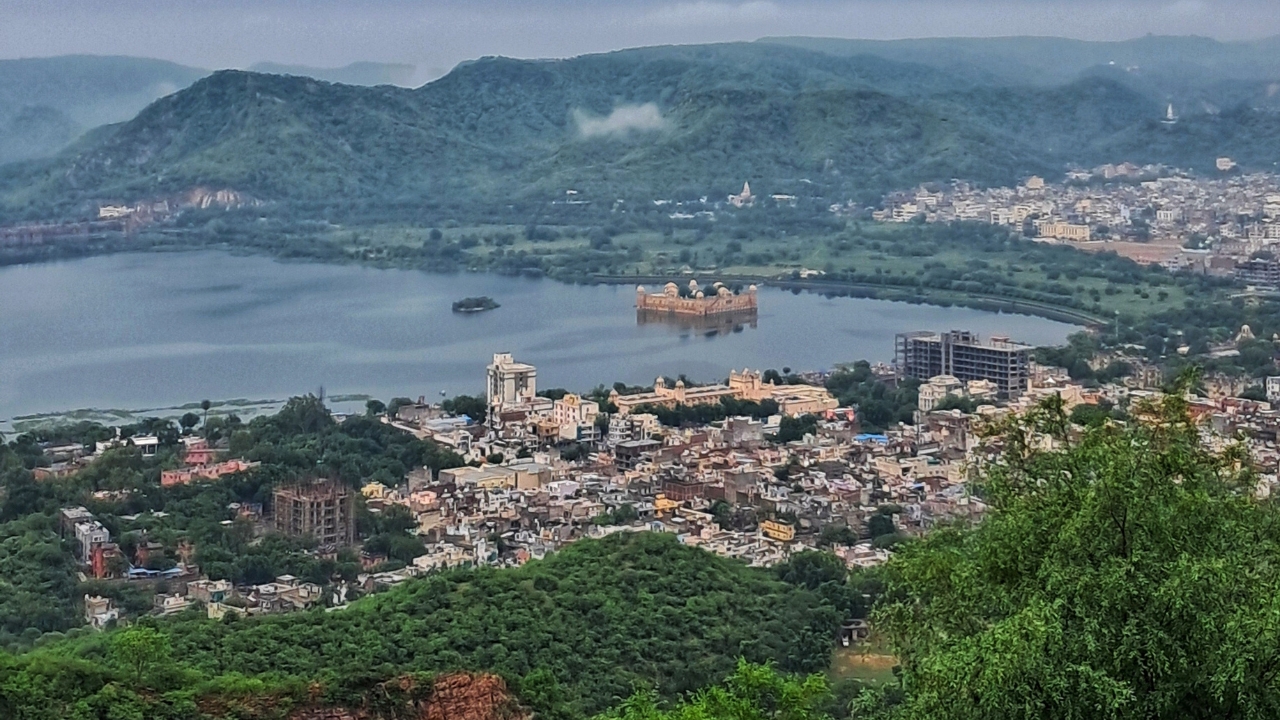
After the sun sets and the main rituals are done, the area around Talkatora Lake (where the procession often concludes) turns into a mini-fair. You can try local snacks like Pyaaz Kachori, Mirchi Bada, and cooling Lassi. The cool March breeze and the festive lights make it a perfect evening stroll.
10. Stay in a Heritage Hotel
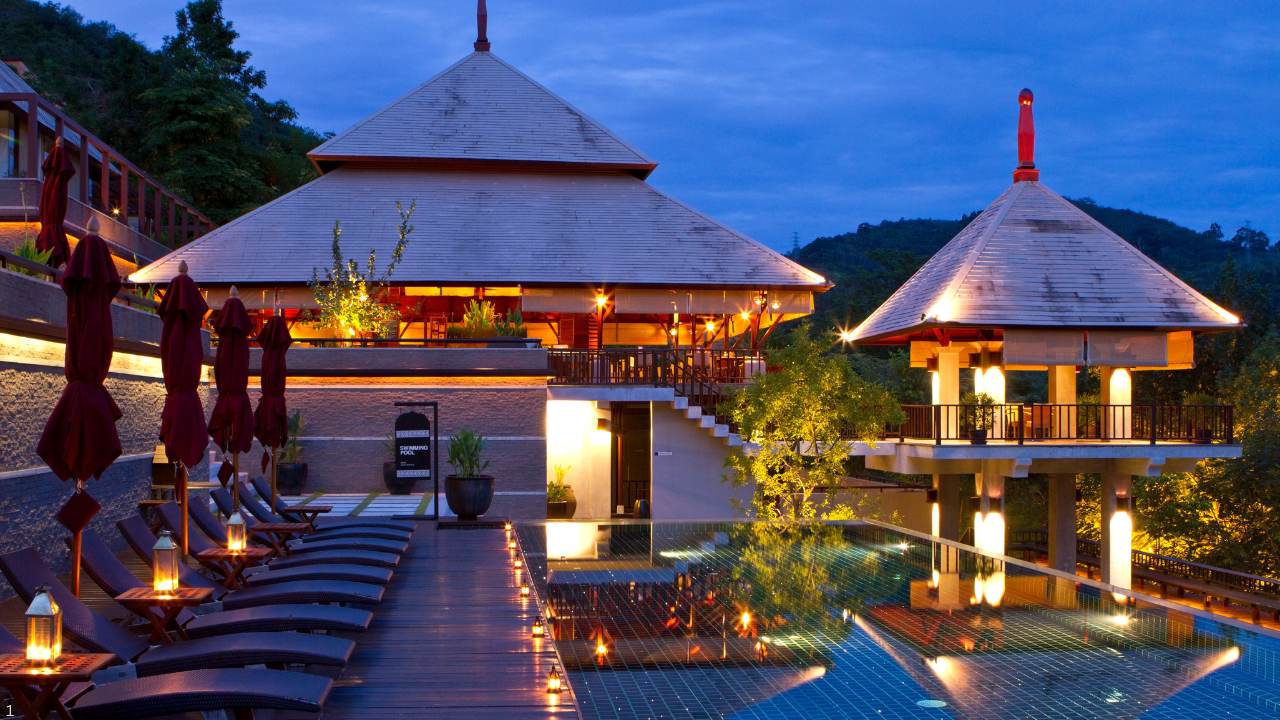
To truly soak in the royal vibe, stay in a heritage property within or near the Walled City. Many of these hotels, like the Alsisar Haveli or Samode Haveli, host their own private Gangaur celebrations with folk singers and special dinners. jaipur tour planner can help you find the perfect stay to match this royal atmosphere, ensuring you aren’t stuck in a generic modern hotel when history is happening right outside.
Conclusion
The Gangaur Festival is more than just a date on the calendar; it’s the spirit of Jaipur condensed into a few days of pure joy. Whether you’re a solo traveler, a couple, or a family, the warmth of the people and the richness of the traditions will stay with you long after the 2026 celebrations end.
Just remember to book your stay and transport well in advance, as the city gets quite busy! At Jaipur Tour Planner, we specialize in making these cultural journeys seamless and memorable. We’d love to help you navigate the crowds and find the hidden gems of this historic festival.
Frequently Asked Questions (FAQs)
Q1: What are the exact dates for Gangaur in Jaipur 2026?
The daily rituals begin on March 4th, 2026, but the main public celebrations and the famous royal procession take place on the final day, March 21st, 2026.
Q2: Is there an entry fee to watch the Gangaur procession?
No, the procession through the city streets (Tripolia Bazar, etc.) is free for everyone to watch. However, if you want a seat on a reserved terrace or inside the City Palace, there might be specific tickets or tour arrangements required.
Q3: What should I wear during the festival?
While there’s no strict dress code, wearing bright, traditional Indian attire (like a kurta or a colorful scarf) is a lovely way to show respect for the culture. Also, wear comfortable walking shoes, as you’ll be doing a lot of exploring on foot.
Q4: Is it safe for solo female travelers?
Absolutely. Jaipur is generally safe, and during festivals, there is a heavy police presence. However, the crowds can be very dense, so just be mindful of your belongings and try to stay in well-lit areas.
Q5: Should I book my Jaipur Tour Packages in advance for March?
Yes, definitely. March is peak tourist season due to the pleasant weather and festivals like Holi and Gangaur. Booking 3–4 months in advance ensures you get the best hotels and guides.







8 Comments
rosohokilogin
August 26, 2026 at 9:01 pmReally liking the variety of games here. Everything feels fresh and the customer support is top notch. Give rosohokilogin a try for sure.
phjiliasia77
August 28, 2026 at 10:02 pmThe variety of games here is amazing. I spent hours playing and won a decent amount. Definitely check out phjiliasia77.
jililovelogin
August 31, 2026 at 9:32 pmSuper smooth gameplay and the graphics are amazing. It feels very professional and safe. I am really enjoying my time on this platform. jililovelogin
phkingjililogin
September 3, 2026 at 6:18 amAbsolutely loving the current promotions. The site runs perfectly on my phone and the community is great. Check out phkingjililogin
9ajilicasino
September 5, 2026 at 11:52 pmGreat variety of games and the app doesn’t lag at all. I’ve managed to hit a few nice streaks here lately. Highly recommended for anyone in PH. 9ajilicasino
bdk77777
September 8, 2026 at 6:28 pmEverything is just seamless. From the sign up to the actual gameplay it has been a flawless journey. I will definitely be recommending bdk77777 to my friends.
idboswin77
September 14, 2026 at 1:15 amTop tier service and the winning odds are actually decent. I really appreciate the transparency of this site. Join idboswin77 for a win.
91jililoginregistration
September 26, 2026 at 7:29 pmI just signed up and the process was super smooth. Really impressed with how fast I got my account ready. Check out 91jililoginregistration for a great start!