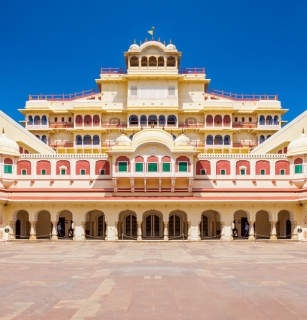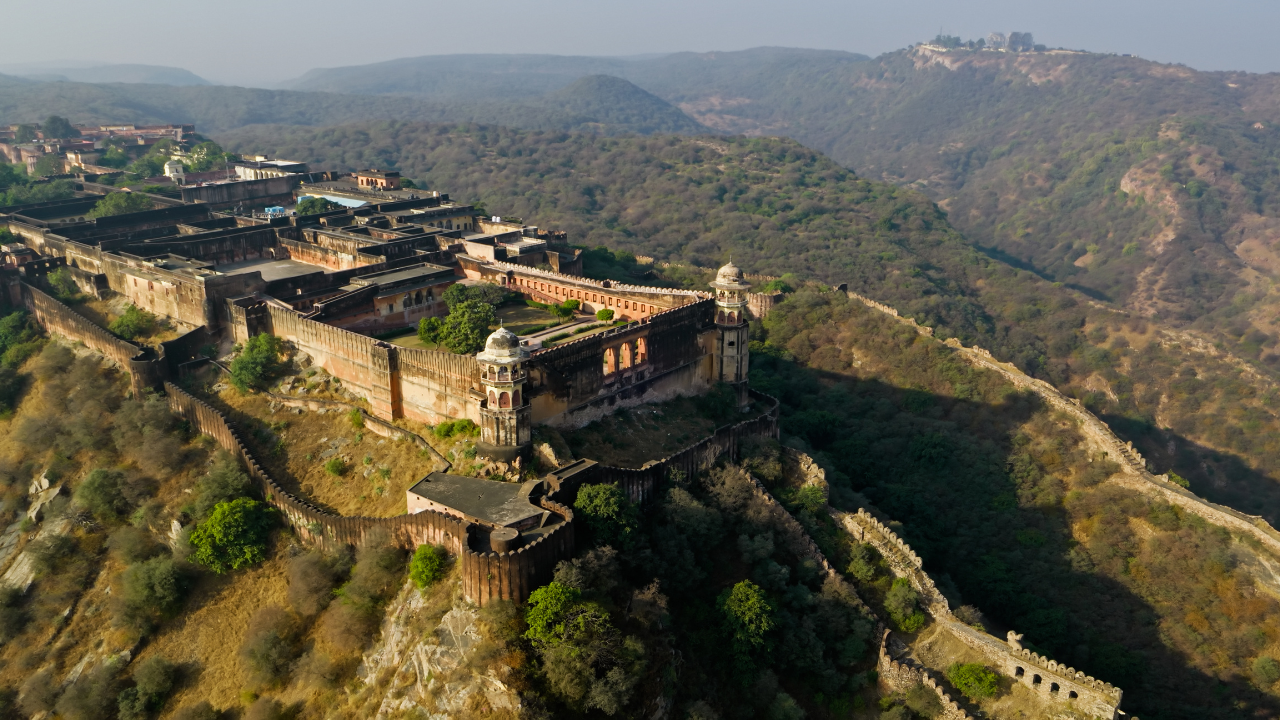
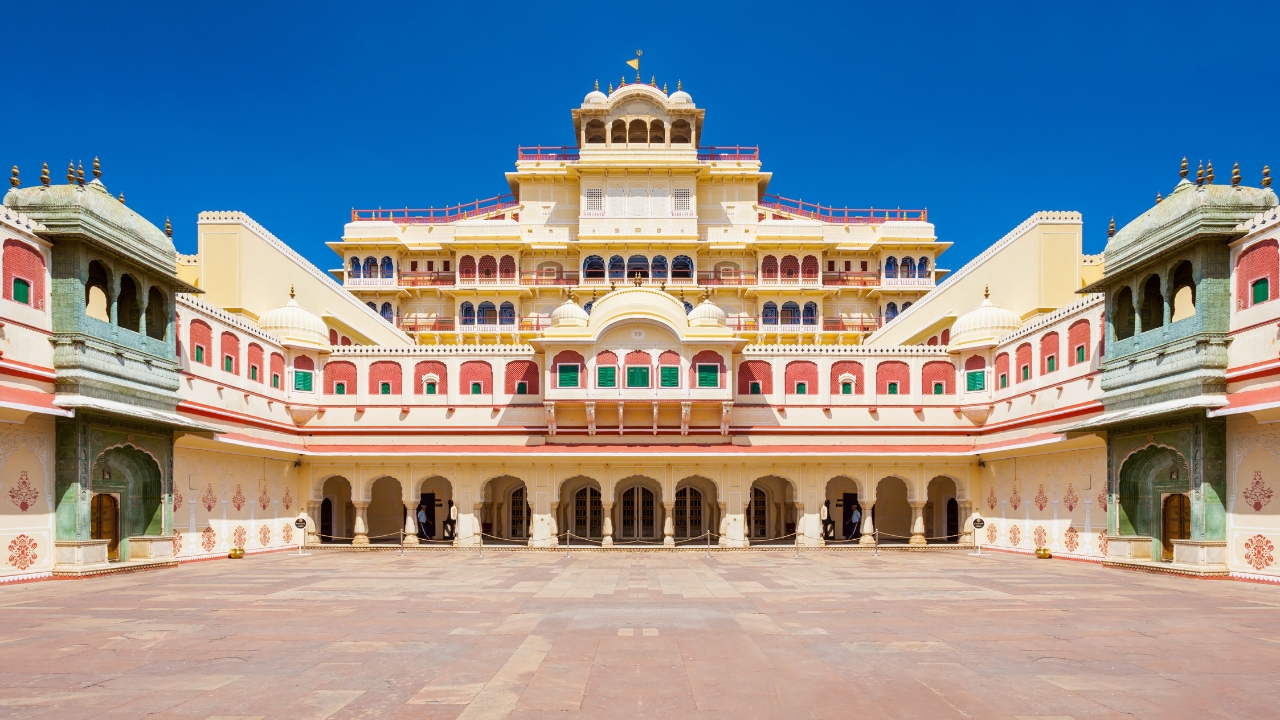
Located in the heart of Jaipur’s historic Pink City, City Palace Jaipur is one of the most magnificent royal landmarks in Rajasthan. Built by Maharaja Sawai Jai Singh II, the founder of Jaipur, this grand palace complex showcases a beautiful blend of Rajput, Mughal, and European architectural styles.
A visit to the City Palace Jaipur Tour offers travelers an opportunity to explore royal courtyards, historic museums, elegant gates, and centuries-old artifacts that reflect the grandeur of Rajasthan’s royal heritage. The palace remains one of the most visited attractions in Jaipur and serves as a symbol of the city’s rich cultural legacy.
Whether you are a history enthusiast, architecture lover, photographer, or cultural explorer, the City Palace Tour Package promises an unforgettable experience filled with royal charm and historical significance.
Planning to explore Jaipur’s royal heritage? Our City Palace Jaipur Tour Packages are designed to help travelers discover one of Rajasthan’s most iconic attractions while enjoying a comfortable and memorable sightseeing experience.
| Information | Details |
| Location | Old City, Jaipur, Rajasthan |
| Built By | Maharaja Sawai Jai Singh II |
| Built In | 1727–1732 |
| Famous For | Royal Architecture, Museums & Heritage |
| Timings | 9:30 AM to 5:00 PM |
| Time Required | 2–3 Hours |
| Best Time to Visit | October to March |
| Nearest Attraction | Jantar Mantar |
| Ideal For | Families, Couples, History Lovers, Photographers |
City Palace Jaipur is more than just a historic monument. It is a living heritage site that continues to preserve the traditions and royal legacy of Jaipur’s former rulers.
The palace complex is renowned for its stunning courtyards, intricately designed gateways, royal museums, and impressive architecture. Visitors can admire beautiful marble structures, artistic decorations, ancient weapons, royal costumes, manuscripts, and priceless artifacts that offer a glimpse into Rajasthan’s glorious past.
One of the most remarkable aspects of the palace is its blend of architectural influences. Rajput craftsmanship, Mughal elegance, and European elements come together to create a unique visual experience that attracts travelers from around the world.
The palace also provides excellent photography opportunities. From colorful courtyards and decorative arches to the world-famous Peacock Gate, every corner of City Palace Jaipur offers picture-perfect views.
For travelers exploring Jaipur, the palace serves as an essential stop that combines history, culture, art, and royal heritage under one magnificent complex.
The history of City Palace Jaipur dates back to the early 18th century when Maharaja Sawai Jai Singh II established Jaipur as the new capital of his kingdom.
Construction of the palace began shortly after the city was founded in 1727. Designed according to traditional Indian architectural principles, the palace became the administrative and ceremonial center of the kingdom.
Over the years, successive rulers expanded and enhanced the palace complex by adding courtyards, residential quarters, audience halls, museums, and decorative structures. As a result, the palace evolved into one of the finest examples of royal architecture in India.
Even today, a portion of the palace serves as the residence of Jaipur’s royal family. This unique aspect distinguishes City Palace Jaipur from many other historical monuments, allowing visitors to witness a living royal heritage rather than a purely preserved monument.
The palace continues to represent Jaipur’s cultural identity and remains one of Rajasthan’s most treasured landmarks.
Chandra Mahal
Chandra Mahal is the most prominent structure within the palace complex. This seven-story building serves as the residence of Jaipur’s royal family and showcases elegant architecture, luxurious interiors, and historical significance.
Visitors can admire the exterior beauty of the palace, while special access tickets may allow entry to selected areas under guided tours.
Mubarak Mahal
Mubarak Mahal, also known as the Welcome Palace, was originally built to receive distinguished guests and foreign dignitaries.
Today, the building houses an impressive textile museum displaying royal garments, traditional costumes, and exquisite fabrics that highlight Rajasthan’s rich textile heritage.
Diwan-e-Khas
Diwan-e-Khas, or the Hall of Private Audience, was used by the Maharajas to host important guests and private meetings.
The hall is famous for housing two giant silver urns recognized among the largest silver vessels in the world.
Diwan-e-Aam
Diwan-e-Aam served as the Hall of Public Audience where rulers addressed citizens and conducted official ceremonies.
The hall contains historical artifacts, manuscripts, and decorative displays that showcase Jaipur’s royal legacy.
Peacock Gate
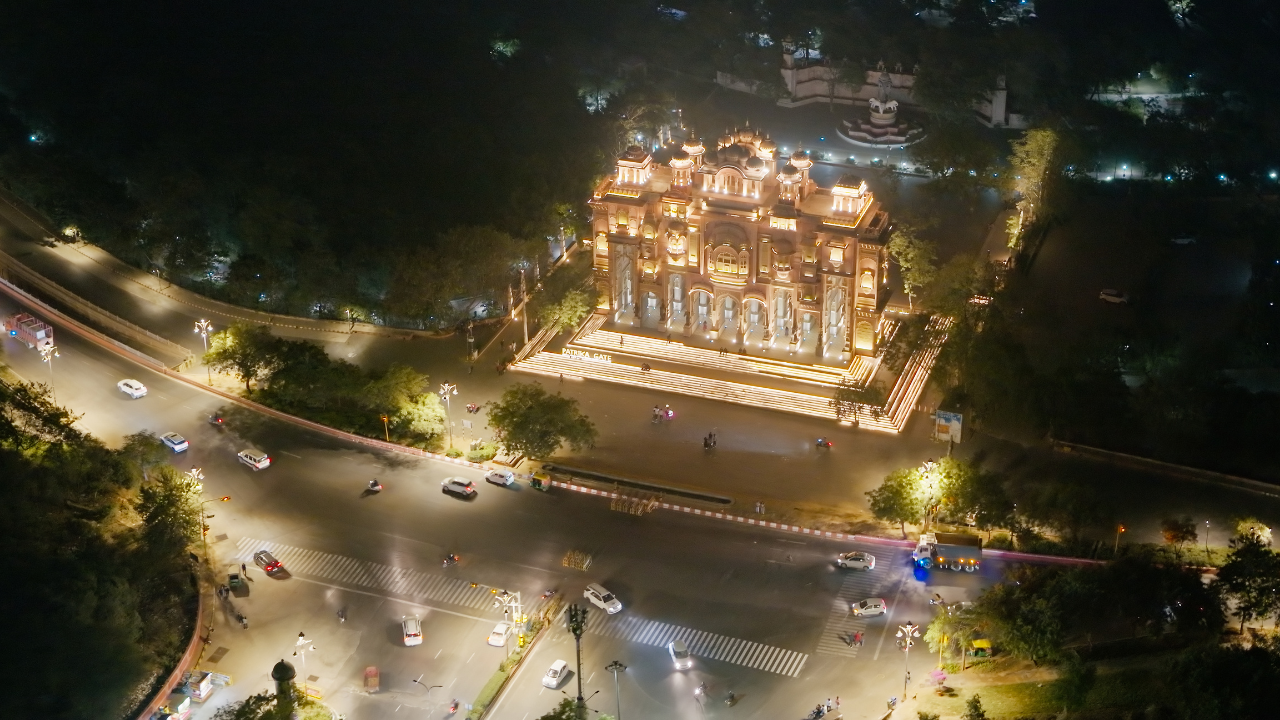
The Peacock Gate is one of the most photographed attractions within City Palace Jaipur.
Known for its vibrant colors and intricate artwork, the gate symbolizes autumn and represents the artistic excellence of traditional Rajasthani craftsmanship.
Maharani Palace
The Maharani Palace has been transformed into a museum displaying royal weapons, historical artifacts, and valuable collections associated with Jaipur’s royal family.
History enthusiasts often consider this section one of the most fascinating areas of the palace complex.
The museum section of City Palace Jaipur offers visitors an exceptional collection of royal treasures.
Highlights include:
These exhibits provide valuable insight into the lifestyle, traditions, and governance of Jaipur’s former rulers.
Visitors can explore the palace throughout the year.
Opening Hours
The latest City Palace Jaipur Timings may vary during special events, festivals, or maintenance activities, so checking updated information before your visit is recommended.
Ticket prices may vary depending on visitor category and access options.
Typical ticket categories include:
For the latest ticket prices and exclusive guided experiences, visitors should check current information before planning their trip.
The ideal time to visit City Palace Jaipur is between October and March when Jaipur experiences pleasant weather and comfortable sightseeing conditions.
Winter Season (October to March)
Monsoon Season (July to September)
Summer Season (April to June)
Explore the Royal Museums
Discover historical collections, royal costumes, paintings, manuscripts, and artifacts.
Photograph the Peacock Gate
Capture one of Jaipur’s most iconic architectural masterpieces.
Learn About Rajasthan’s Royal History
Explore the stories and traditions of Jaipur’s former rulers.
Admire Architectural Details
Observe the beautiful fusion of Rajput, Mughal, and European design elements.
Join a Guided Tour
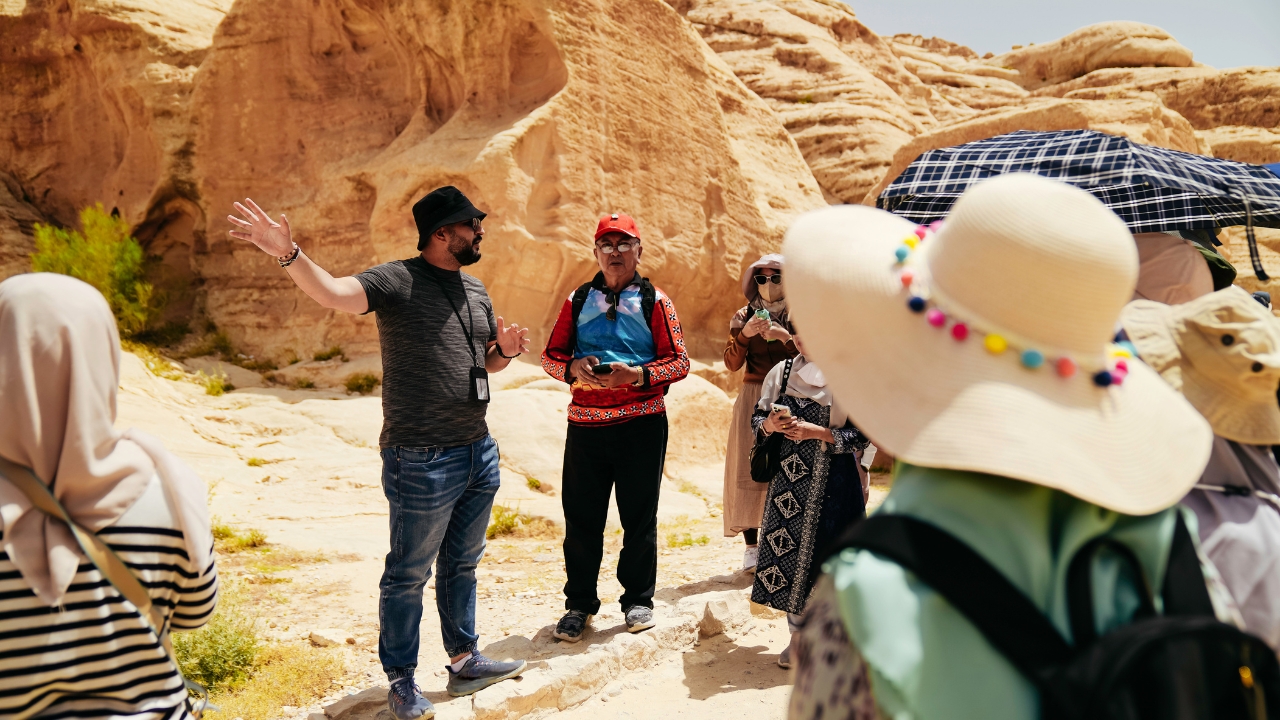
Gain deeper insights through a City Palace Jaipur Tour and understand the palace’s history and cultural significance.
Visit the Courtyards and Galleries
Experience the grandeur of Rajasthan’s royal lifestyle.
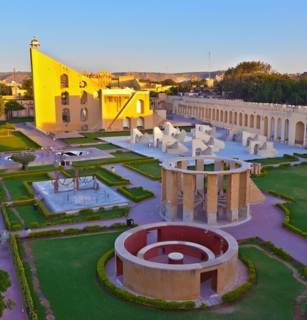
Jantar Mantar
Located adjacent to City Palace Jaipur, Jantar Mantar is a UNESCO World Heritage Site featuring fascinating astronomical instruments.
Hawa Mahal
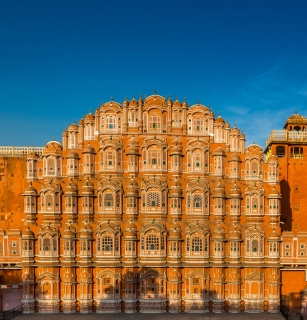
One of Jaipur’s most famous landmarks, Hawa Mahal is just a short distance from the palace complex and offers incredible architectural beauty.
Johari Bazaar
A popular shopping destination known for gemstones, jewelry, handicrafts, and traditional Rajasthani products.
Tripolia Bazaar
Famous for traditional bangles, textiles, and local handicrafts.
Govind Dev Ji Temple
A revered Hindu temple attracting devotees and visitors throughout the year.
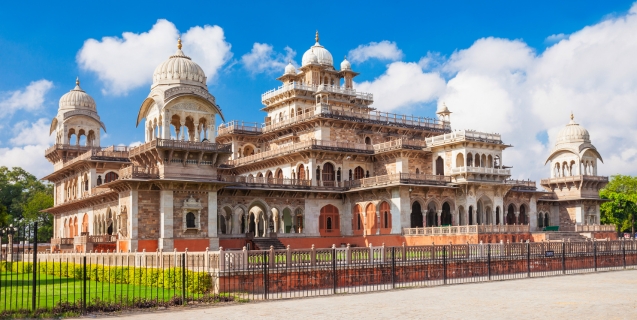
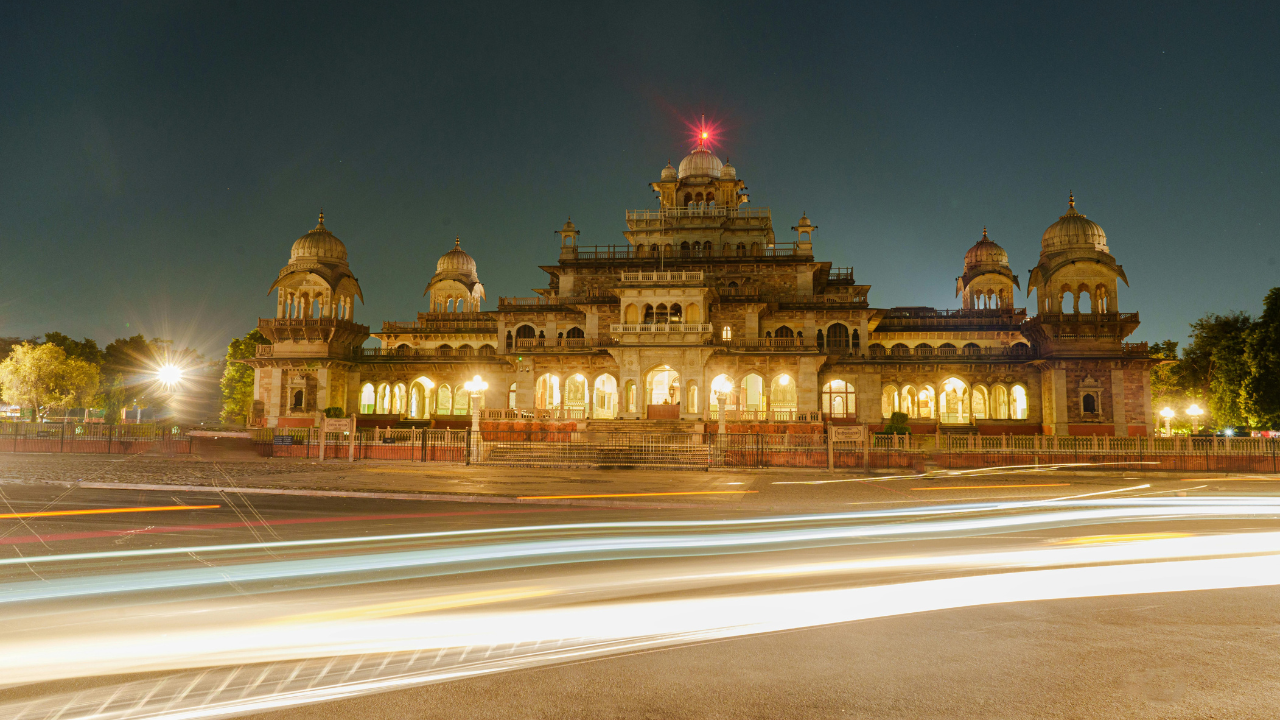
Albert Hall Museum
An excellent destination for travelers interested in history, art, and culture.
Yes, City Palace Jaipur is undoubtedly one of the most worthwhile attractions in Rajasthan.
The palace offers a unique combination of royal heritage, architectural beauty, cultural significance, and historical importance. Visitors can explore museums, courtyards, audience halls, decorative gates, and royal collections while learning about Jaipur’s fascinating history.
Its central location also makes it easy to combine with nearby attractions such as Hawa Mahal, Jantar Mantar, and Johari Bazaar, creating a complete Jaipur sightseeing experience.
City Palace Jaipur is famous for its royal architecture, museums, courtyards, historical artifacts, and the residence of Jaipur’s royal family.
Most visitors spend between 2 and 3 hours exploring the palace complex.
The palace is generally open daily from 9:30 AM to 5:00 PM.
Photography is permitted in many areas, though certain sections may have restrictions.
The winter season from October to March is considered the best time for sightseeing.
Access to selected sections of Chandra Mahal may be available through special guided tours.
Yes, the palace is suitable for families, couples, students, and history enthusiasts.
The Peacock Gate is the most famous and photographed gate within the palace complex.
Yes, it is one of the most important attractions included in most sightseeing itineraries and City Palace Jaipur Tour Packages.
Visitors can explore Hawa Mahal, Jantar Mantar, Johari Bazaar, Govind Dev Ji Temple, and Albert Hall Museum nearby.
Discover the royal grandeur of Rajasthan with a memorable City Palace Jaipur Tour. Explore magnificent architecture, royal museums, historic courtyards, and centuries of fascinating history while experiencing one of Jaipur’s most iconic attractions.
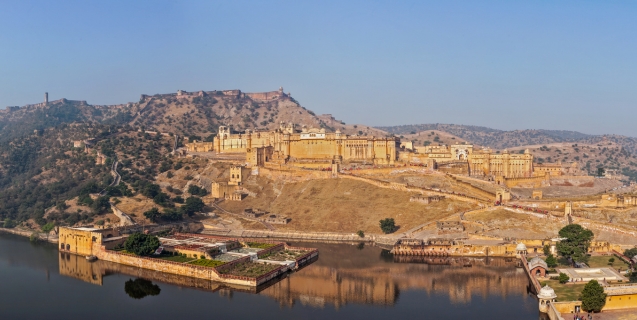
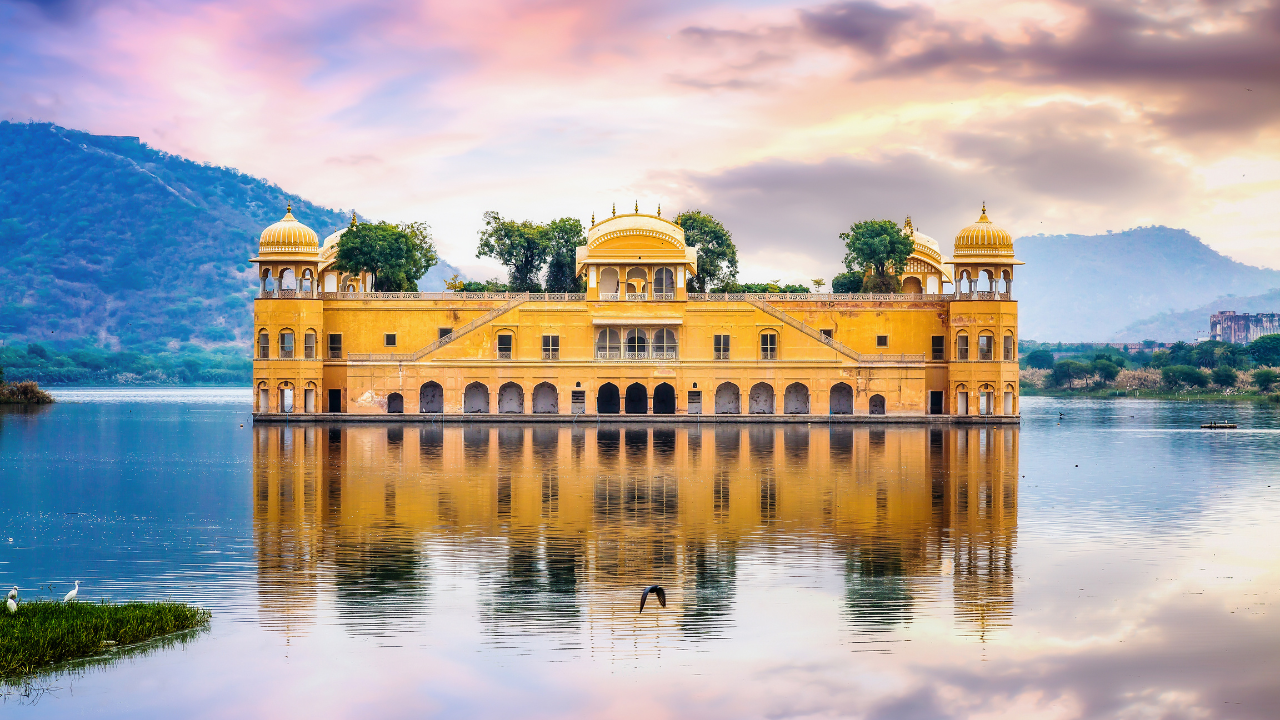
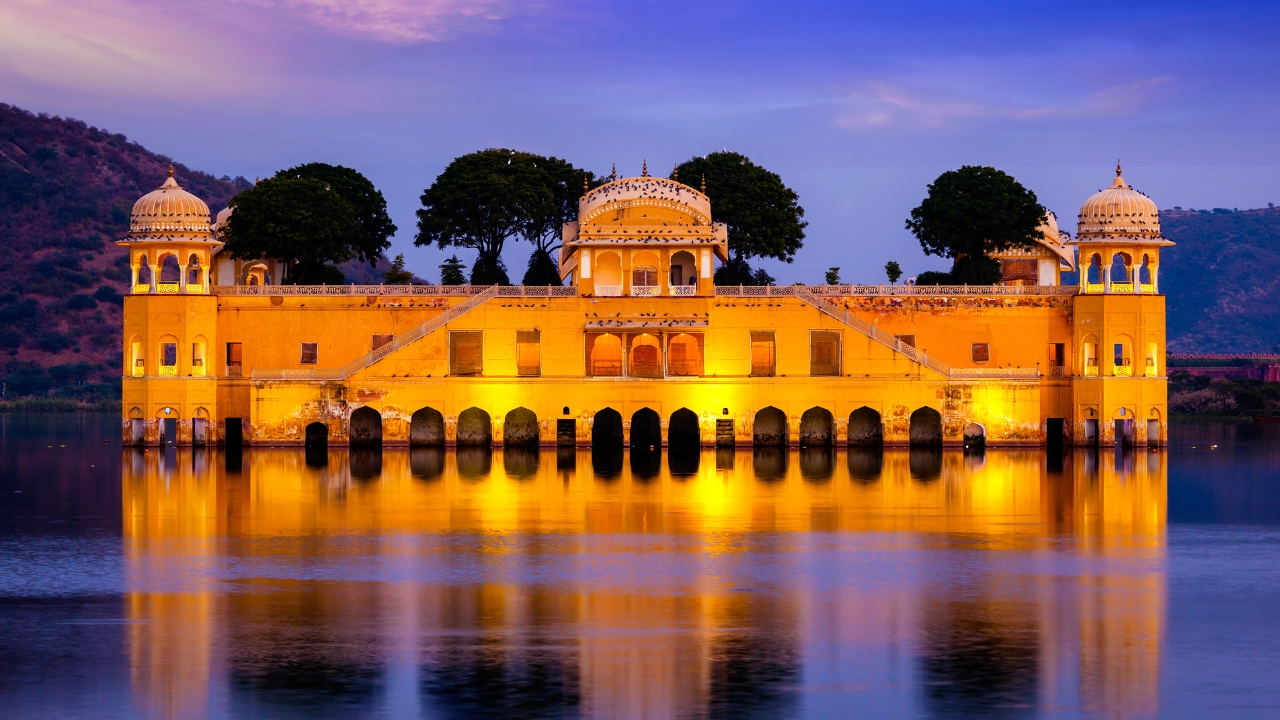
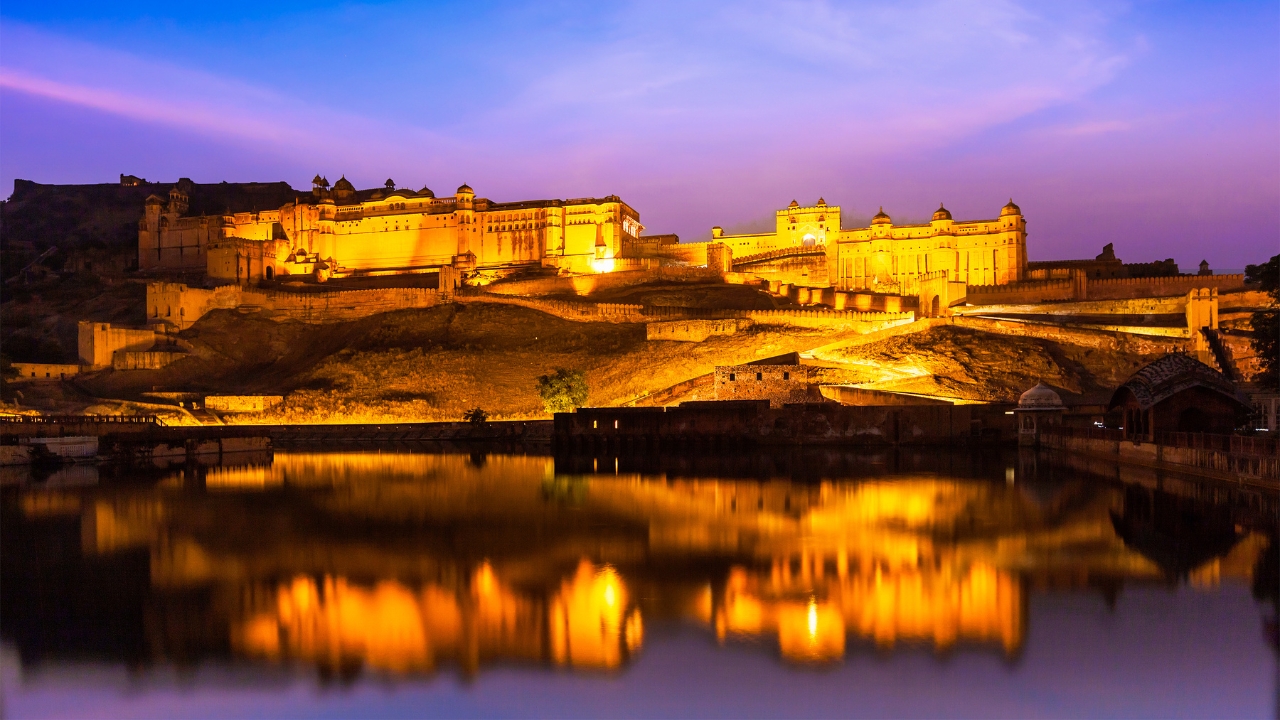
For travelers seeking a complete sightseeing experience, our City Palace Jaipur Tour Packages can be combined with visits to Amber Fort, Hawa Mahal, Jantar Mantar, Jal Mahal, and other famous attractions of the Pink City.
Whether you are looking for a guided heritage experience or a customized City Palace Tour Package, Jaipur Tour Planner can help you create the perfect itinerary.
Explore Jaipur’s top attractions in a single day with our Jaipur One Day Tour Package, covering iconic landmarks, heritage sites, and cultural experiences for a memorable sightseeing journey.
2 Days Tour

3 Days Tour
One Day Tour
Day Tour
One Day Tour
One Day Tour
One Day Tour