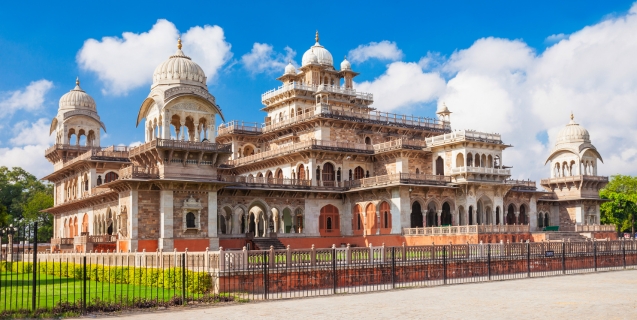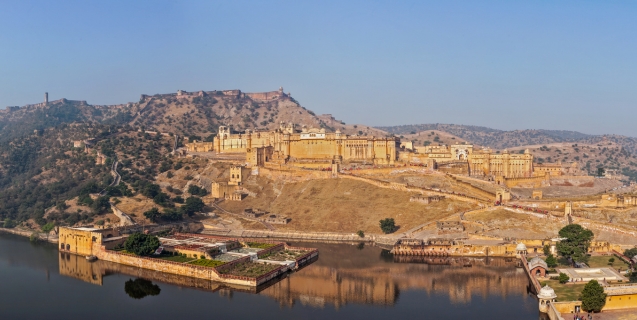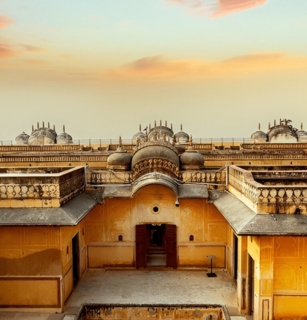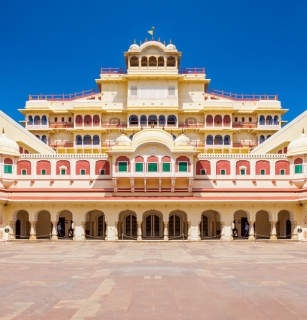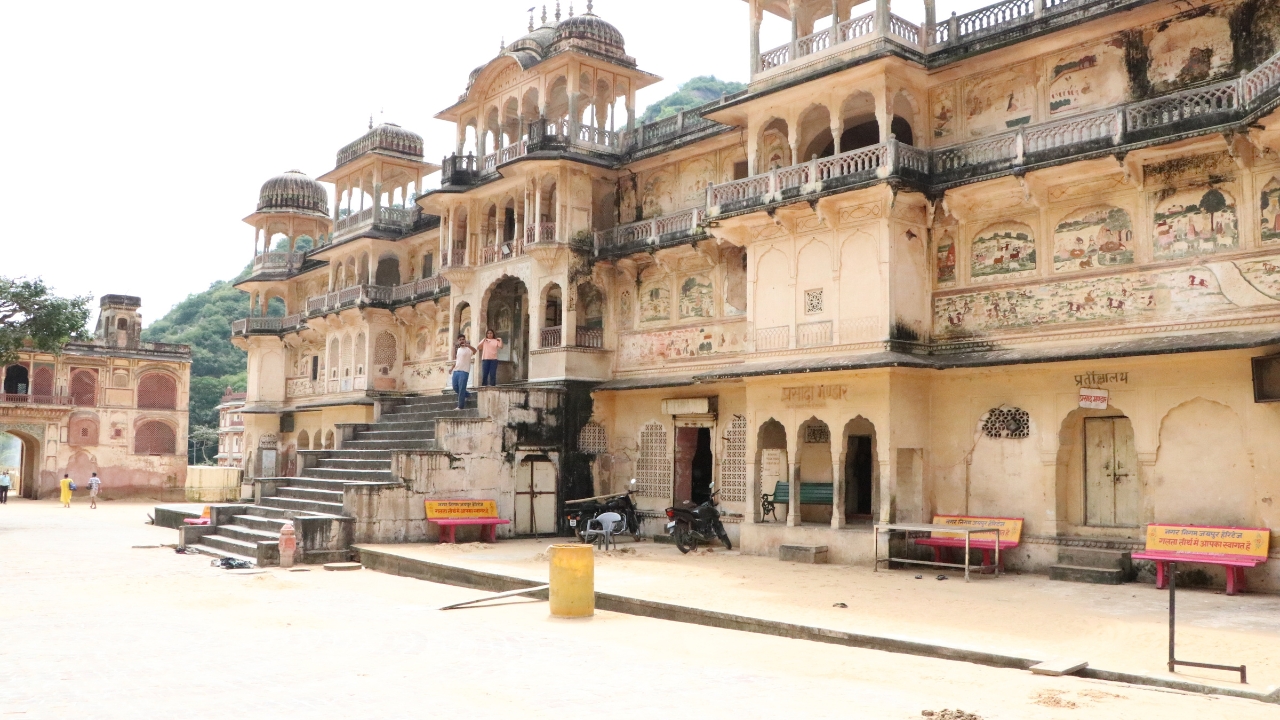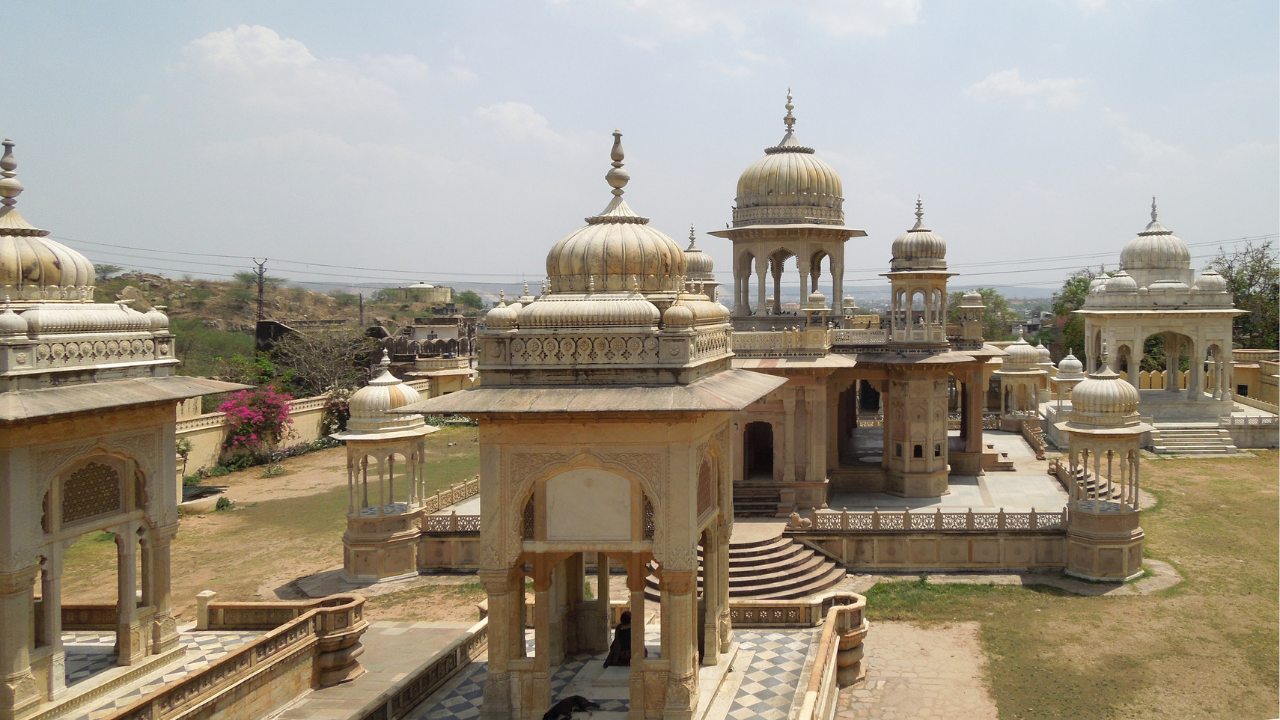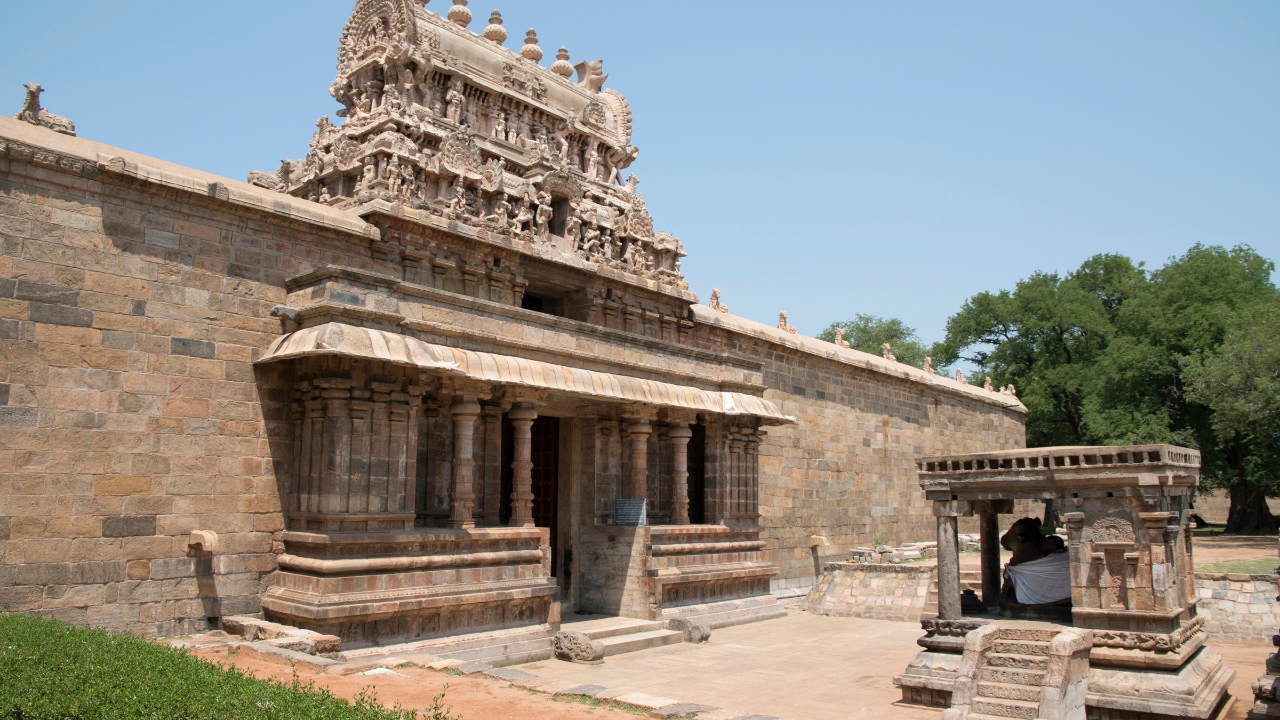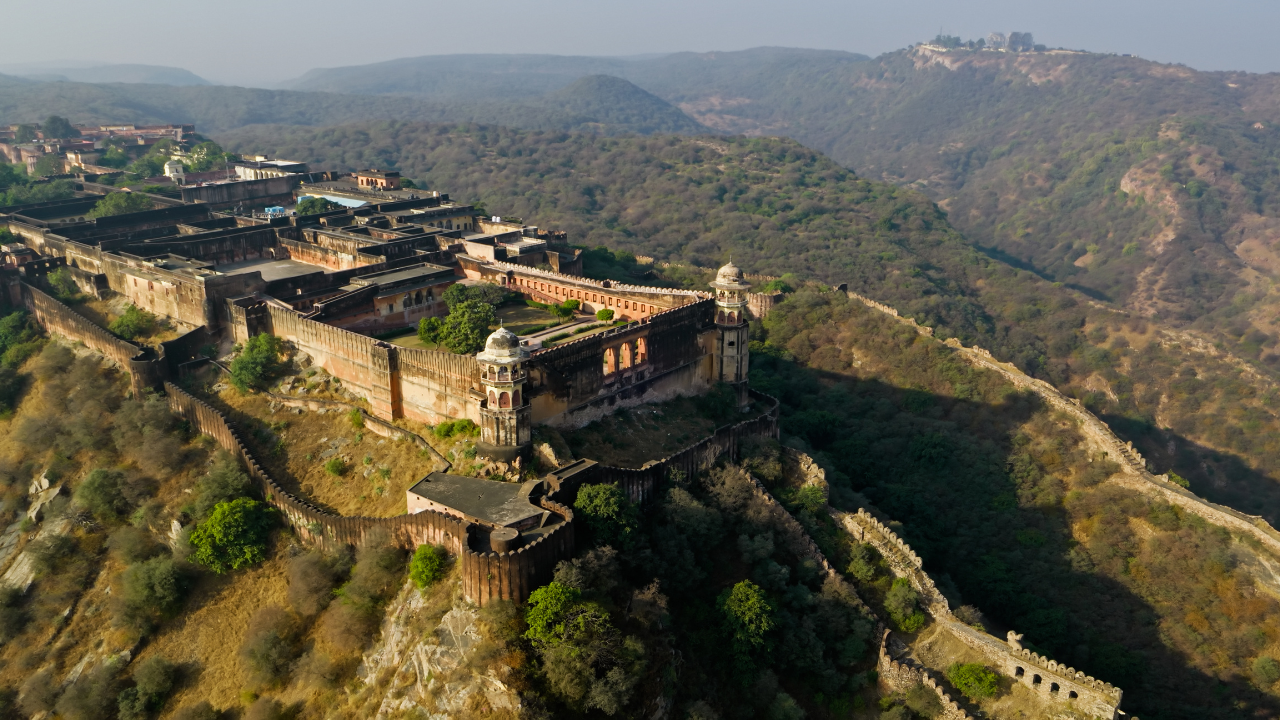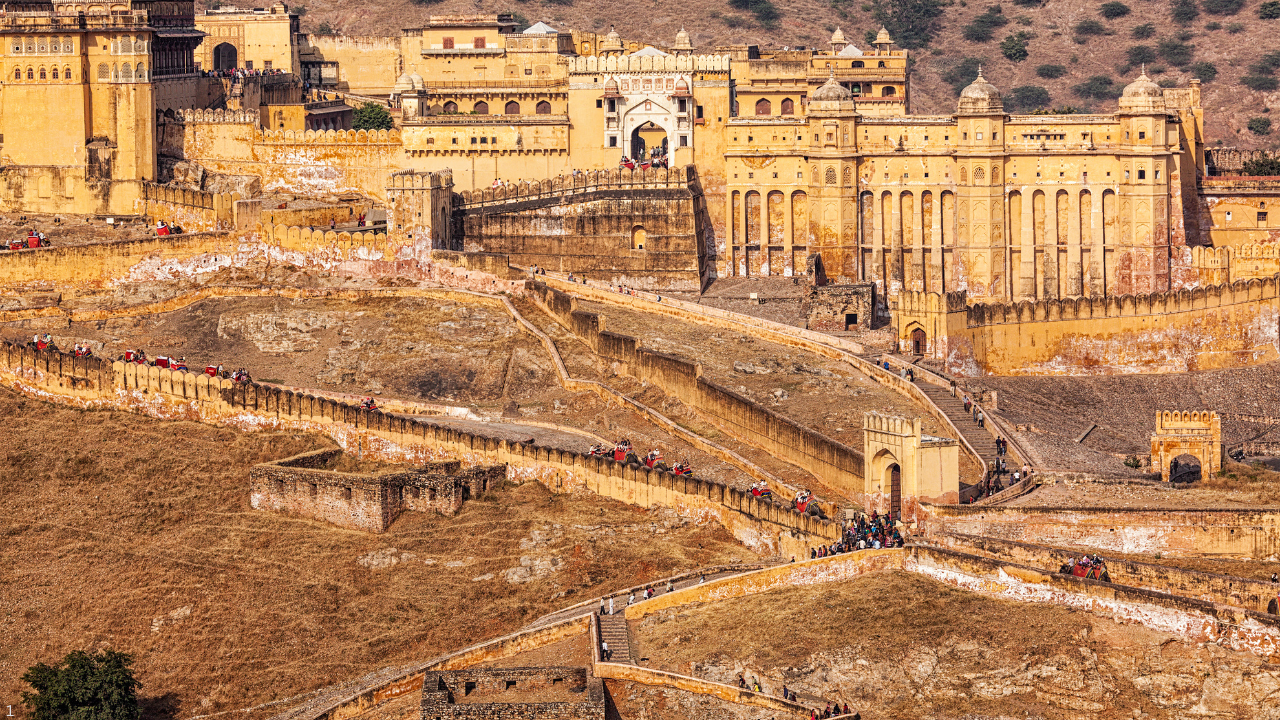
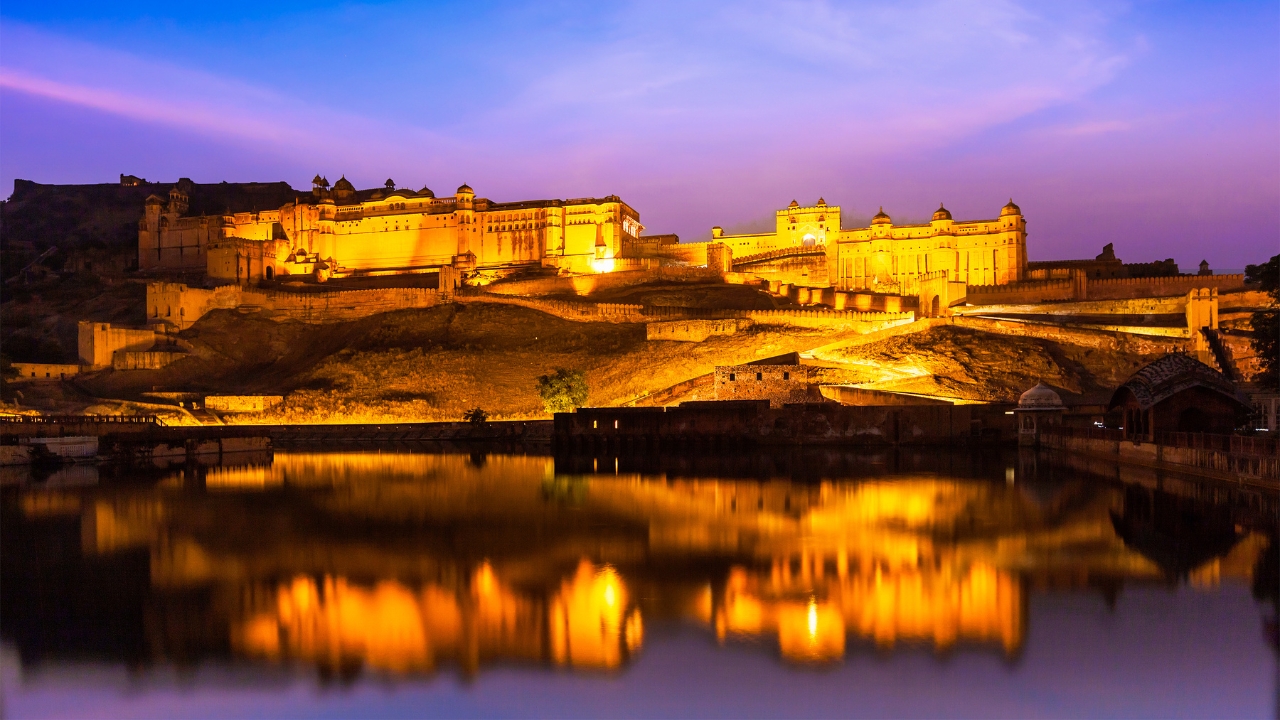
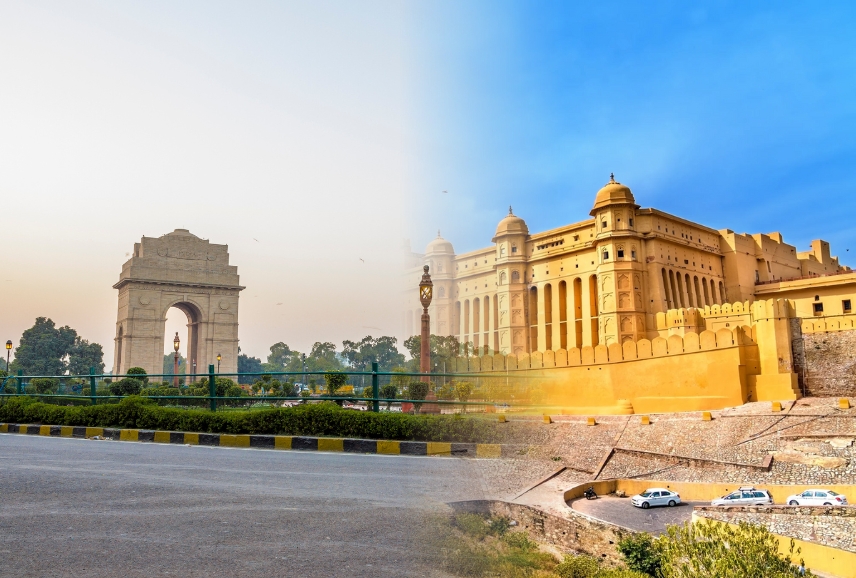
Standing proudly atop the rugged Aravalli Hills, Amber Fort is one of Rajasthan’s most magnificent architectural wonders and among the most visited attractions in Jaipur. Known for its grand courtyards, majestic palaces, intricate mirror work, artistic gateways, and breathtaking views of Maota Lake, the fort represents the glorious legacy of Rajput rulers.
Built using red sandstone and marble, Amber Fort beautifully combines Rajput and Mughal architectural influences. Every corridor, palace, courtyard, and decorative element reflects the craftsmanship, cultural richness, and royal lifestyle of Rajasthan’s former rulers.
A visit to Amber Fort offers travelers the opportunity to explore centuries of history, admire remarkable architecture, discover fascinating stories of Rajput kings, and experience one of India’s most celebrated heritage destinations.
Whether you are a history enthusiast, architecture lover, photographer, family traveler, or cultural explorer, Amber Fort remains a must-visit destination during any Jaipur trip.
| Information | Details |
|---|---|
| Location | Amer, Jaipur, Rajasthan |
| Built By | Raja Man Singh I |
| Established | 1592 |
| UNESCO Status | Hill Forts of Rajasthan |
| Famous For | Rajput Architecture & Sheesh Mahal |
| Time Required | 2–4 Hours |
| Best Time to Visit | October to March |
| Ideal For | Families, Couples, History Lovers |
Amber Fort is not simply a historical monument; it is one of the finest examples of royal architecture in India.
The fort complex features grand audience halls, royal residences, beautifully designed gardens, hidden passages, decorative courtyards, and artistic structures that showcase centuries of Rajput heritage.
Visitors can walk through magnificent gateways, admire intricate carvings, explore royal chambers, and witness architectural brilliance that continues to impress travelers from around the world.
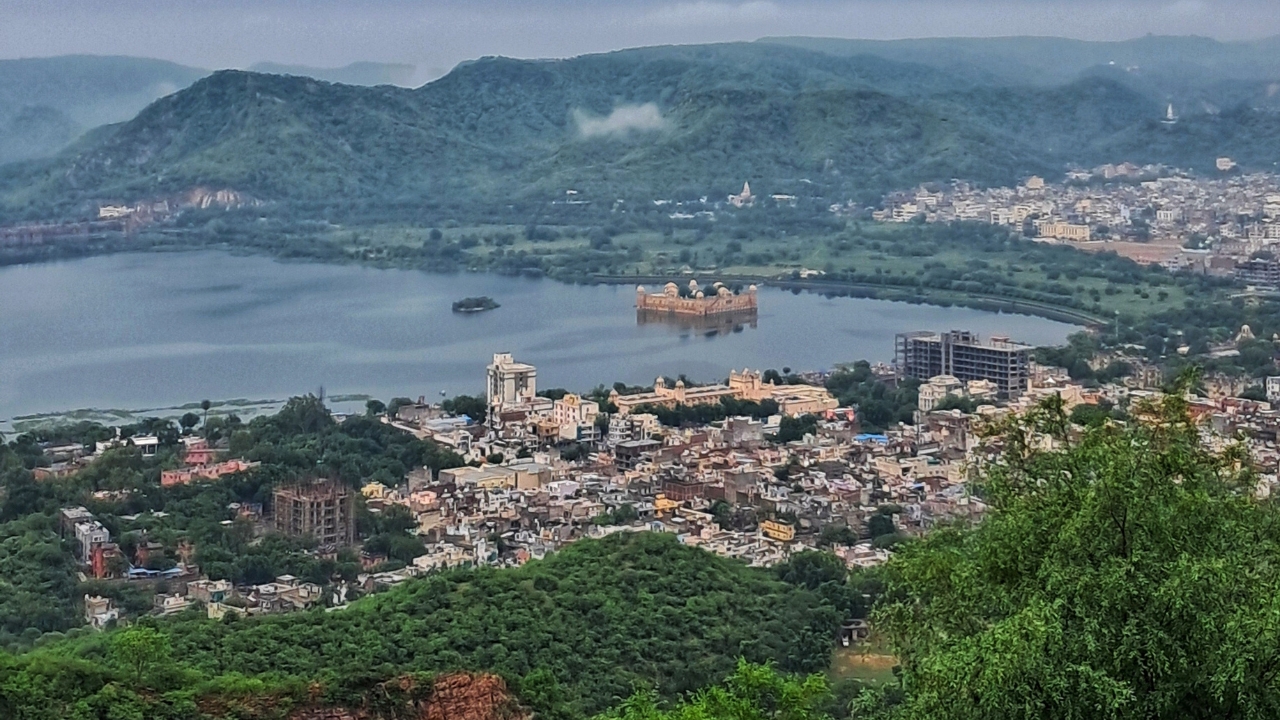
One of the most unique aspects of Amber Fort is its hilltop location. The panoramic views of Maota Lake, surrounding hills, and the historic town of Amer create an unforgettable sightseeing experience.
The fort also offers exceptional photography opportunities, making it one of Jaipur’s most photographed landmarks.
The history of Amber Fort dates back to the 16th century when Raja Man Singh I, one of Emperor Akbar’s most trusted generals, commissioned the construction of the fort.
Over the years, successive rulers expanded the complex by adding palaces, halls, gardens, temples, and defensive structures.
Amber served as the capital of the Kachwaha Rajputs before Jaipur was founded by Maharaja Sawai Jai Singh II in 1727.
The fort was strategically designed to provide both security and luxury. While its outer walls and defensive structures protected the kingdom, the interior palaces reflected the grandeur and sophistication of royal life.
Today, Amber Fort stands as one of Rajasthan’s most important heritage sites and attracts millions of visitors annually.
The Sun Gate serves as the main entrance to the fort and welcomes visitors into the royal complex.
Its impressive architecture and strategic design highlight the grandeur of Rajput military planning.
This large courtyard was historically used for military parades and royal gatherings.
Today, it serves as the first major area visitors encounter inside the fort.
Dedicated to Goddess Shila Devi, this temple remains one of the fort’s most important spiritual sites.
Many visitors stop here to seek blessings before exploring the palace complex.
The Hall of Public Audience was used by rulers to address citizens and hear public matters.
Its elegant columns and open design make it one of the fort’s most significant architectural features.
Ganesh Pol is among the most beautiful gateways in Amber Fort.
Decorated with colorful paintings and intricate designs, it serves as the entrance to the private royal chambers.
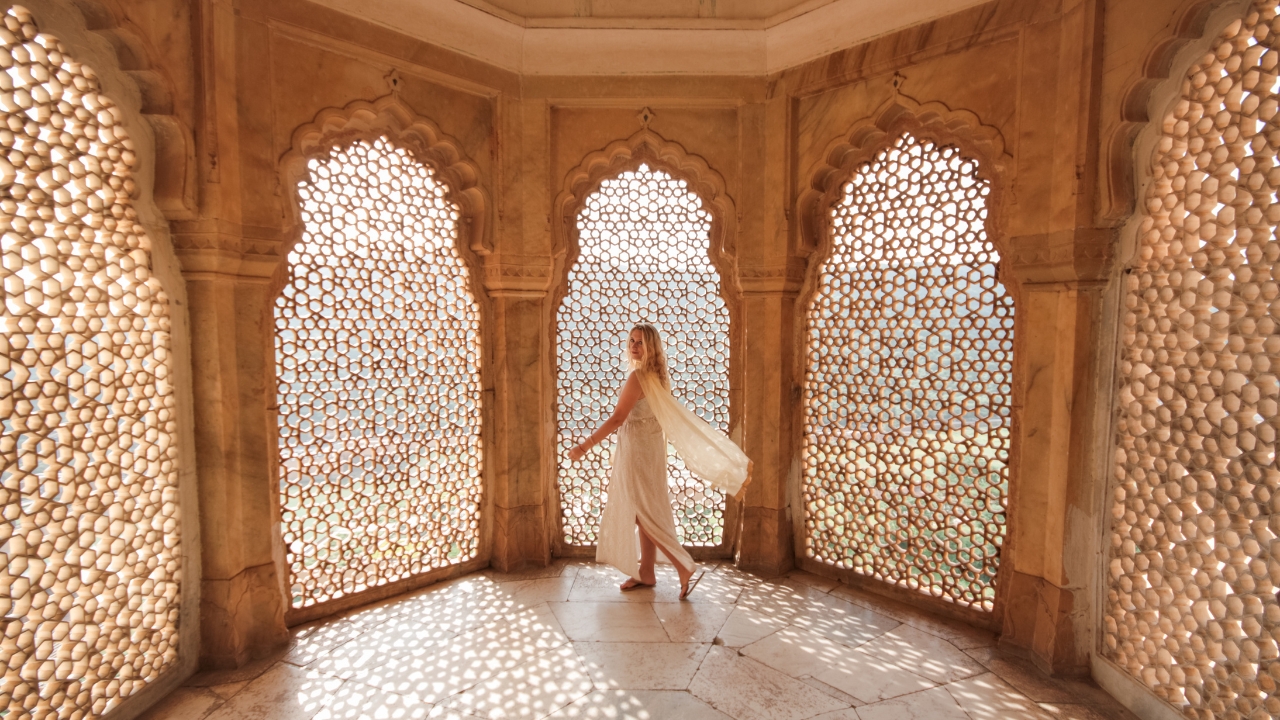
The Mirror Palace is the most famous attraction within Amber Fort.
Thousands of tiny mirrors embedded in the walls and ceilings create a magical visual effect when illuminated.
It remains one of the most photographed sections of the fort.
Sukh Niwas showcases an ancient cooling system where water channels helped keep royal chambers comfortable during summer months.
The innovative design demonstrates the engineering excellence of Rajput architecture.
Amber Fort represents a remarkable fusion of Rajput and Mughal architectural traditions.
Key features include:
Every section of the fort reflects exceptional craftsmanship and attention to detail.
Visitors can explore Amber Fort throughout the year.
Visitors are encouraged to arrive early to avoid crowds and enjoy comfortable sightseeing conditions.
Entry fees may vary depending on visitor category and government regulations.
Categories generally include:
Travelers should verify the latest ticket information before their visit.
The winter season offers pleasant temperatures and ideal sightseeing conditions.
Early mornings provide cooler weather and excellent photography opportunities.
The fort appears especially beautiful during sunset when golden light illuminates its sandstone structures.
Witness one of Rajasthan’s most spectacular examples of mirror work.
Photograph the fort’s most artistic gateway.
Explore the private residences and audience halls of Rajput rulers.
Understand the fascinating history of Amber and the Kachwaha dynasty.
Capture panoramic views of Maota Lake and the surrounding hills.
Experience the spiritual heritage of Amber Fort.
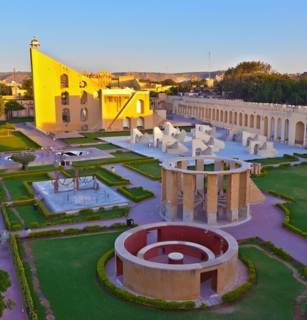
Travelers seeking a comprehensive heritage experience can choose from various amber fort tour packages that combine the fort with other major Jaipur attractions such as City Palace, Hawa Mahal, Jal Mahal, and Jantar Mantar.
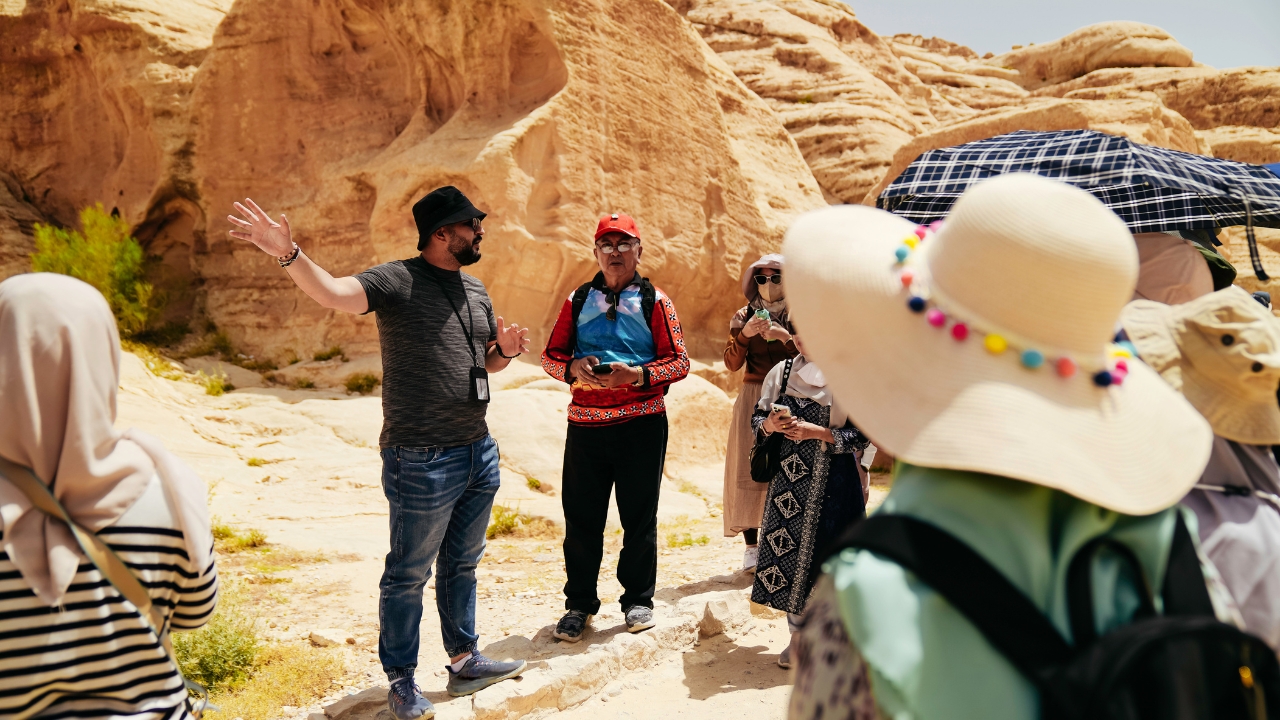
These tours provide a convenient and informative way to explore Jaipur’s royal heritage while enjoying professional guidance and comfortable transportation.
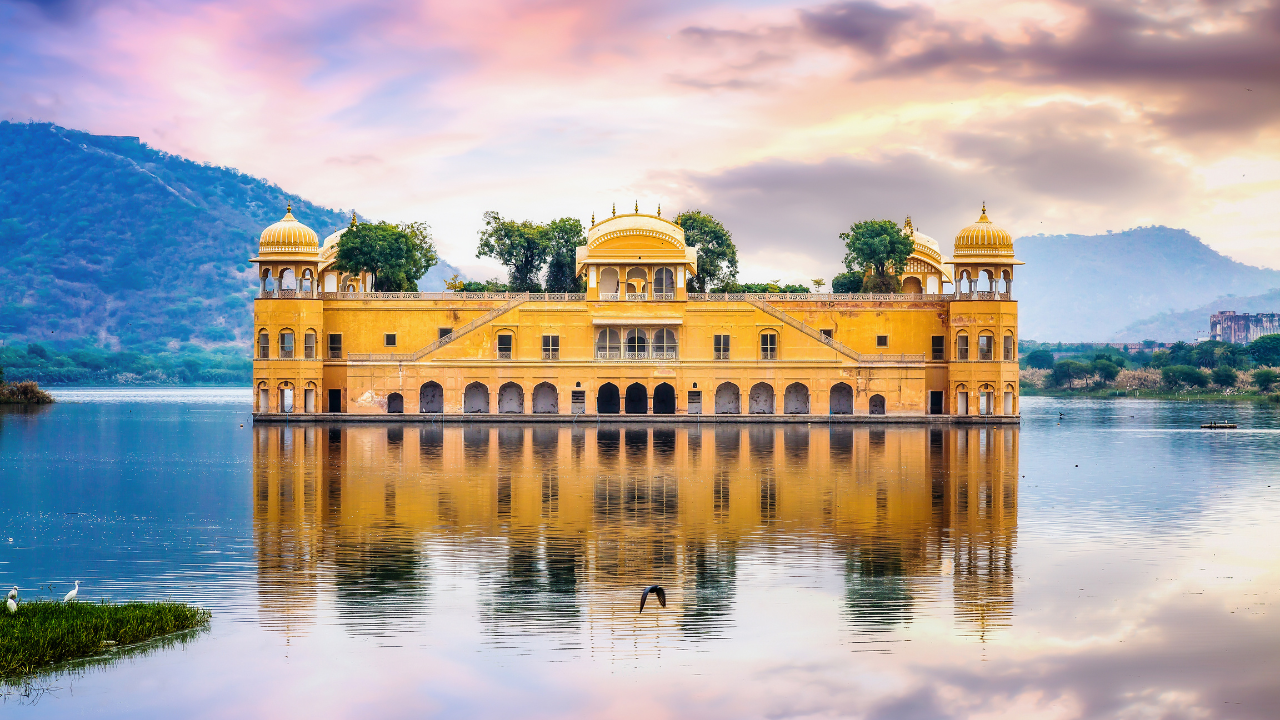
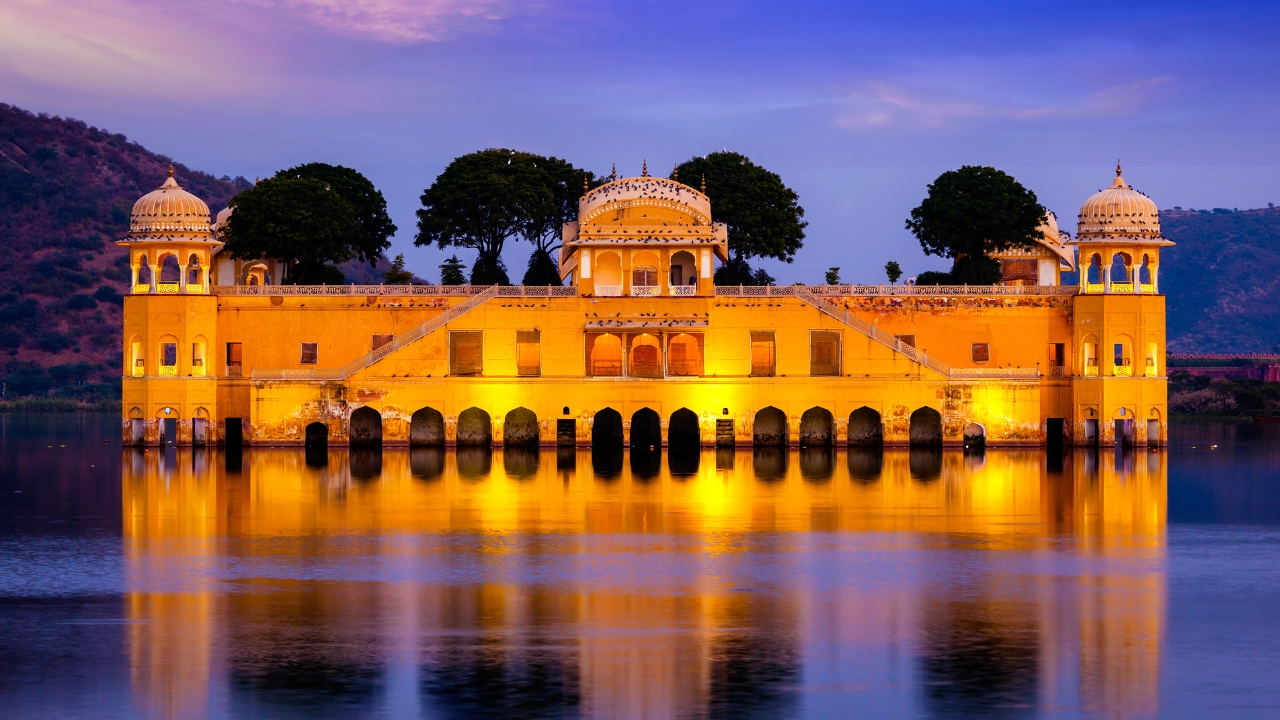
A beautiful palace situated in the middle of Man Sagar Lake.
Known for its military architecture and the famous Jaivana Cannon.
Offers stunning panoramic views of Jaipur.
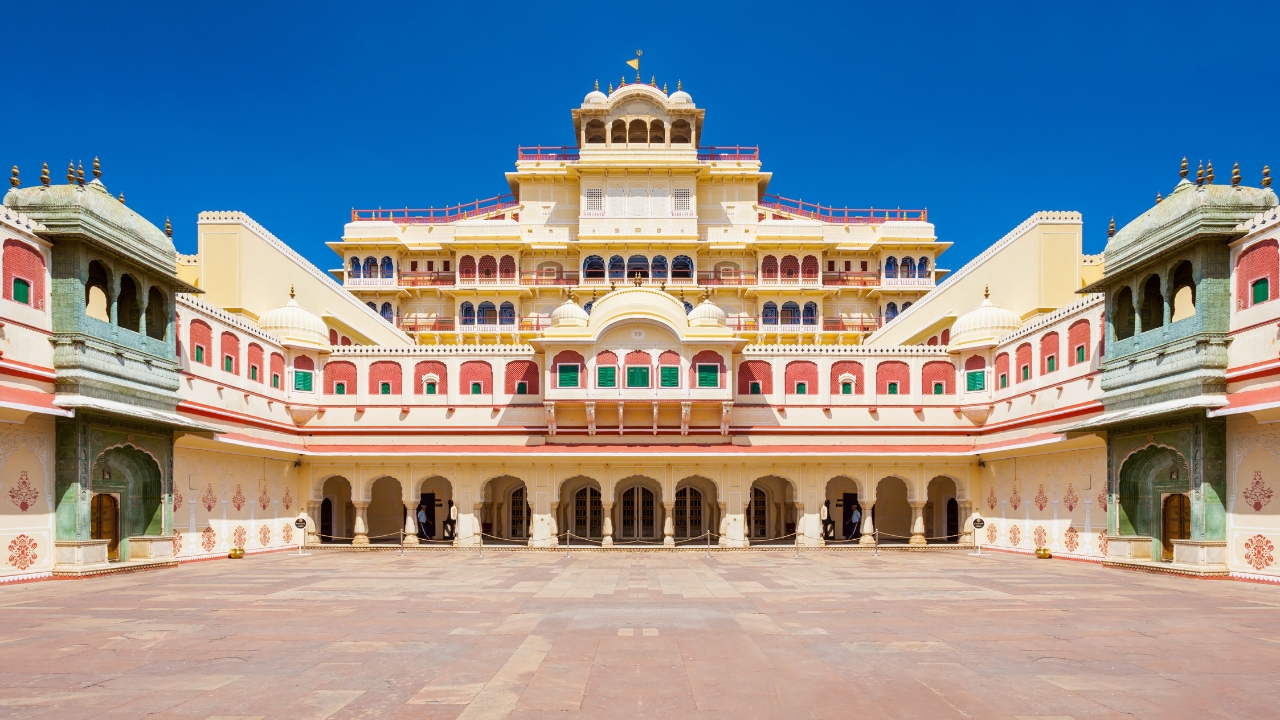
A magnificent royal residence located in the heart of Jaipur.
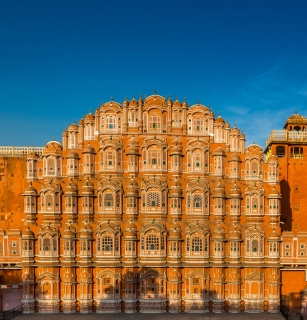
The iconic Palace of Winds and one of Jaipur’s most photographed landmarks.
Absolutely.
Amber Fort is one of Rajasthan’s most spectacular historical attractions and offers a unique combination of architecture, history, culture, engineering, and scenic beauty.
Its magnificent palaces, artistic gateways, mirror work, royal history, and UNESCO recognition make it an essential destination for anyone visiting Jaipur.
Whether you are interested in photography, heritage, architecture, or cultural experiences, Amber Fort delivers an unforgettable journey into Rajasthan’s royal past.
Amber Fort is famous for its Rajput architecture, Sheesh Mahal, Ganesh Pol, royal palaces, and UNESCO heritage status.
Raja Man Singh I commissioned the construction of Amber Fort in the late 16th century.
Most visitors spend between 2 and 4 hours exploring the fort.
Sheesh Mahal is considered the most famous attraction within the fort complex.
The fort is generally open daily from 8:00 AM to 5:30 PM.
Yes, photography is generally permitted throughout most areas of the fort.
October to March is considered the ideal season for sightseeing.
Yes, it is included in the UNESCO-listed Hill Forts of Rajasthan.
Jaigarh Fort, Nahargarh Fort, Jal Mahal, Hawa Mahal, and City Palace are nearby.
Yes, Amber Fort is included in most Jaipur sightseeing itineraries.
2 Days Tour

3 Days Tour
One Day Tour
Day Tour
One Day Tour
One Day Tour
One Day Tour