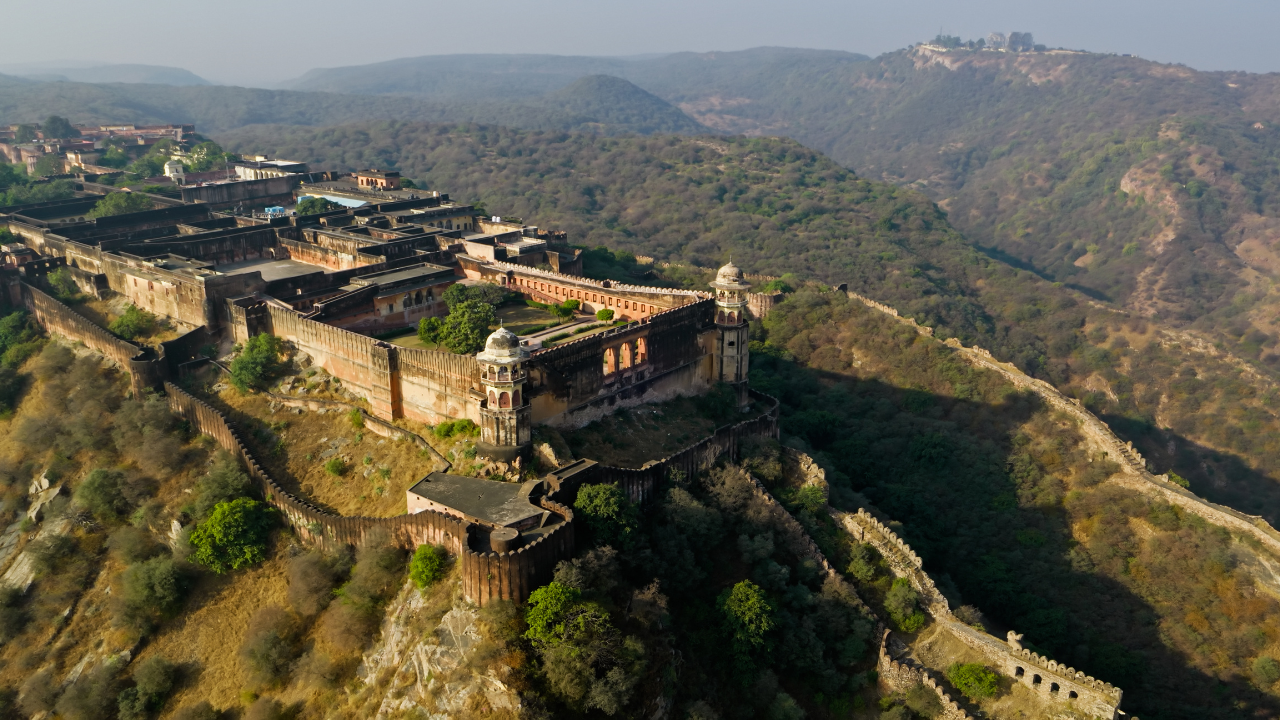
Perched high on the rugged ridges of the Aravalli Hills, Nahargarh Fort is one of Jaipur’s most spectacular historical landmarks and among the most visited attractions in Rajasthan. Offering breathtaking panoramic views of Jaipur city, majestic palace interiors, rich Rajput history, and unforgettable sunset experiences, Nahargarh Fort stands as a timeless symbol of Jaipur’s royal heritage.
Constructed in 1734 by Maharaja Sawai Jai Singh II, the founder of Jaipur, Nahargarh Fort was originally built as a defensive structure and royal retreat overlooking the newly established city. Together with Amber Fort and Jaigarh Fort, it formed a powerful defense network protecting Jaipur from potential invasions.
Today, Nahargarh Fort attracts history enthusiasts, photographers, couples, families, and travelers seeking one of the best viewpoints in Rajasthan. From royal palaces and intricate frescoes to scenic landscapes and fascinating legends, the fort offers an unforgettable journey into Jaipur’s glorious past.
| Information | Details |
|---|---|
| Location | Aravalli Hills, Jaipur |
| Built By | Maharaja Sawai Jai Singh II |
| Built In | 1734 |
| Original Name | Sudarshangarh |
| Famous For | Sunset Views & Madhavendra Bhawan |
| Architecture Style | Rajput Architecture |
| Time Required | 2–3 Hours |
| Best Time to Visit | October to March |
| Ideal For | Families, Couples, Photographers |
Nahargarh Fort is not simply another fort in Rajasthan. It offers a unique combination of history, architecture, panoramic views, royal heritage, and cultural significance.
Unlike many hill forts that focus solely on military architecture, Nahargarh Fort also served as a royal retreat where Jaipur’s rulers could escape the busy city below. The fort’s elevated position provides magnificent views of Jaipur, making it one of the city’s most popular sunset destinations.
Visitors come here to:
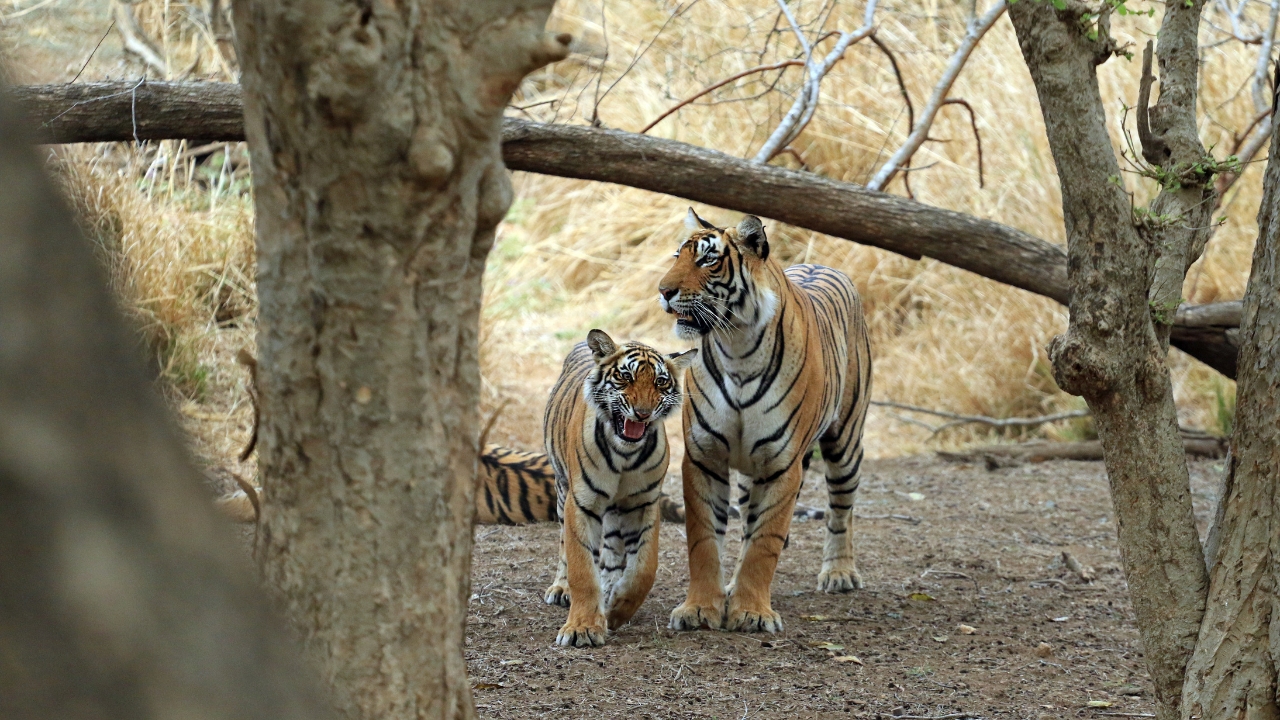
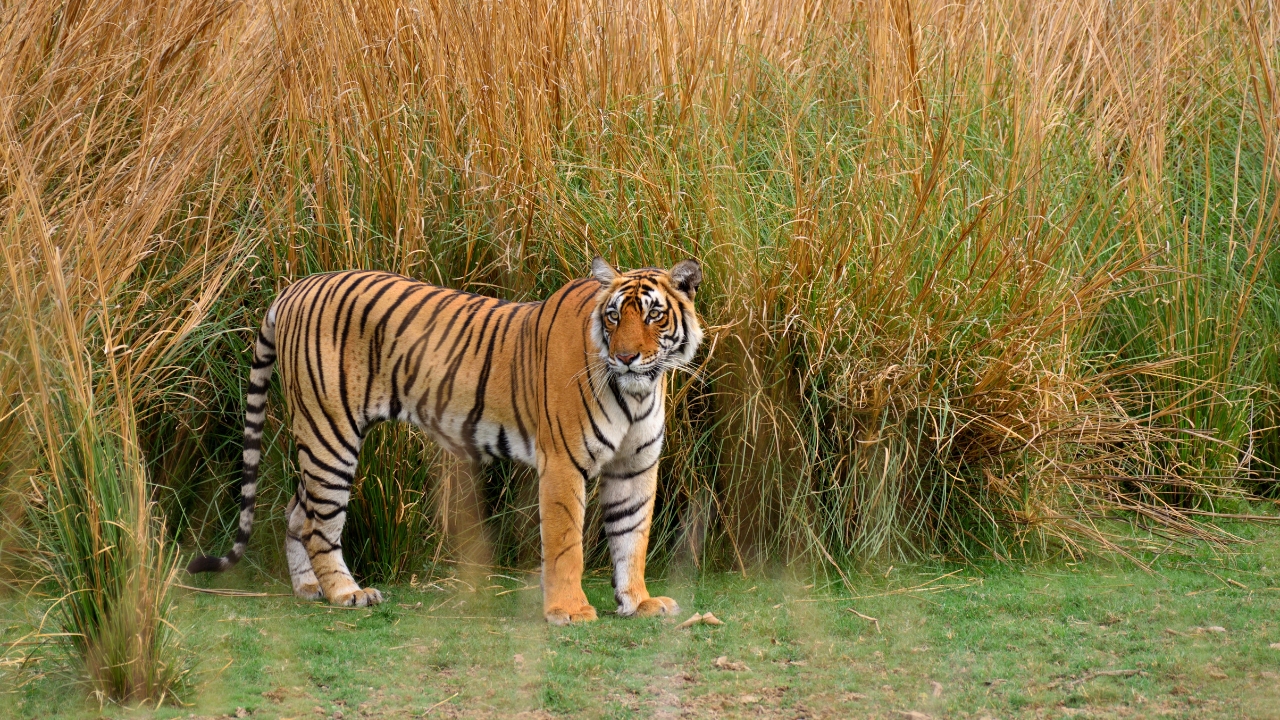
The history of Nahargarh Fort dates back to 1734 when Maharaja Sawai Jai Singh II commissioned its construction on the Aravalli Hills overlooking Jaipur. The fort was originally named Sudarshangarh but later became known as Nahargarh, meaning “Abode of Tigers.”
According to local legend, the construction of the fort was repeatedly disturbed by the spirit of Nahar Singh Bhomia, a Rathore prince who once owned the land. To appease the spirit, a temple was constructed within the fort complex, after which the fort came to be known as Nahargarh Fort.
Throughout its history, the fort played an important role in Jaipur’s defense system. Although it was never attacked directly, it witnessed several significant events including treaties with Maratha forces and the protection of European residents during the Revolt of 1857.
The fort was later expanded by Maharaja Sawai Ram Singh and Maharaja Sawai Madho Singh, who added magnificent palace structures that transformed Nahargarh into a luxurious royal retreat.
Nahargarh Fort showcases an impressive blend of military architecture and royal elegance.
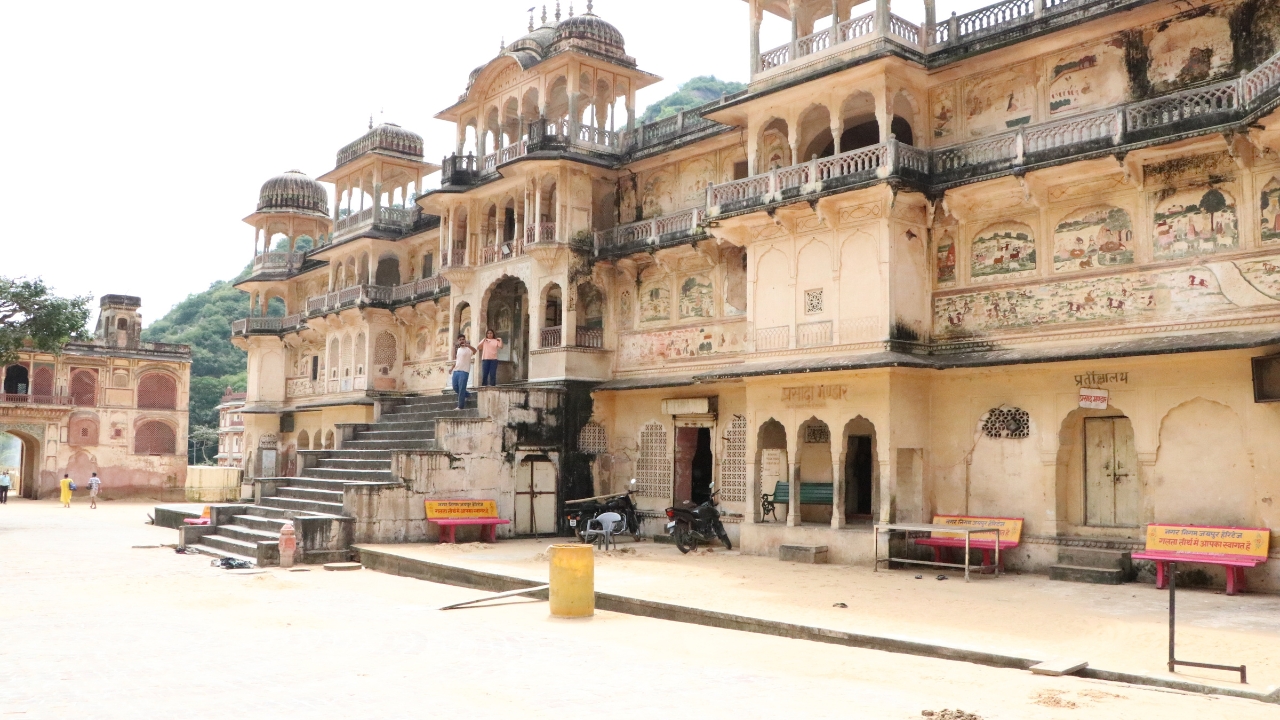
The massive walls stretch across the Aravalli Hills and connect with Jaigarh Fort, creating an extensive defensive network around Jaipur. Beyond the fortifications lie beautifully designed palaces, decorative corridors, courtyards, frescoes, and artistic details that reflect the sophistication of Rajput architecture.
The fort’s design combines practical defense mechanisms with luxurious living spaces, making it one of Rajasthan’s most unique heritage monuments.
The most famous attraction inside Nahargarh Fort is Madhavendra Bhawan.
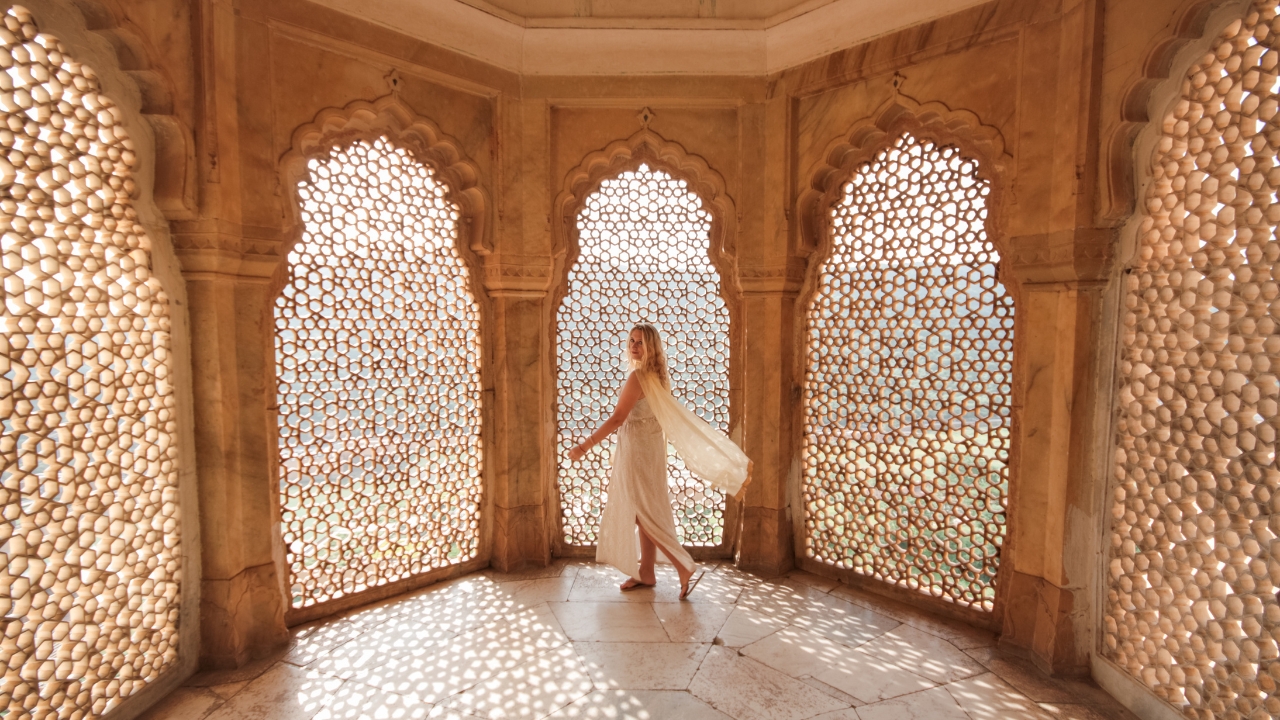
Constructed by Maharaja Sawai Madho Singh, this magnificent palace complex consists of suites built for the king and his queens. Each queen had her own apartment connected through beautifully designed corridors and decorated with frescoes, murals, and intricate artwork.
Highlights include:
The palace offers visitors a fascinating glimpse into the lifestyle of Jaipur’s royal family.
Nahargarh Fort is widely regarded as one of the best sunset points in Jaipur.
As the sun sets behind the Aravalli Hills, visitors can witness breathtaking views of Jaipur’s skyline, historic monuments, and surrounding landscapes.
Walk through royal chambers and admire the artistic details that once housed Jaipur’s royal family.
The fort provides some of the best photography opportunities in Jaipur.
Popular photo spots include:
The fort offers valuable insights into Jaipur’s royal heritage, military strategy, and architectural evolution.
The illuminated city below creates a spectacular scene after sunset, making Nahargarh one of Jaipur’s most memorable evening destinations.
Visitors can explore Nahargarh Fort throughout the year.
Various tourism sources list operating hours generally between 5:30 PM and 10:00 PM closing times depending on areas and season, so visitors should verify the latest timings before visiting.
Ticket prices may vary according to visitor category and government regulations.
Generally available categories include:
Visitors should confirm current rates before their visit.
The winter season offers pleasant weather and ideal sightseeing conditions.
Visiting between 4 PM and sunset allows travelers to explore the fort and enjoy Jaipur’s famous sunset views.
The surrounding Aravalli Hills become greener and more scenic during the rainy season.
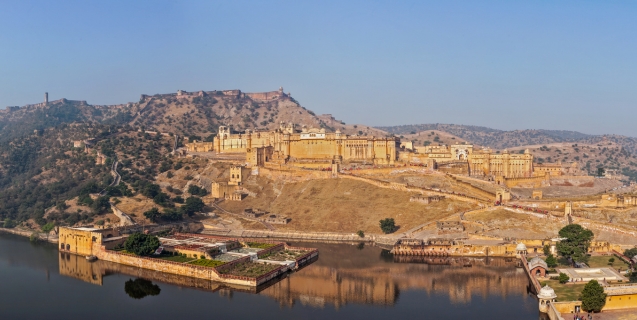
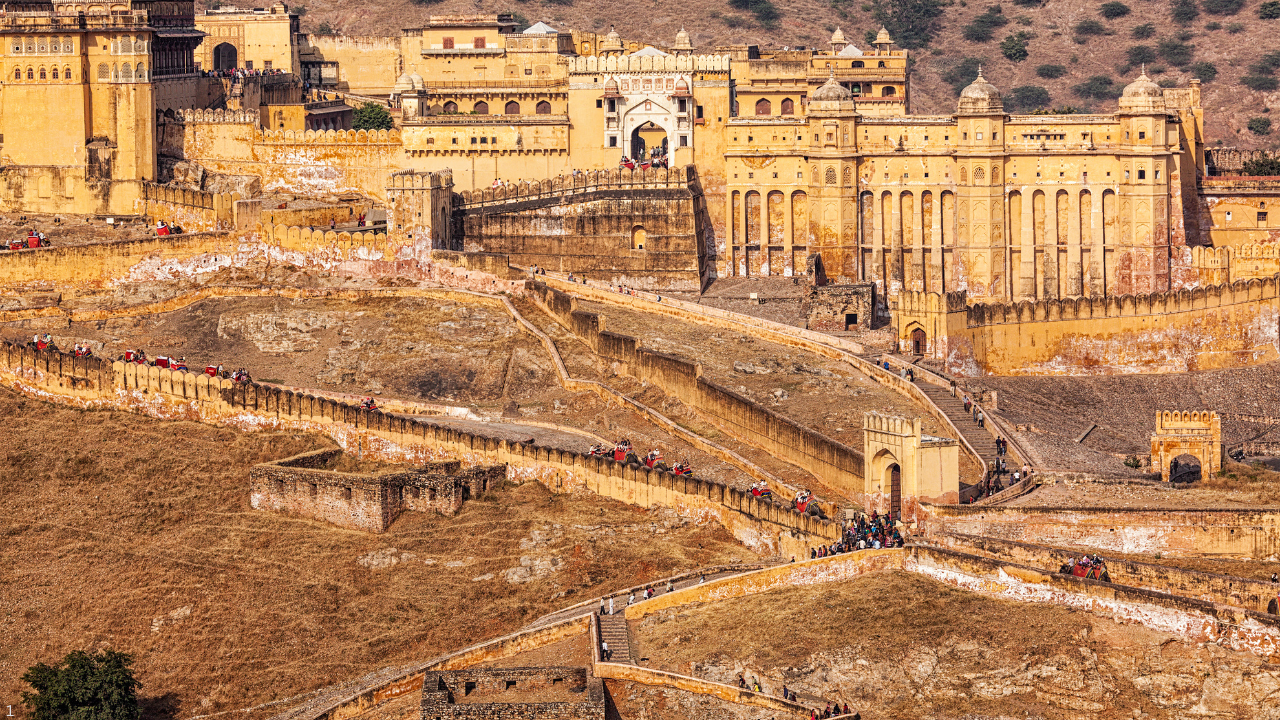
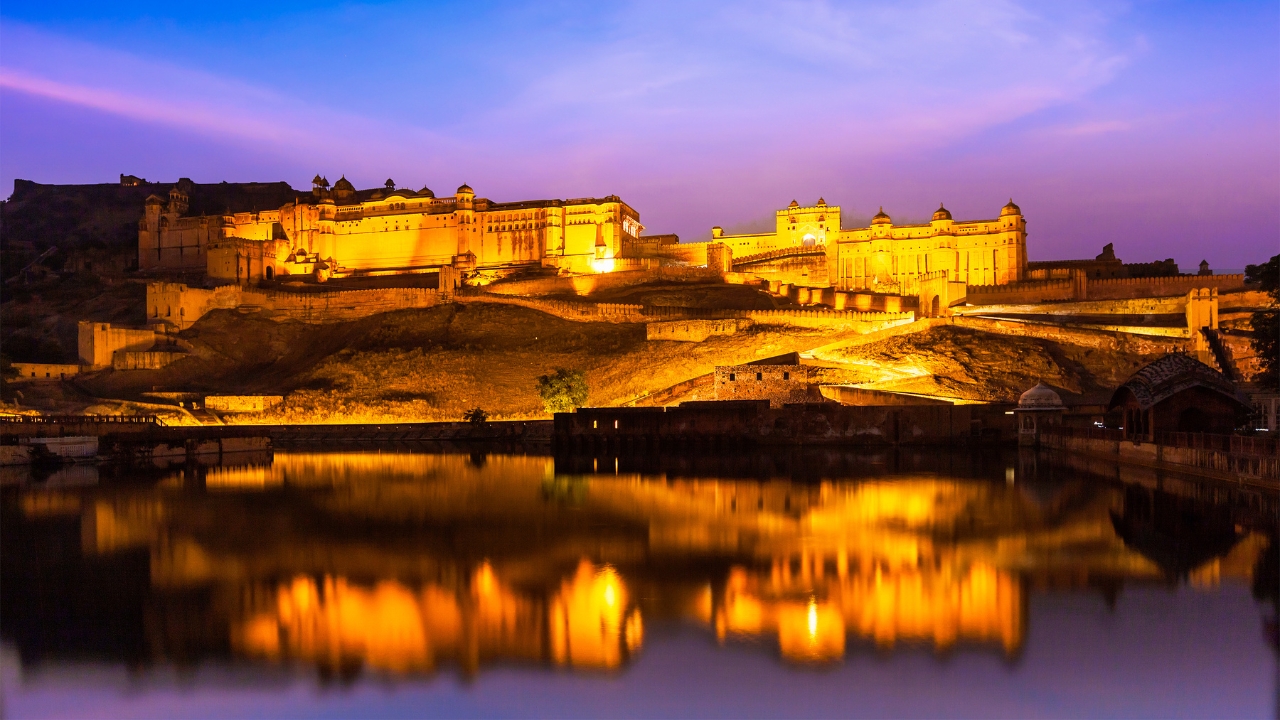
One of Rajasthan’s most magnificent hill forts known for Sheesh Mahal and royal palaces.
Famous for military architecture and the world’s largest wheeled cannon.
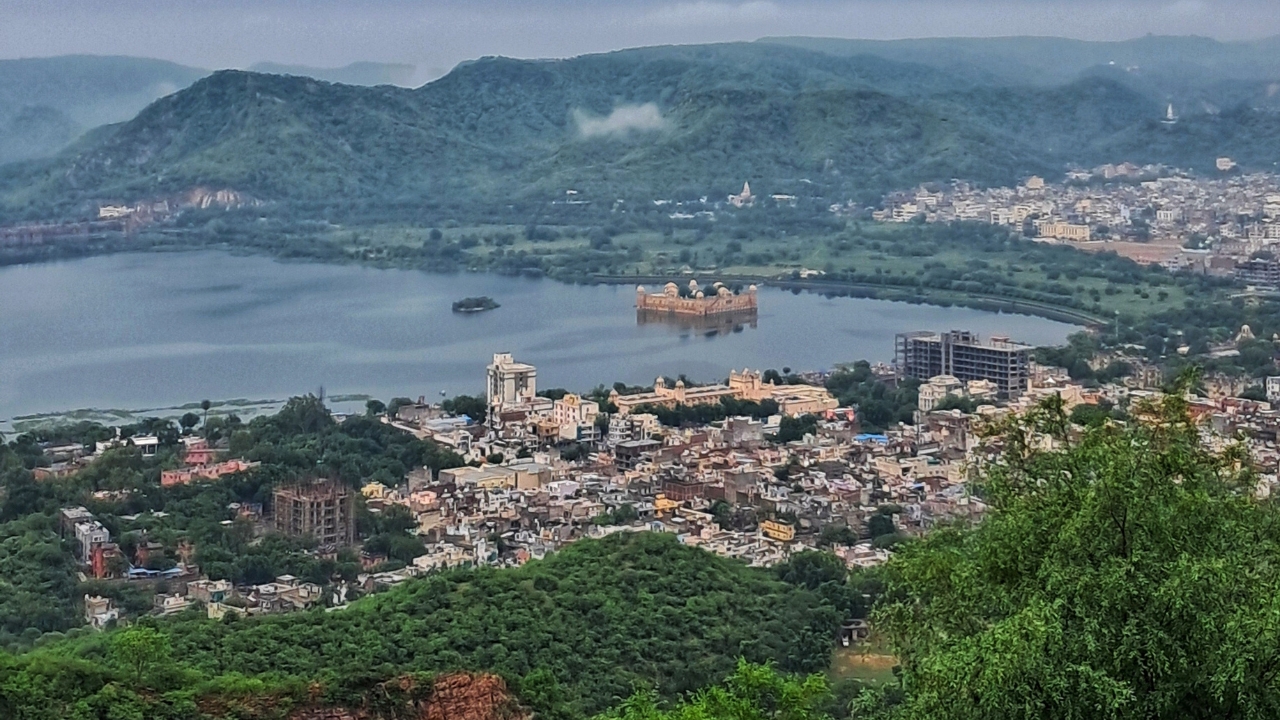
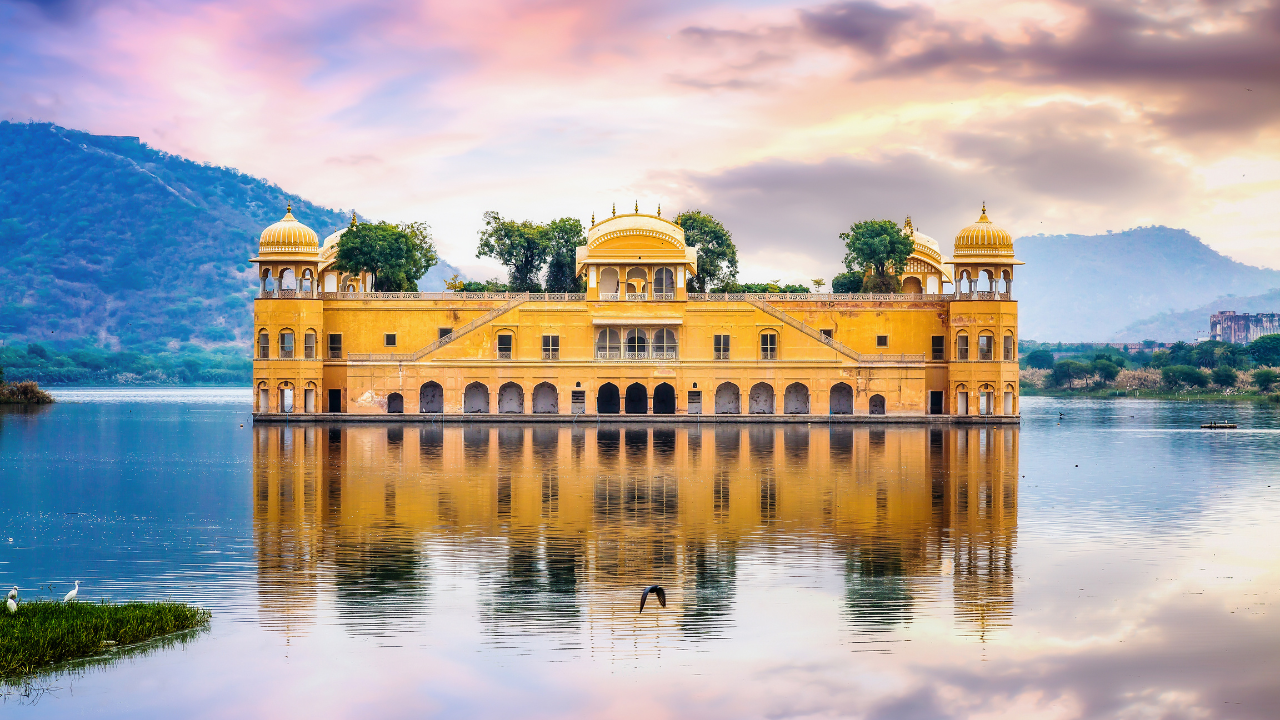
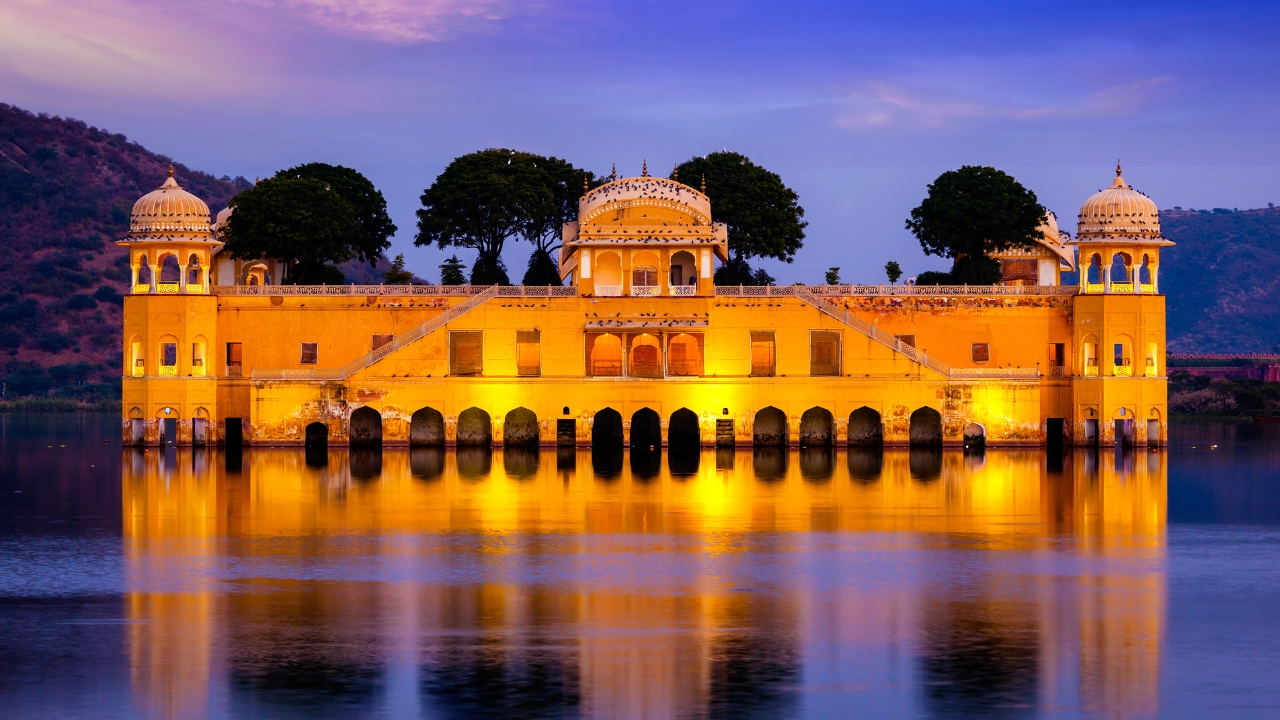
A beautiful palace located in the middle of Man Sagar Lake.
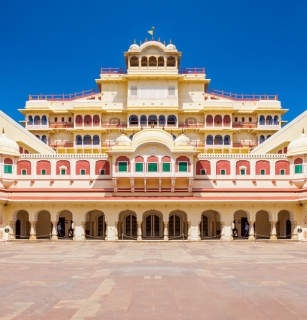
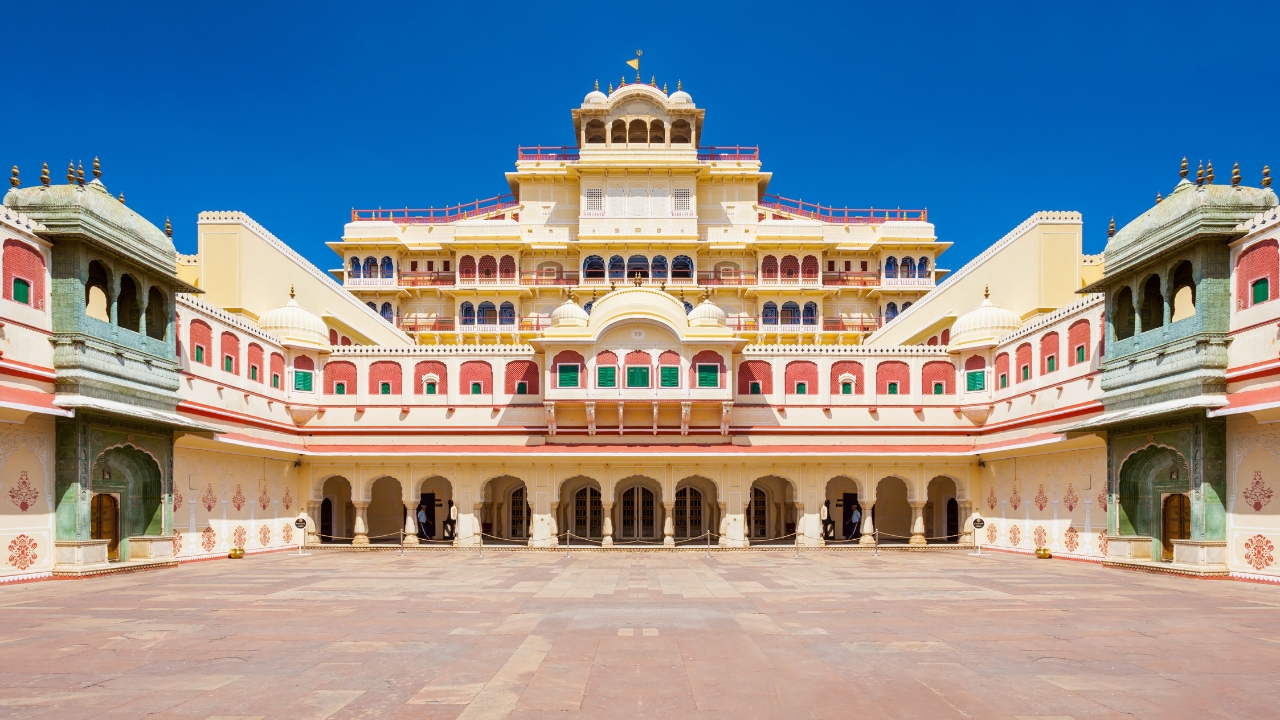
The residence of Jaipur’s royal family featuring museums and historic collections.
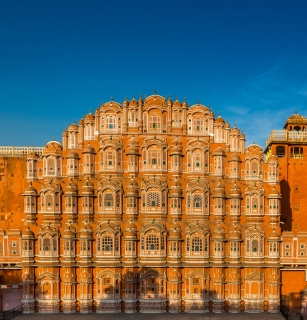
The iconic Palace of Winds and one of Jaipur’s most photographed landmarks.
Absolutely.
Nahargarh Fort combines history, architecture, royal heritage, panoramic views, photography opportunities, and cultural significance in one destination. Its spectacular location atop the Aravalli Hills and the beauty of Madhavendra Bhawan make it one of Jaipur’s most rewarding attractions.
For travelers seeking Jaipur’s best sunset views, royal history, and unforgettable photography locations, Nahargarh Fort is a must-visit destination.
Nahargarh Fort is famous for panoramic views of Jaipur, royal palace interiors, and spectacular sunsets.
Maharaja Sawai Jai Singh II built the fort in 1734.
The fort was originally called Sudarshangarh.
It is the royal palace complex located inside Nahargarh Fort.
Most visitors spend 2–3 hours exploring the fort.
The fort generally opens at 10:00 AM, while closing times vary by season and area.
Yes, it is one of Jaipur’s best photography locations.
October to March and late afternoons are considered ideal.
Amber Fort, Jaigarh Fort, Jal Mahal, City Palace, and Hawa Mahal are nearby.
Yes, it is one of the most popular attractions included in Jaipur sightseeing itineraries.
2 Days Tour

3 Days Tour
One Day Tour
Day Tour
One Day Tour
One Day Tour
One Day Tour