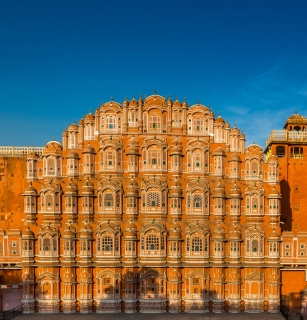
Standing proudly in the heart of Jaipur’s historic Pink City, Hawa Mahal is one of India’s most recognizable architectural landmarks and a symbol of Rajasthan’s royal heritage. Known as the “Palace of Winds,” this magnificent five-storey structure attracts millions of visitors every year with its unique honeycomb façade, intricate latticework, and fascinating history.
Built in 1799 by Maharaja Sawai Pratap Singh and designed by Lal Chand Ustad, Hawa Mahal was constructed to allow royal women to observe everyday life, religious processions, and celebrations in the bustling streets below without being seen by the public. The palace features 953 beautifully designed jharokhas (windows), which create a natural ventilation system and keep the interiors cool even during Jaipur’s hot summers.
Today, Hawa Mahal remains one of Jaipur’s most visited attractions and an essential stop for travelers interested in history, architecture, photography, and cultural heritage.
| Information | Details |
|---|---|
| Location | Badi Chaupar, Jaipur |
| Built By | Maharaja Sawai Pratap Singh |
| Architect | Lal Chand Ustad |
| Built In | 1799 |
| Famous For | 953 Jharokhas & Honeycomb Design |
| Architecture Style | Rajput & Mughal |
| Floors | Five |
| Time Required | 1–2 Hours |
| Best Time to Visit | October to March |
Hawa Mahal is much more than a beautiful monument. It is a masterpiece of architecture, engineering, and cultural significance.
The palace was specifically designed to allow royal women to observe life outside the palace while maintaining privacy according to the purdah system. The intricate jharokhas not only protected privacy but also allowed cool air to circulate throughout the building, creating a natural cooling effect that inspired its name, the Palace of Winds.
Visitors are drawn to Hawa Mahal because of:
Its striking façade has become one of the most photographed monuments in India and a defining symbol of Jaipur.
The history of Hawa Mahal dates back to 1799 when Maharaja Sawai Pratap Singh commissioned its construction as an extension of the City Palace complex.
Inspired by the architecture of Khetri Mahal, the Maharaja wanted a structure that would allow the women of the royal household to observe the vibrant street life of Jaipur while remaining unseen. The result was a remarkable five-storey palace featuring hundreds of intricately carved windows and balconies.
The palace was designed by architect Lal Chand Ustad using red and pink sandstone, reflecting Jaipur’s identity as the Pink City. Many historians believe the structure resembles the crown of Lord Krishna, reflecting Maharaja Sawai Pratap Singh’s devotion.
Over two centuries later, Hawa Mahal continues to stand as one of Rajasthan’s most important architectural and cultural landmarks.
One of the most fascinating aspects of Hawa Mahal is its unique architectural design.
The building rises five storeys high and features a pyramidal structure with hundreds of small windows arranged in a honeycomb pattern. Despite its height, it was built without a traditional foundation and has remained structurally stable for centuries.
The palace contains 953 intricately designed windows that allowed royal women to observe life outside while maintaining privacy. These windows also promote continuous airflow throughout the structure.
The front elevation resembles a honeycomb and remains one of the most recognizable architectural designs in India.
The design utilizes airflow and pressure differences to create natural ventilation, making the palace significantly cooler than the surrounding environment.
The structure combines Rajput architectural elements such as domes, floral motifs, and canopies with Mughal-inspired arches and decorative stonework.
Visitors can explore corridors and passageways that connect different sections of the palace.
The intricate windows provide stunning views of Jaipur’s historic streets and markets.
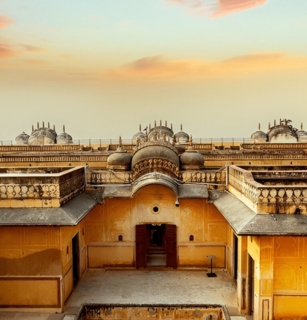
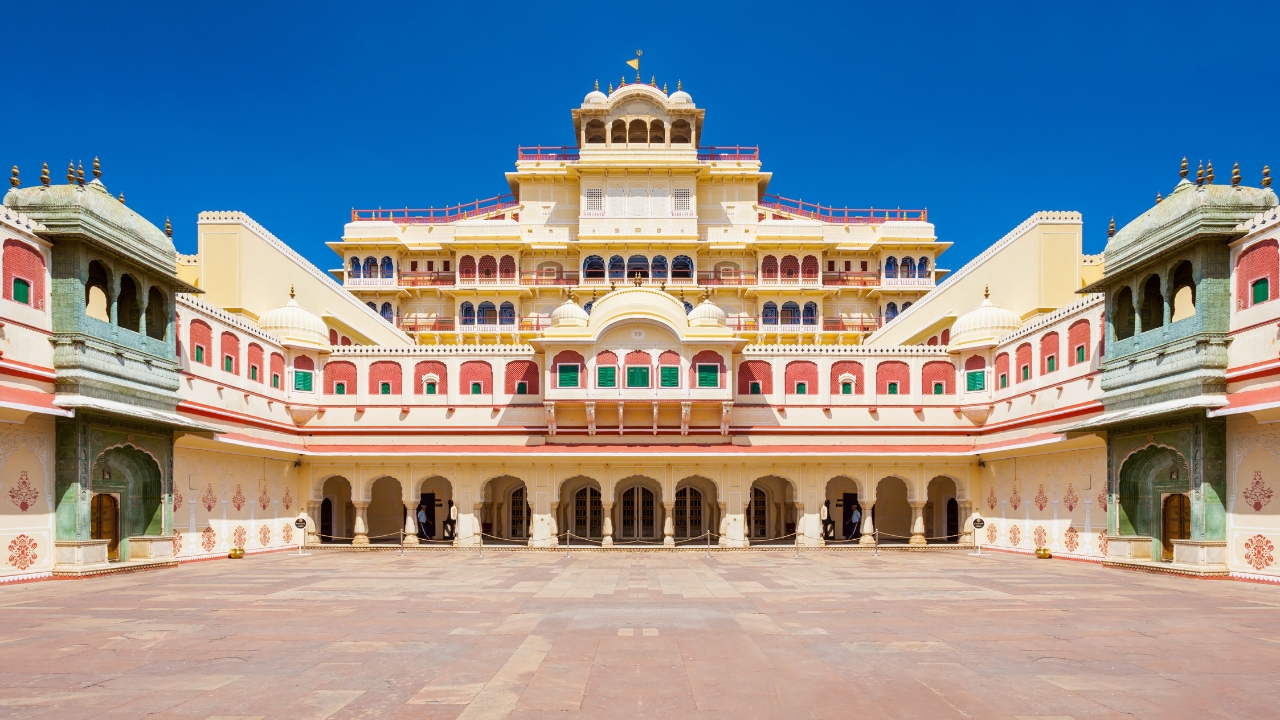
The palace includes a beautiful internal courtyard surrounded by architectural details and heritage structures.
The complex houses exhibits that offer insight into Jaipur’s history and royal heritage.
The upper levels provide impressive views of Jaipur’s old city, markets, and surrounding monuments.
Visitors can explore Hawa Mahal throughout the year.
It is advisable to visit early in the morning for comfortable sightseeing and photography.
Ticket prices may vary depending on visitor category and government regulations.
Categories generally include:
Visitors should check the latest ticket information before planning their trip.
The winter season offers the most pleasant weather for sightseeing.
Sunrise and morning hours provide excellent lighting conditions for photography and fewer crowds.
The monument appears especially beautiful during the golden hour when sunlight enhances the colors of the sandstone façade.
Hawa Mahal is among Jaipur’s most photographed monuments.
Popular photography spots include:
The early morning light creates particularly stunning images of the monument.
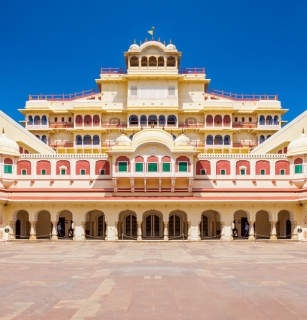
Explore Jaipur’s royal heritage through museums, courtyards, and royal collections.
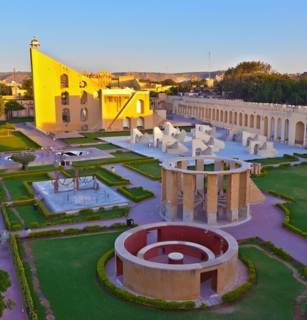
Discover one of the world’s most remarkable astronomical observatories and a UNESCO World Heritage Site.
A vibrant marketplace known for gemstones, jewelry, handicrafts, and traditional products.
One of Jaipur’s most revered temples.
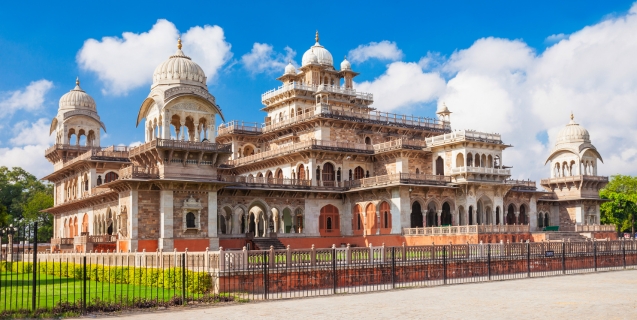
Rajasthan’s oldest museum featuring fascinating historical collections.
Absolutely.
Hawa Mahal is one of the most iconic attractions in Rajasthan and offers a unique combination of history, architecture, culture, engineering, and photography. Its fascinating design, royal heritage, and central location make it an essential destination for anyone visiting Jaipur.
Whether you are interested in architecture, history, photography, or cultural exploration, Hawa Mahal provides a memorable and enriching experience.
Hawa Mahal is famous for its 953 windows, honeycomb design, and unique ventilation system.
Maharaja Sawai Pratap Singh commissioned its construction in 1799.
The numerous windows create continuous airflow that keeps the building naturally ventilated.
There are 953 intricately designed jharokhas.
Most visitors spend one to two hours exploring the monument.
The monument is generally open daily from 9:00 AM to 5:00 PM.
Yes, photography is generally permitted.
October to March and early morning hours are considered ideal.
It was built as an extension of the City Palace complex.
City Palace, Jantar Mantar, Johari Bazaar, Govind Dev Ji Temple, and Albert Hall Museum are nearby.
Discover one of Rajasthan’s most iconic landmarks and experience the architectural brilliance, royal heritage, and cultural significance of Hawa Mahal. From its fascinating history and unique design to its breathtaking views and photography opportunities, the Palace of Winds remains an unforgettable highlight of every Jaipur journey.
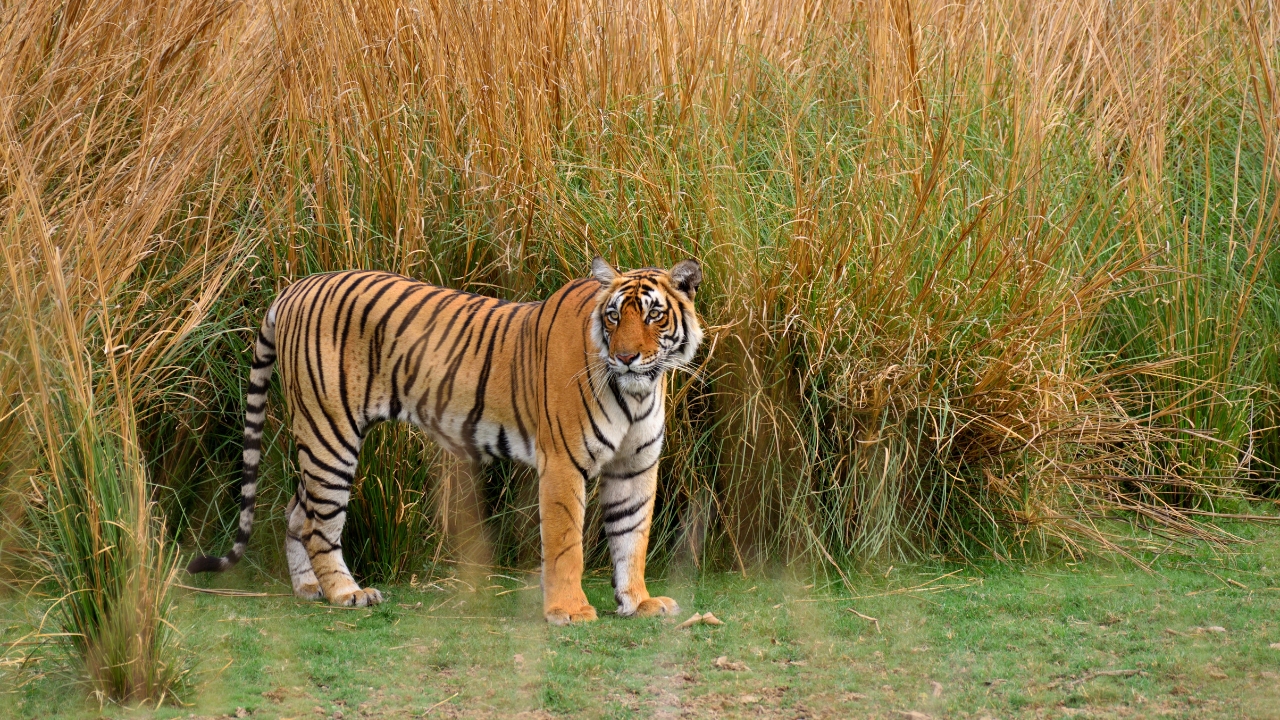
2 Days Tour

3 Days Tour
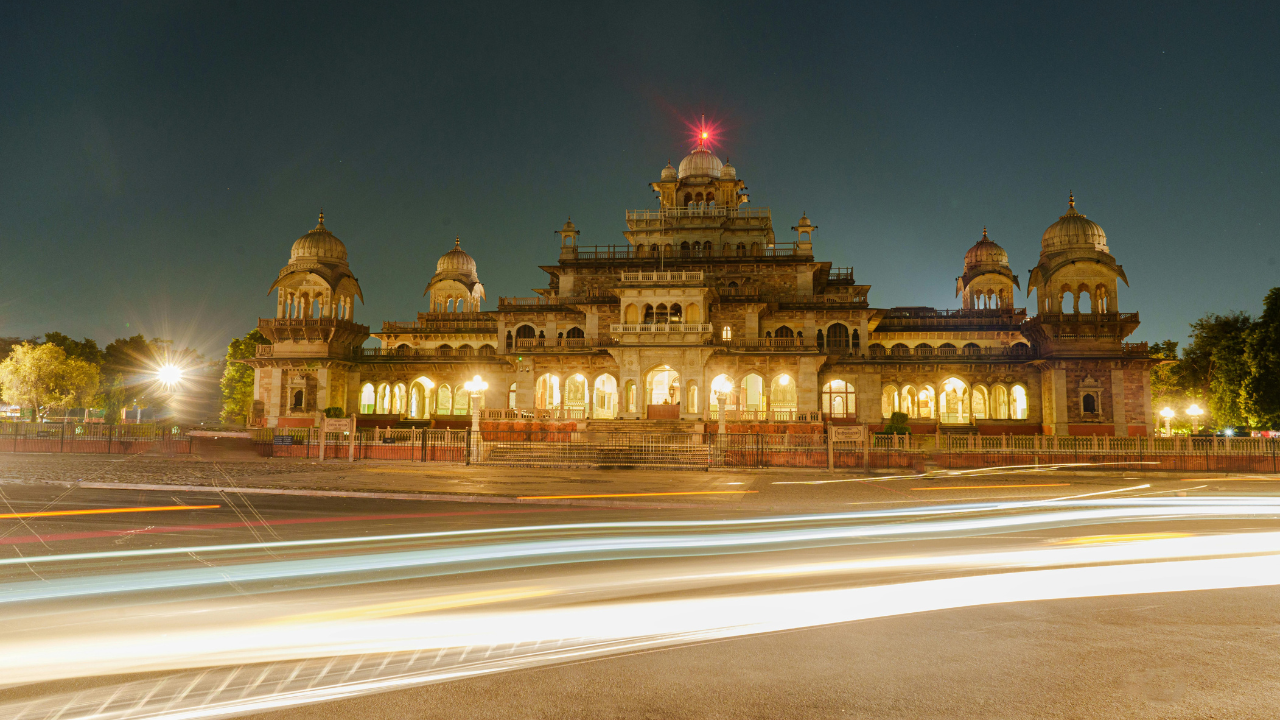
One Day Tour
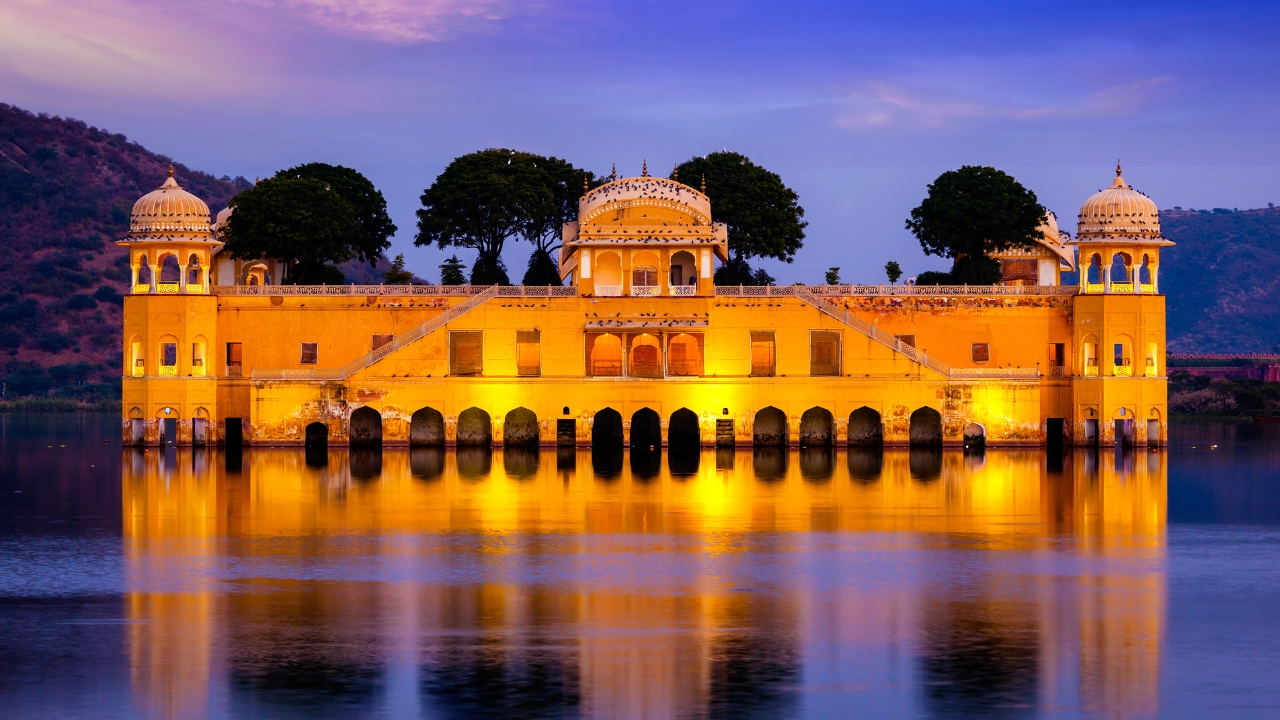
Day Tour
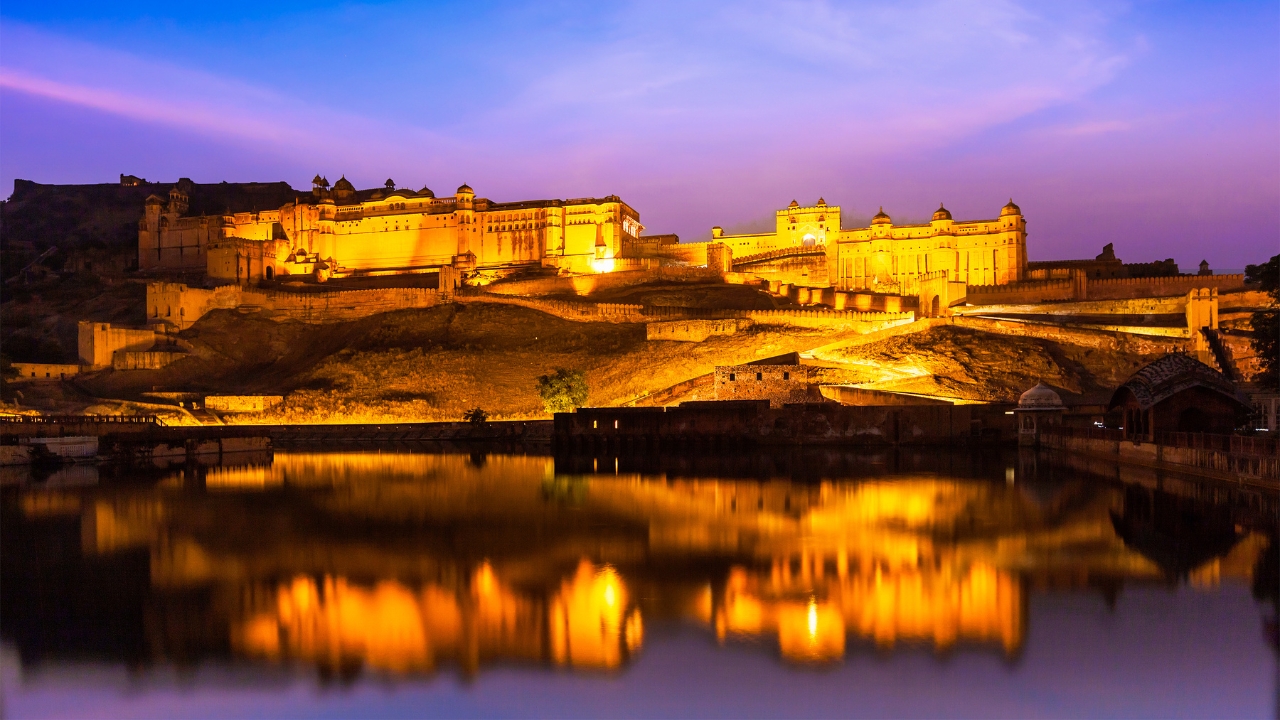
One Day Tour
One Day Tour
One Day Tour