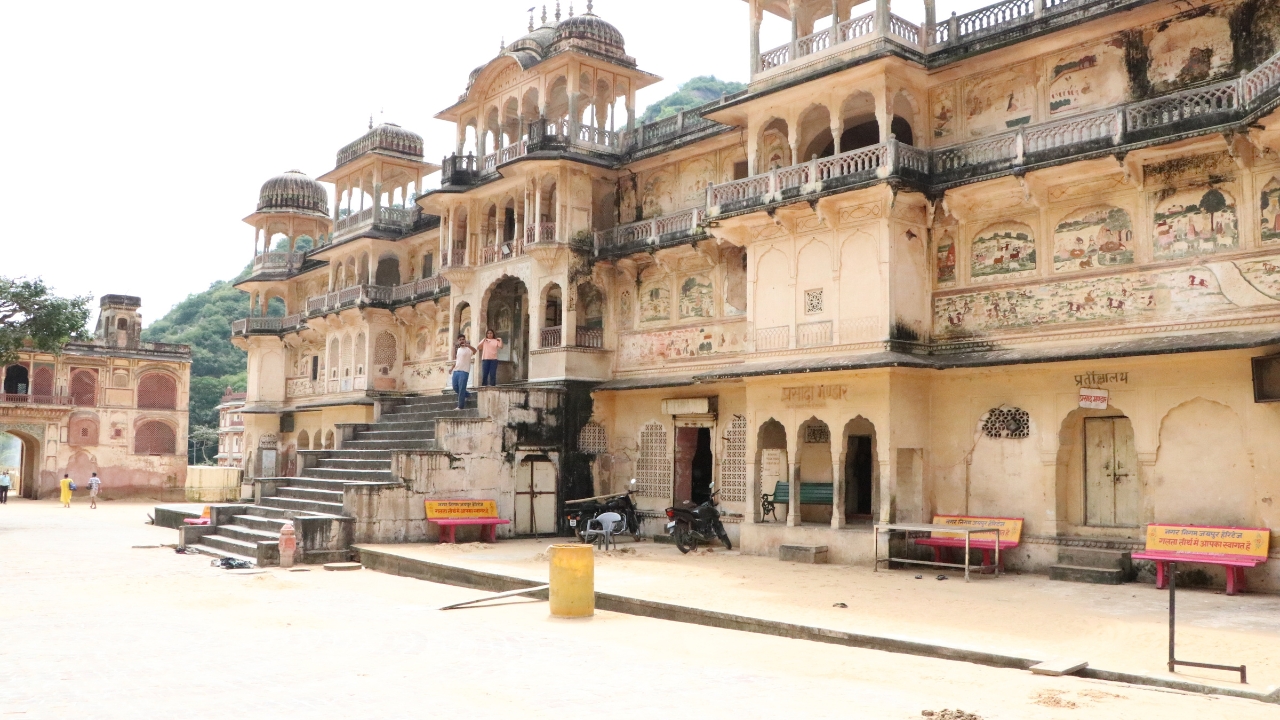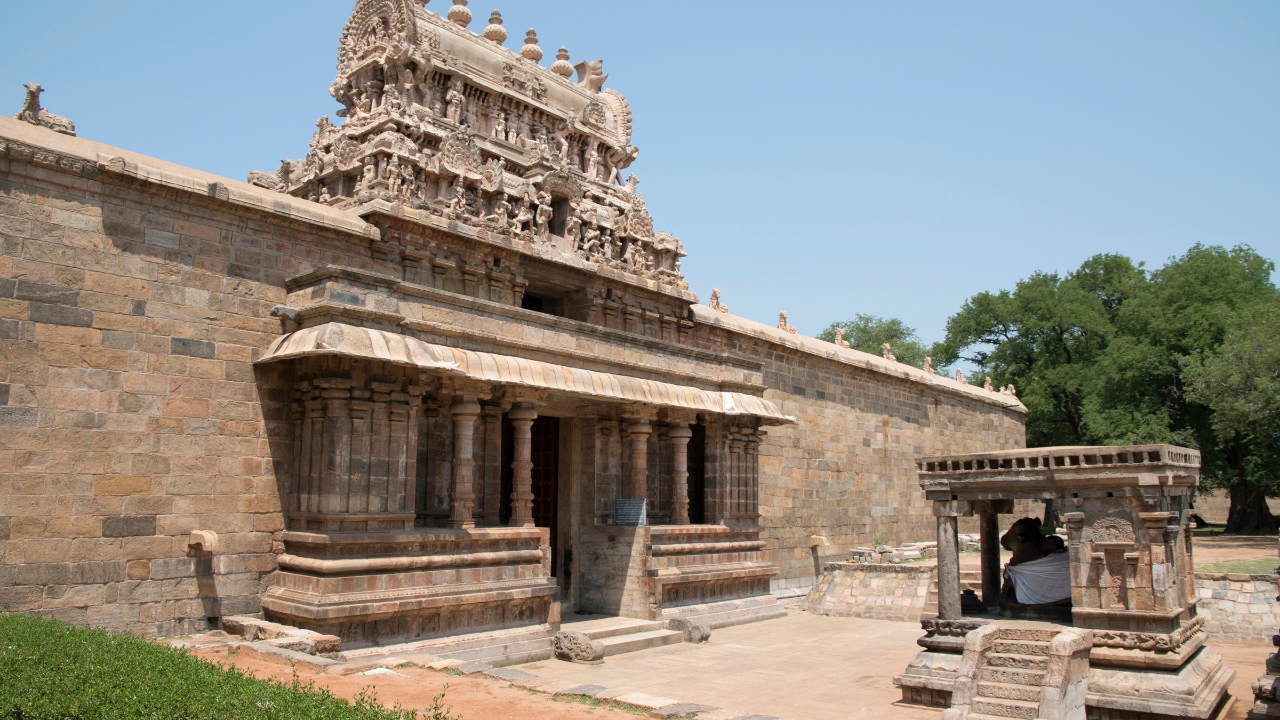
Experience the rich heritage, magnificent architecture, vibrant culture, and timeless beauty of Rajasthan with our carefully designed Jaipur Sightseeing Tour Package. Known as the Pink City of India, Jaipur is home to majestic forts, royal palaces, colorful markets, ancient temples, and UNESCO World Heritage Sites that attract travelers from across the world.
Whether you are visiting Jaipur for the first time or returning to explore its hidden gems, this sightseeing experience offers the perfect opportunity to discover the city’s most iconic attractions in a comfortable and organized manner. From grand hilltop forts and royal residences to bustling bazaars and cultural landmarks, Jaipur presents a unique blend of history, tradition, and modern hospitality.
Our sightseeing tours are ideal for families, couples, solo travelers, photographers, history enthusiasts, and international visitors who wish to experience the best of Jaipur in a short duration.
Jaipur is one of India’s most celebrated travel destinations, offering an extraordinary combination of royal heritage, architectural brilliance, and cultural richness. A well-planned sightseeing tour allows visitors to explore the city’s major landmarks efficiently while gaining valuable insights into its fascinating history.
The city was founded in 1727 by Maharaja Sawai Jai Singh II and is renowned for its carefully planned streets, magnificent palaces, astronomical observatories, and vibrant local markets. Every monument tells a story of Rajasthan’s glorious past and showcases remarkable craftsmanship.
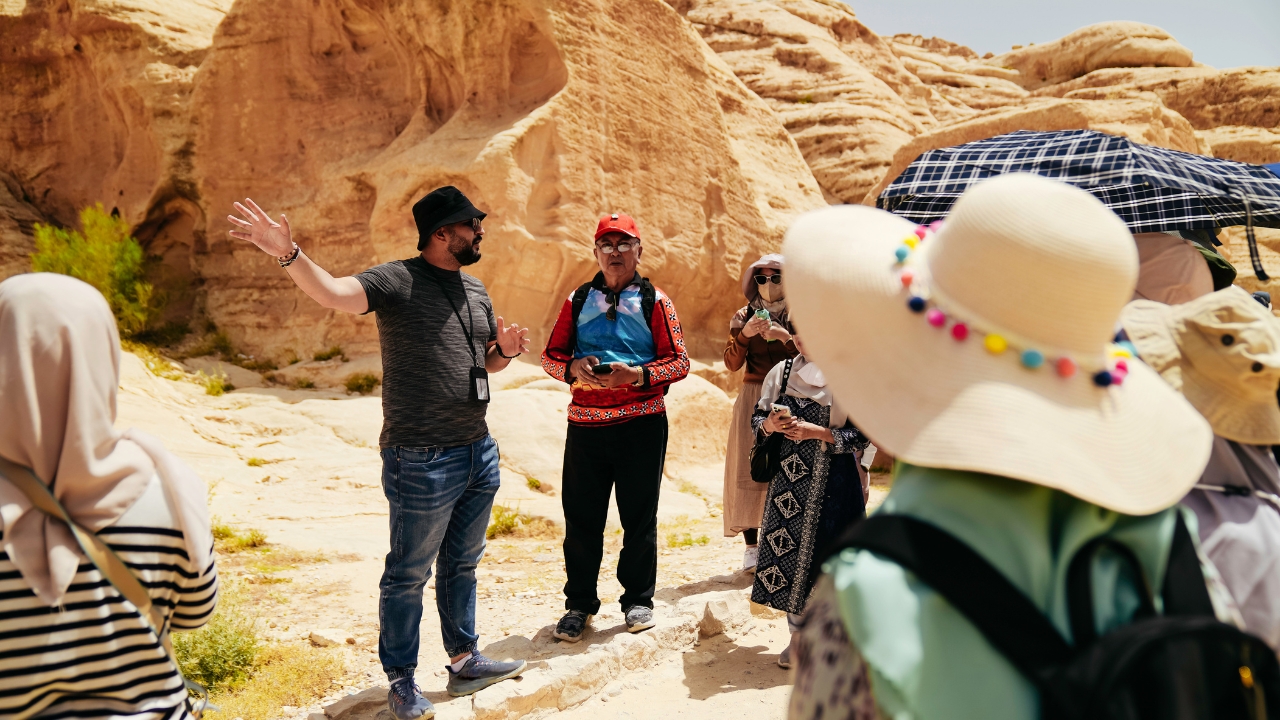
A guided sightseeing experience helps travelers make the most of their visit while enjoying comfortable transportation, local expertise, and a hassle-free itinerary.
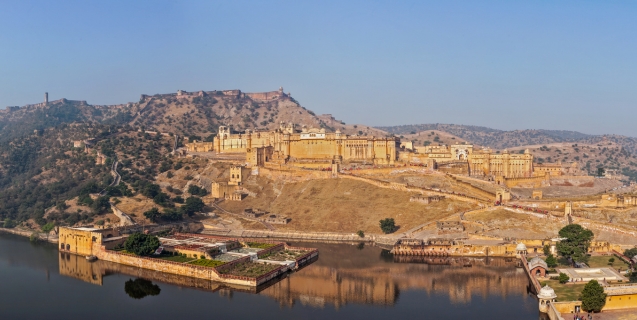
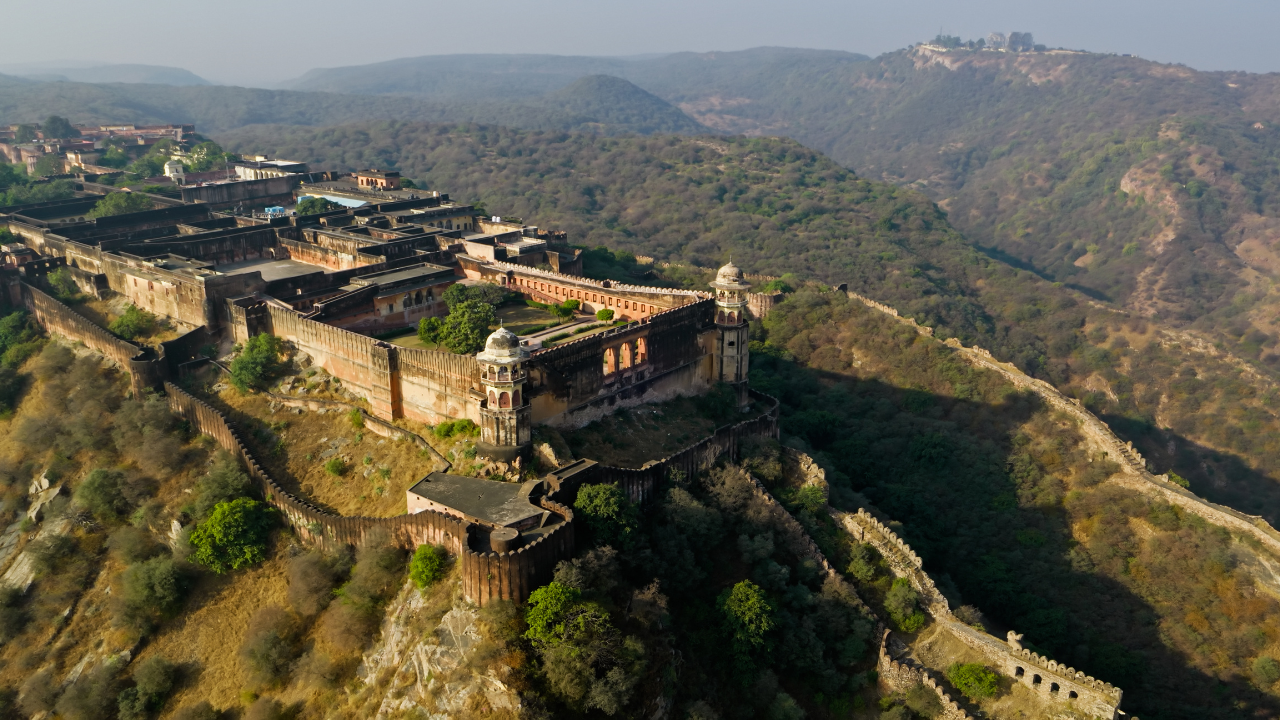
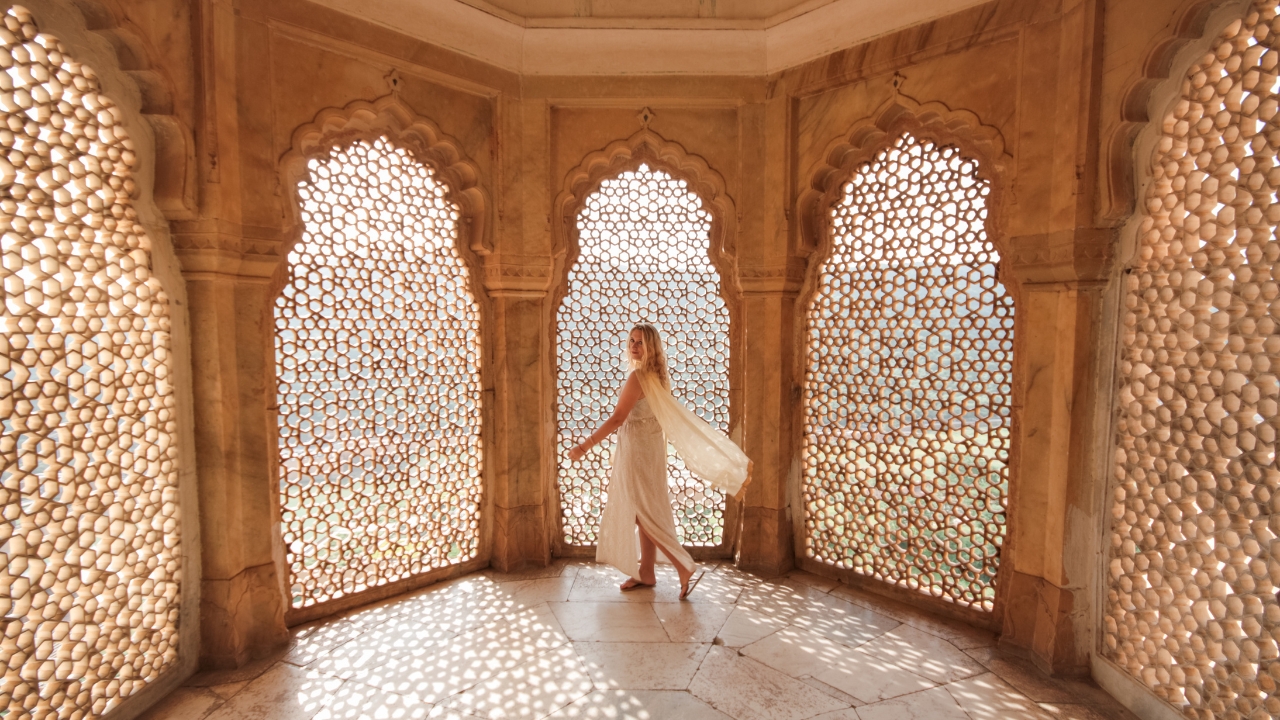
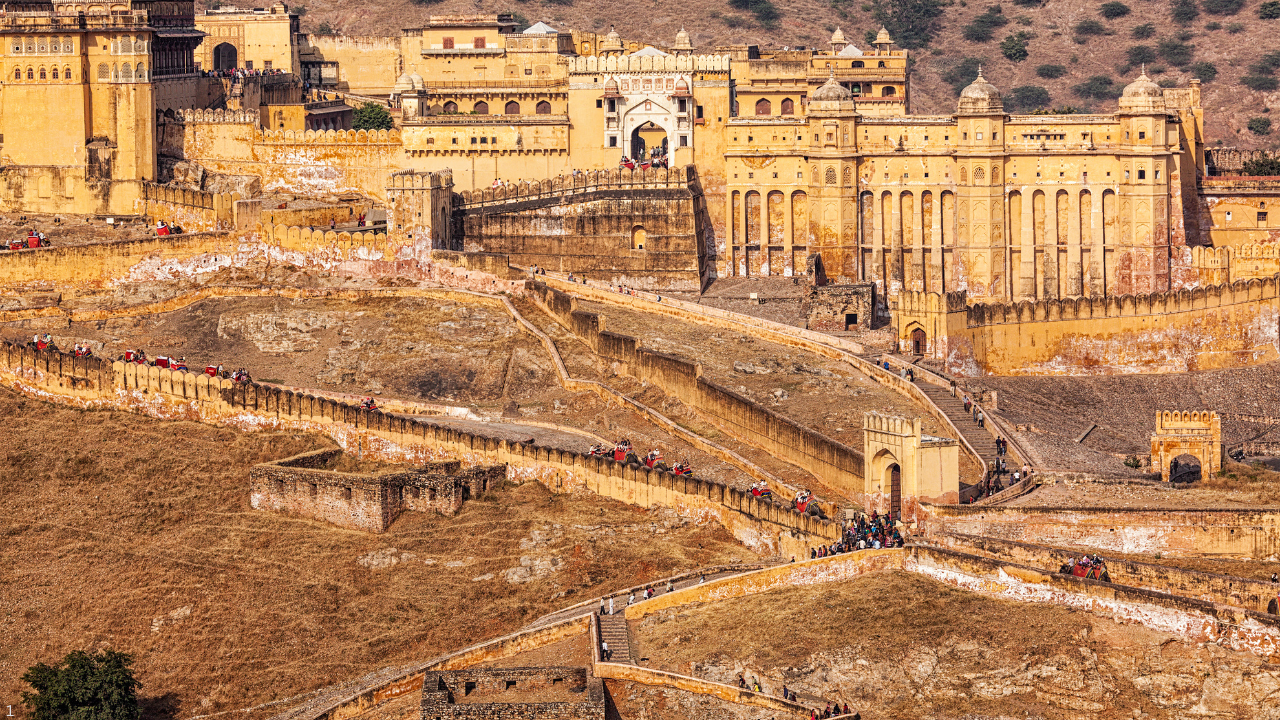
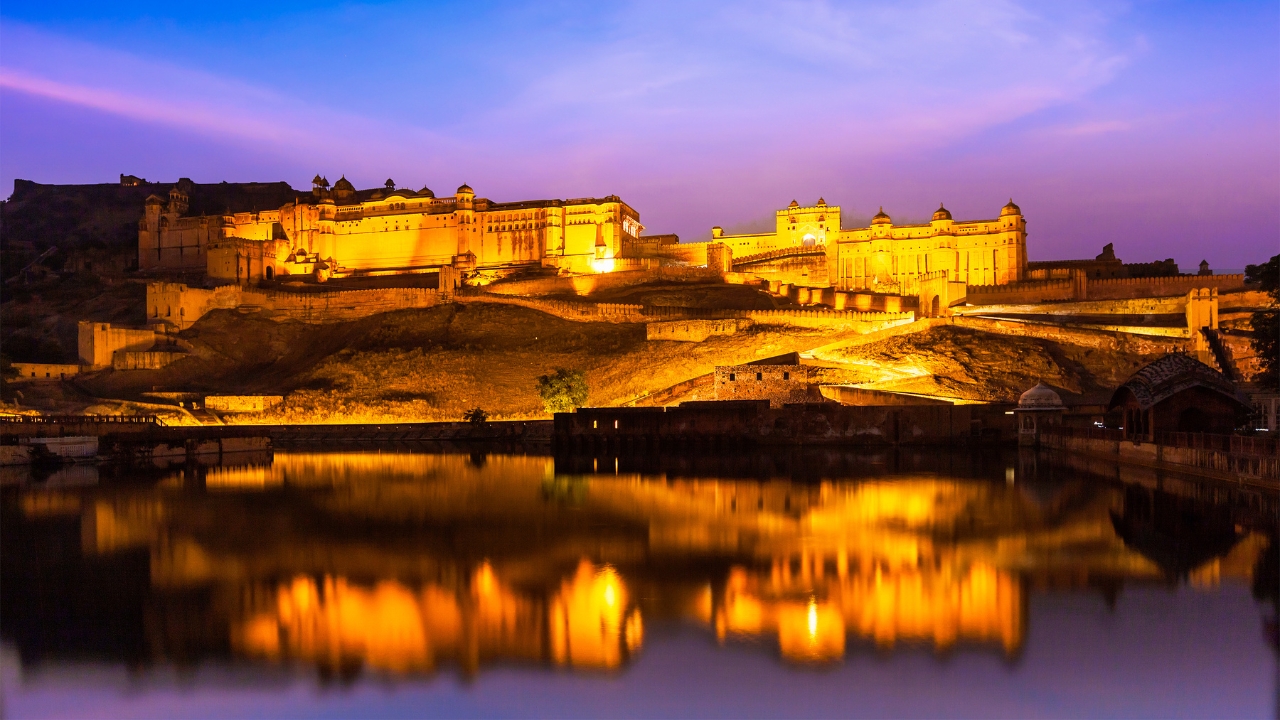
Perched on a hill overlooking Maota Lake, Amber Fort is one of Rajasthan’s most spectacular attractions. Built with red sandstone and marble, the fort features magnificent courtyards, royal chambers, mirror work, and stunning views of the surrounding landscape.
Visitors can explore attractions such as Sheesh Mahal, Diwan-e-Aam, Diwan-e-Khas, and beautiful gardens that reflect the grandeur of Rajput architecture.
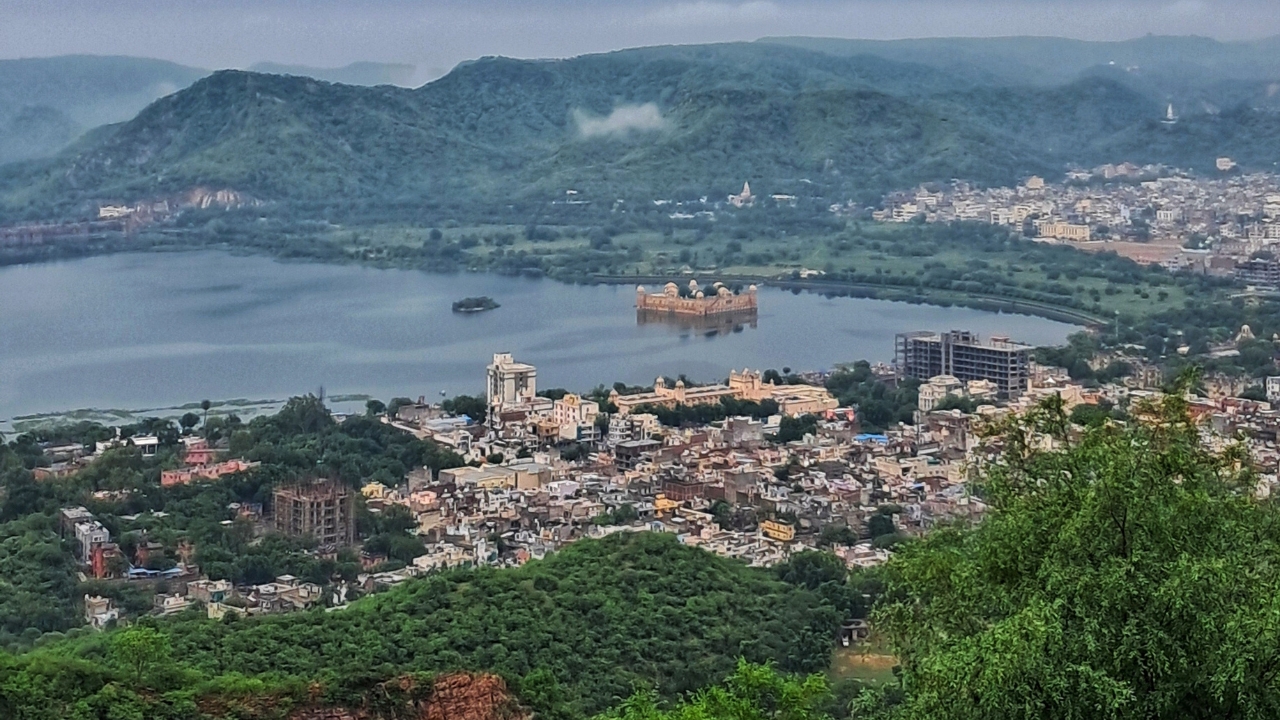
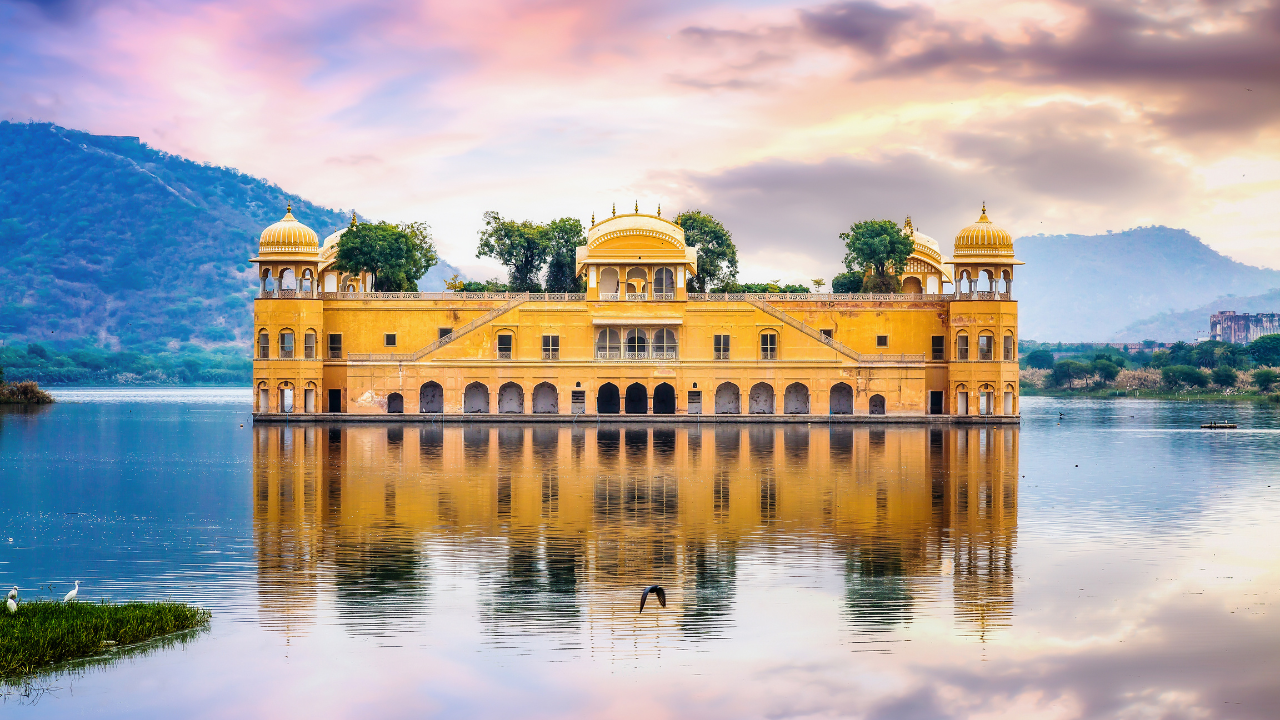
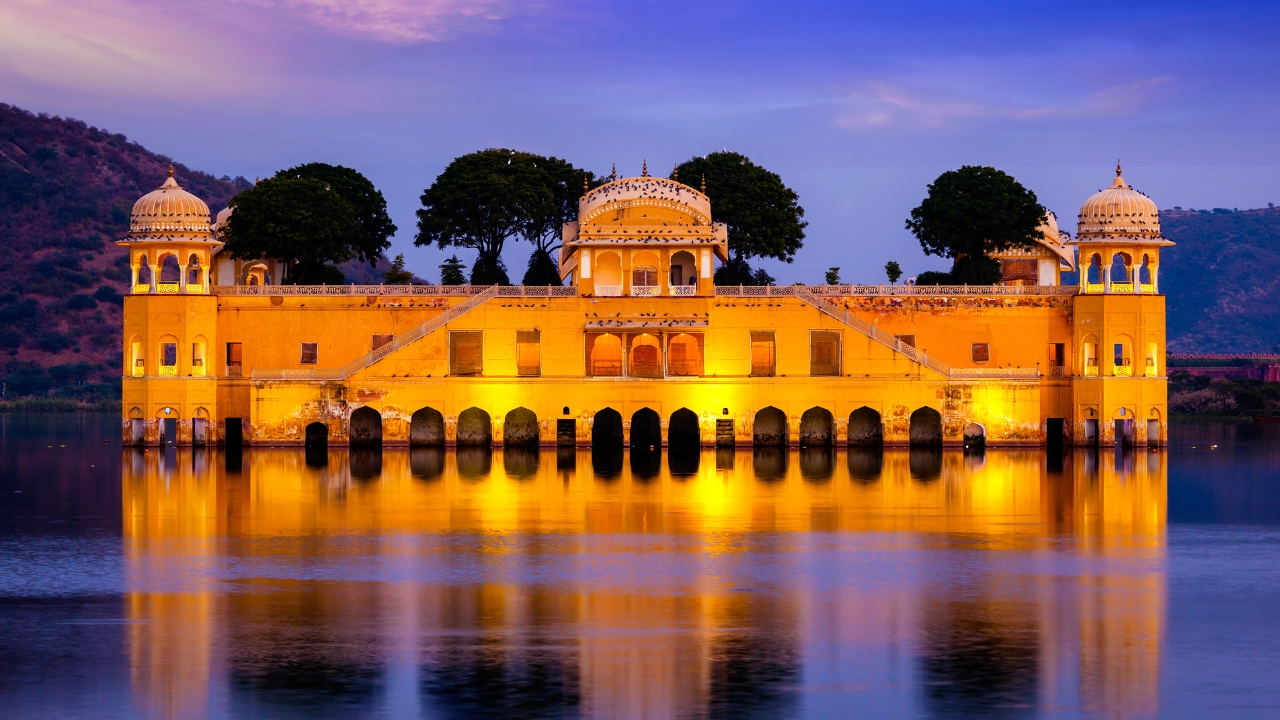
Situated in the middle of Man Sagar Lake, Jal Mahal is one of Jaipur’s most photographed landmarks. The palace appears to float gracefully on the water, creating a picturesque setting that attracts photographers and nature lovers alike.
The scenic surroundings make it an ideal stop during a sightseeing journey through Jaipur.
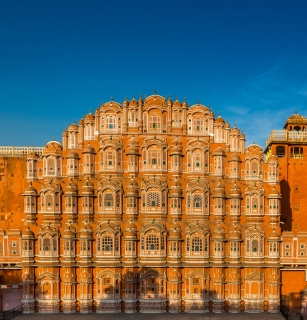
Popularly known as the Palace of Winds, Hawa Mahal is a symbol of Jaipur’s architectural heritage. Its distinctive façade features hundreds of intricately designed windows that allowed royal women to observe street festivities while maintaining privacy.
The structure remains one of the most recognized landmarks in Rajasthan.
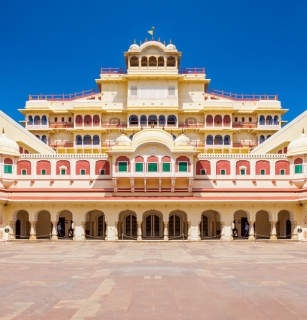
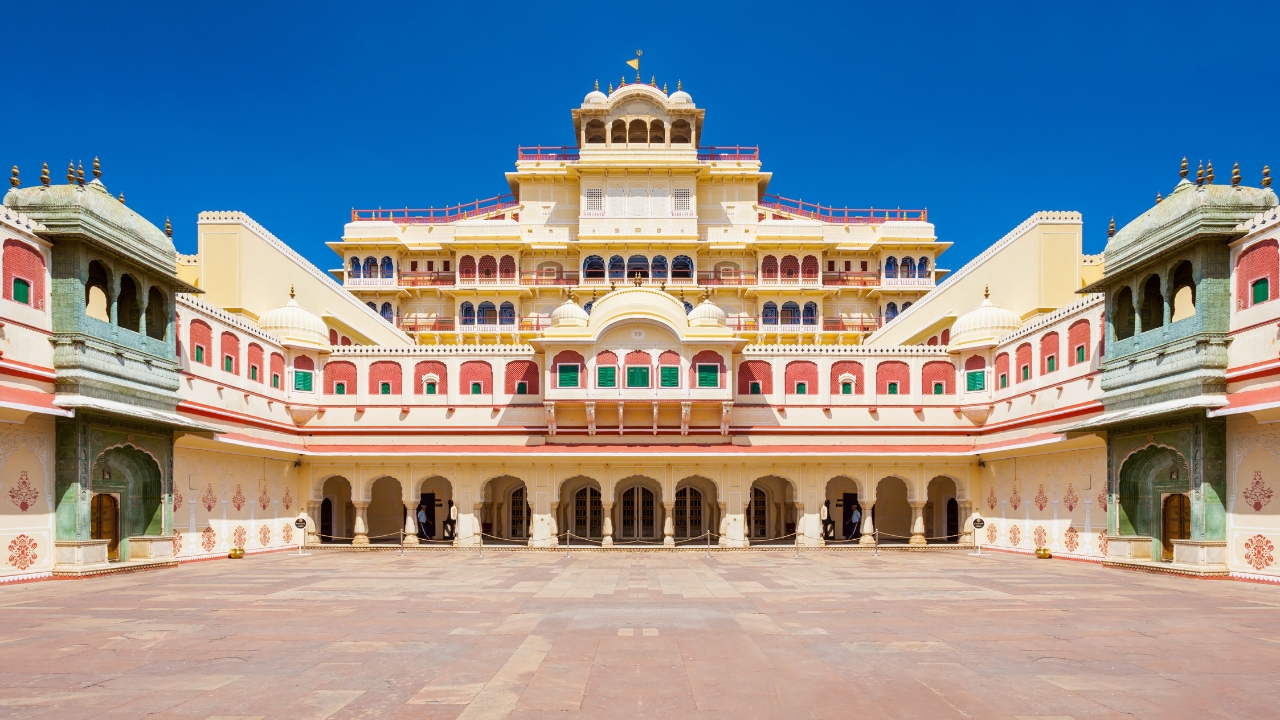
Located in the heart of the old city, City Palace represents the royal legacy of Jaipur. The palace complex includes elegant courtyards, museums, historic artifacts, royal residences, and beautifully decorated gateways.
Visitors can witness the perfect blend of Rajput, Mughal, and European architectural influences throughout the palace.
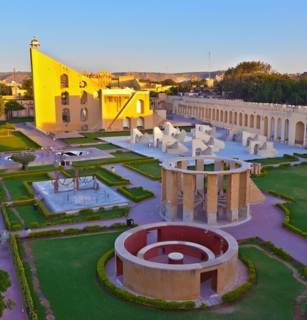
A UNESCO World Heritage Site, Jantar Mantar is an astronomical observatory built by Maharaja Sawai Jai Singh II. The observatory houses fascinating instruments used to study celestial movements and measure time with remarkable precision.
It remains one of the most significant scientific landmarks in India.
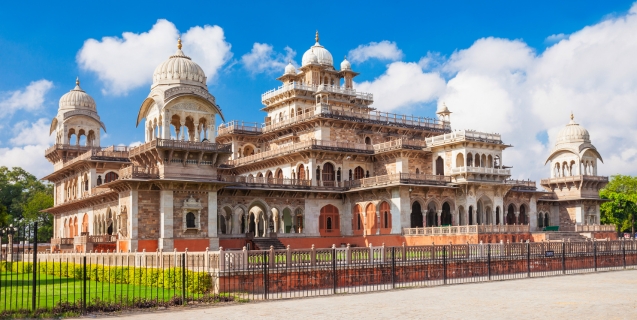
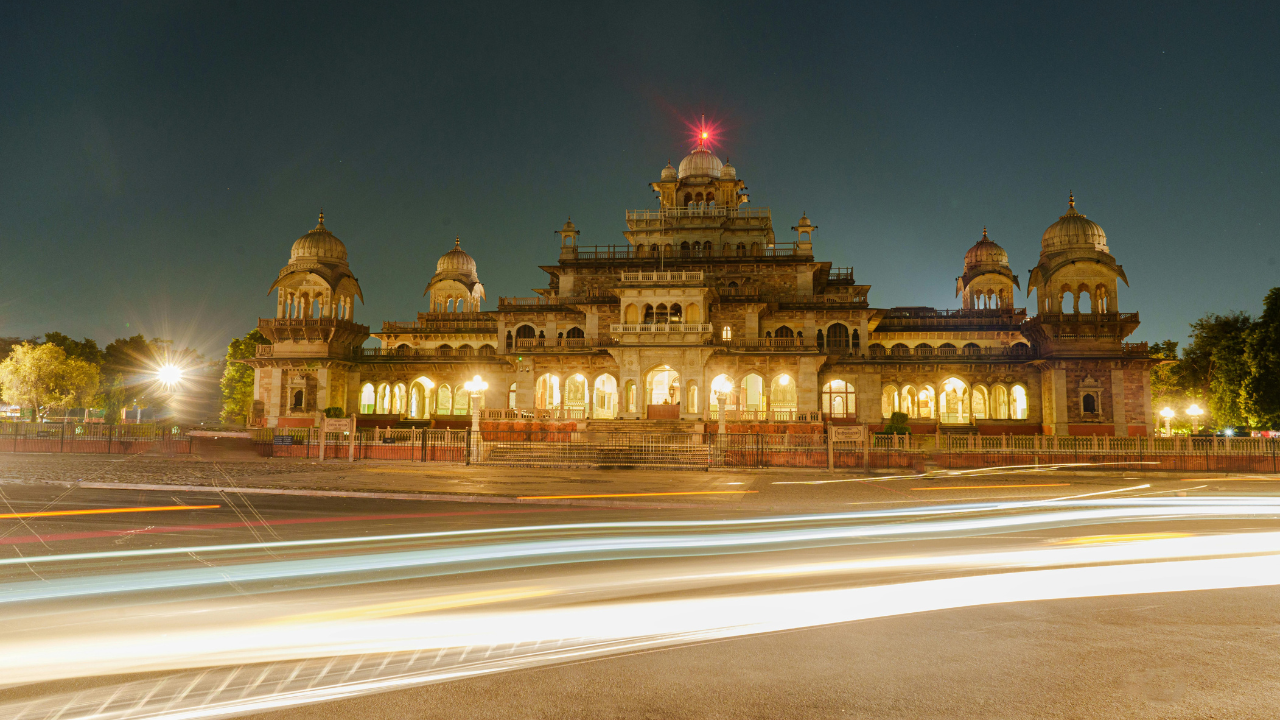
Albert Hall Museum is Rajasthan’s oldest museum and houses an impressive collection of paintings, sculptures, carpets, weapons, manuscripts, and historical artifacts.
The museum’s Indo-Saracenic architecture further enhances its appeal among visitors.
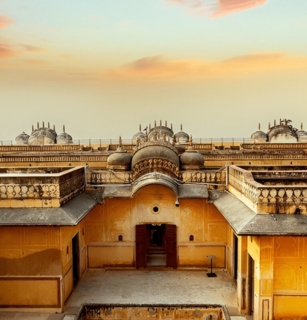
Offering panoramic views of Jaipur’s skyline, Nahargarh Fort is one of the city’s most popular viewpoints. The fort’s historical significance, beautiful architecture, and breathtaking sunset views make it a favorite destination among tourists.
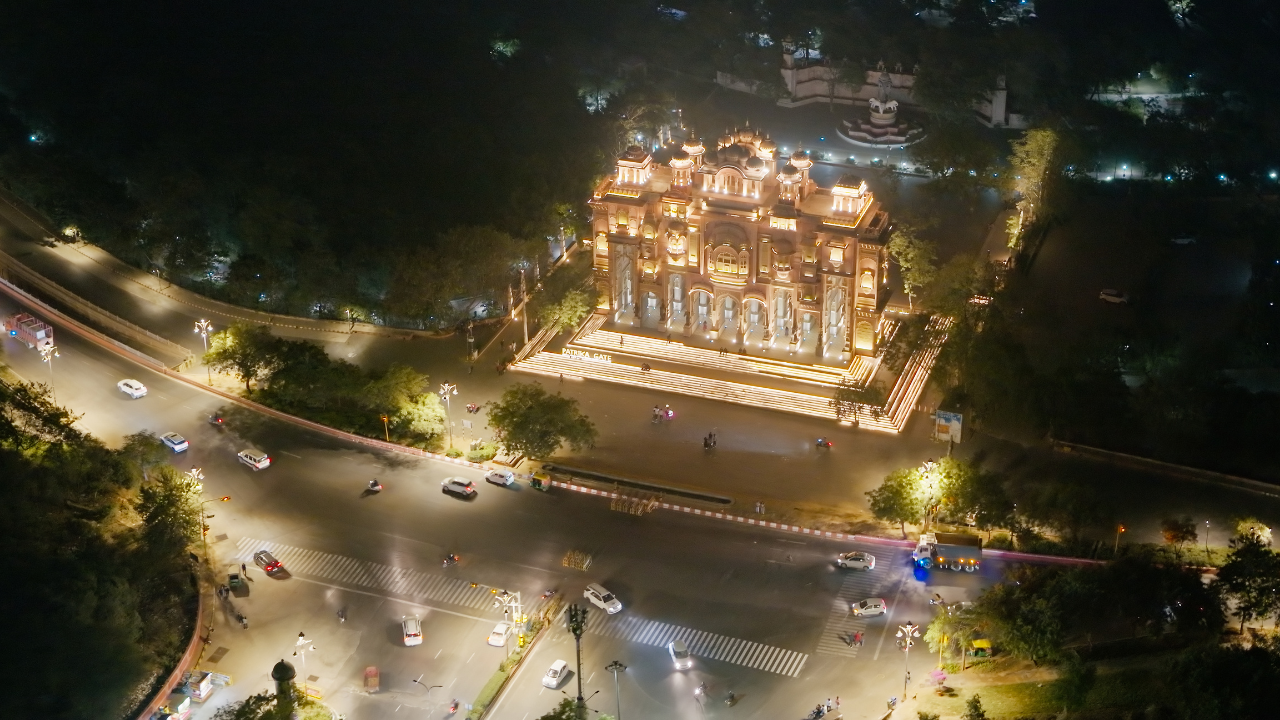
Known for its colorful artwork and intricate designs, Patrika Gate has become one of Jaipur’s most photographed modern landmarks. The vibrant murals beautifully showcase Rajasthan’s culture and artistic heritage.
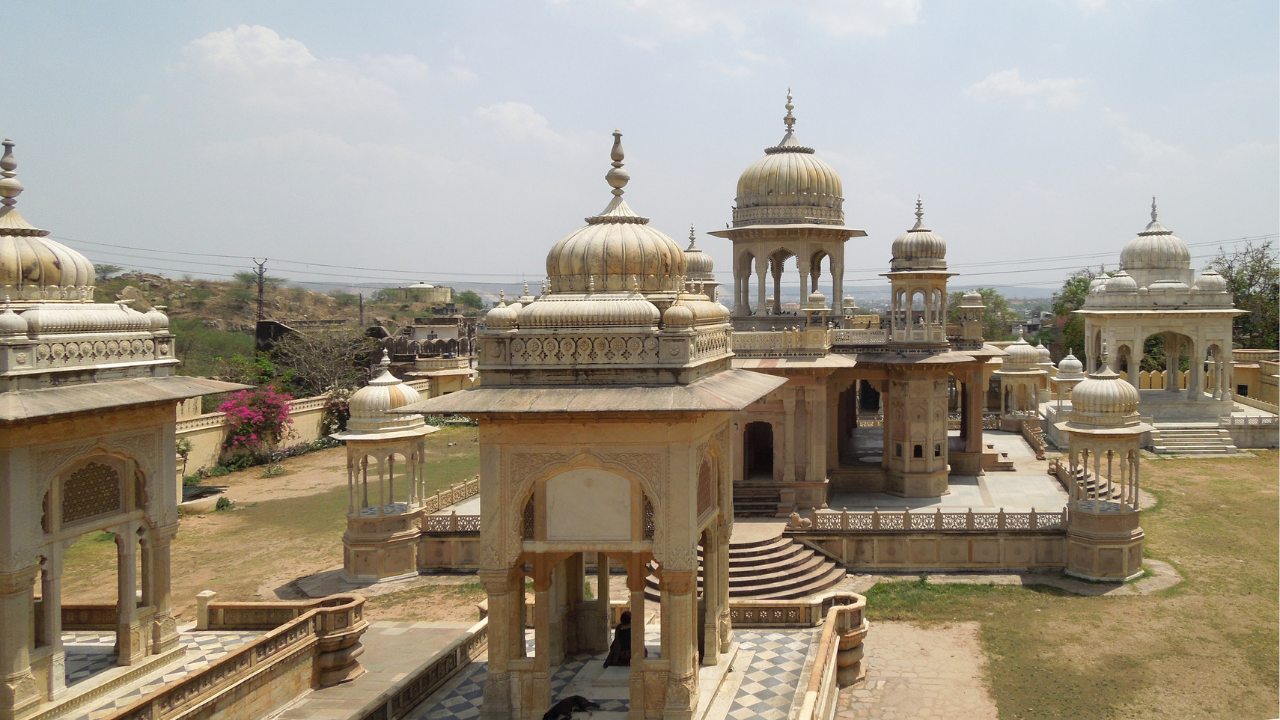
This lesser-known attraction features beautifully carved cenotaphs dedicated to Jaipur’s former rulers. The peaceful atmosphere and exquisite architecture make it a hidden gem for travelers interested in history and photography.
Visitors exploring Jaipur can experience a remarkable collection of heritage sites, royal palaces, ancient temples, museums, local markets, and cultural experiences. The city offers something unique for every traveler, whether they are interested in architecture, history, photography, shopping, or local cuisine.
Many travelers searching for the top 10 places to visit in Jaipur often include Amber Fort, Hawa Mahal, City Palace, Jantar Mantar, Jal Mahal, Nahargarh Fort, Albert Hall Museum, Birla Temple, Patrika Gate, and Gaitor Ki Chhatriyan on their itinerary.
Beyond its monuments, Jaipur offers a vibrant cultural atmosphere that reflects Rajasthan’s traditions and heritage.
Visitors can enjoy:
These cultural elements provide a deeper understanding of Jaipur’s identity and charm.
The ideal time to explore Jaipur is between October and March when the weather remains pleasant and comfortable for sightseeing.
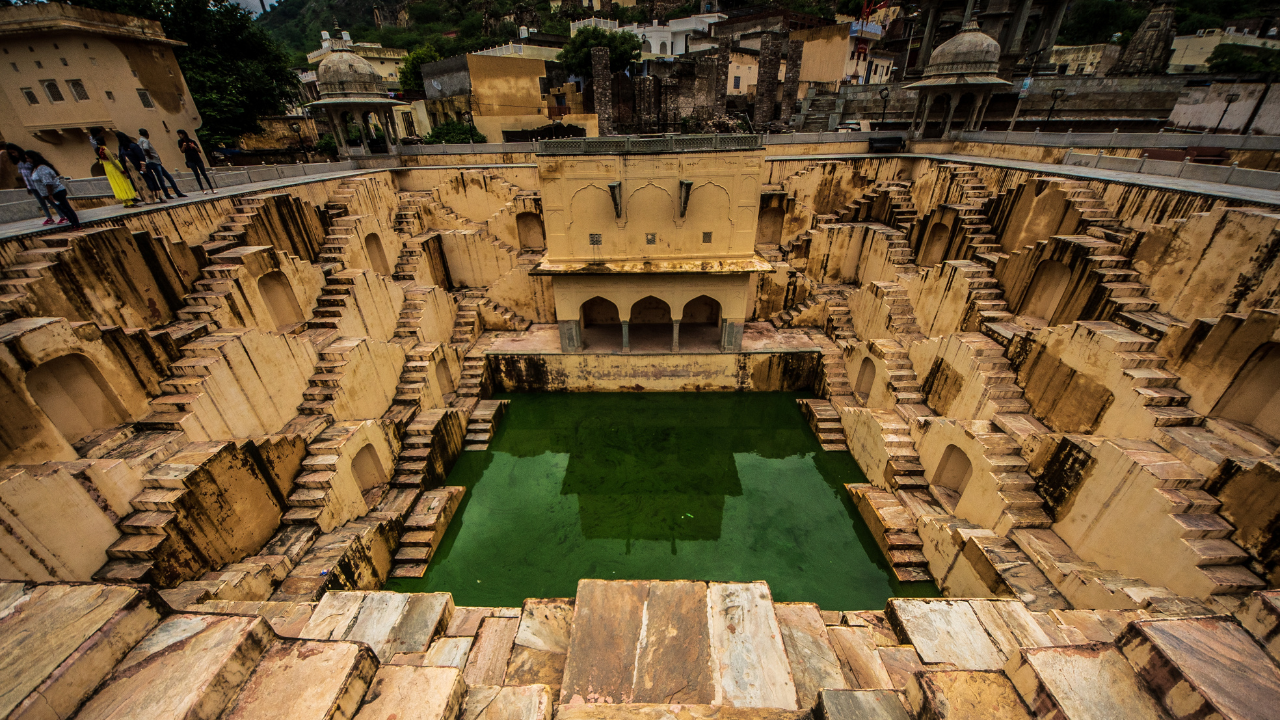
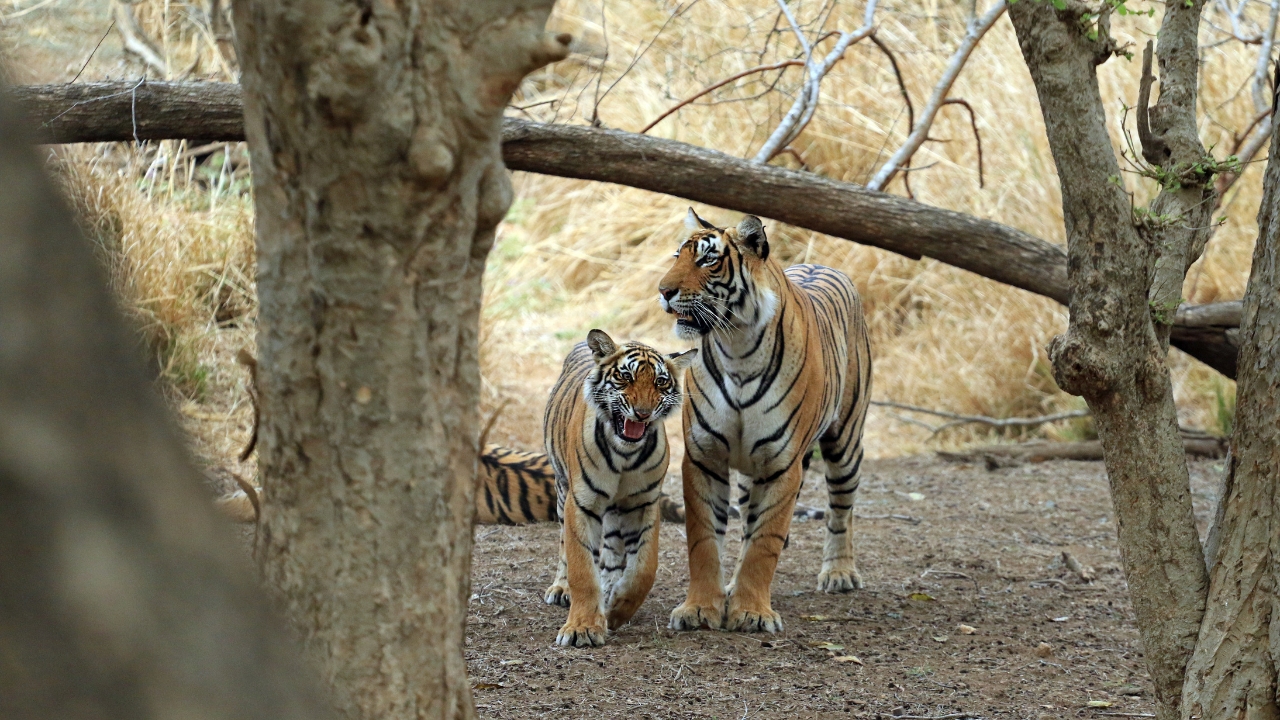
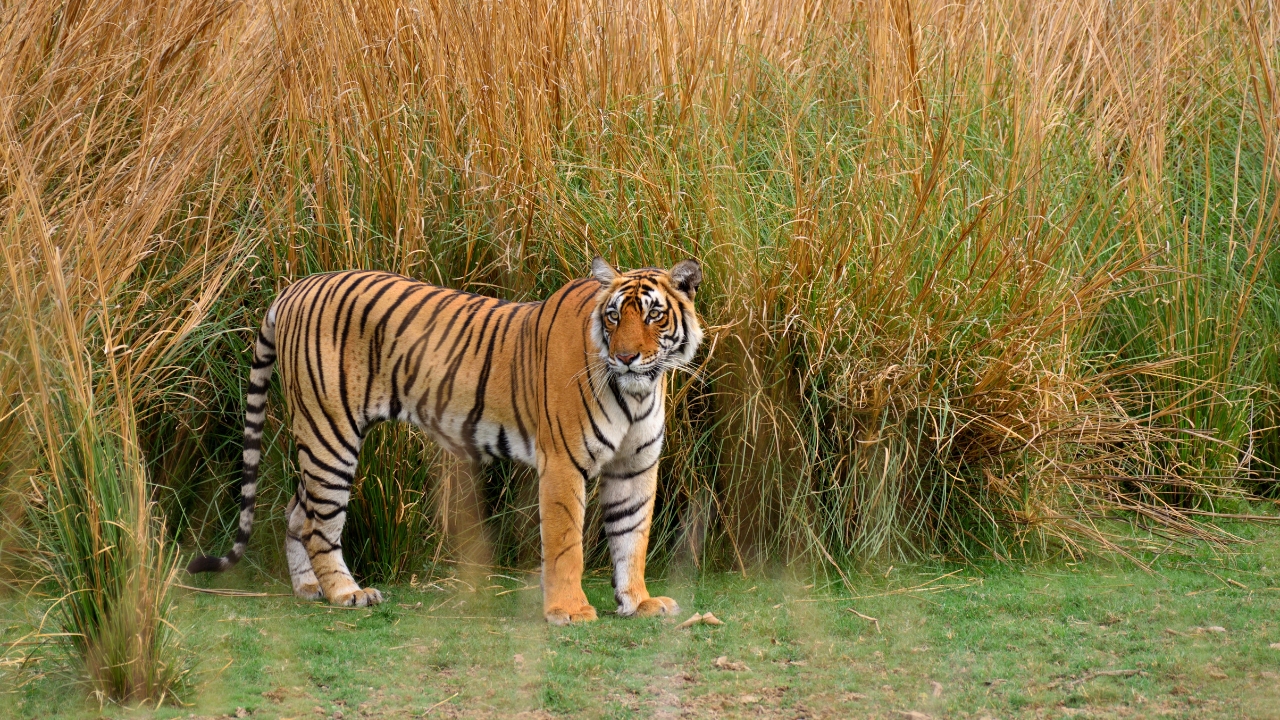
Travelers looking beyond the city can also discover several tourist places near Jaipur including Samode Palace, Abhaneri Stepwell, Bhangarh Fort, Chand Baori, Sambhar Lake, and Ranthambore National Park.
These destinations make excellent additions to a Rajasthan travel itinerary.
For visitors seeking convenience and flexibility, a Jaipur sightseeing tour by car offers one of the most comfortable ways to explore the city’s major attractions. Private transportation allows travelers to customize their itinerary, travel at their own pace, and enjoy a hassle-free sightseeing experience.
From royal palaces and ancient observatories to colorful bazaars and historic forts, there are countless Jaipur places to visit that showcase the city’s rich cultural and architectural heritage.
Each attraction offers a unique perspective on Jaipur’s fascinating history and royal legacy.
Our goal is to help every traveler experience the best of Jaipur in a comfortable, enjoyable, and memorable way.
Absolutely.
A sightseeing journey through Jaipur allows visitors to experience royal forts, magnificent palaces, scientific wonders, cultural landmarks, vibrant markets, and centuries of fascinating history. The city offers an exceptional blend of heritage and modernity, making it one of India’s most rewarding travel destinations.
Whether you are interested in architecture, photography, culture, shopping, or history, Jaipur offers unforgettable experiences for every type of traveler.
Most sightseeing tours include visits to major attractions such as Amber Fort, Hawa Mahal, City Palace, Jantar Mantar, Jal Mahal, and Nahargarh Fort.
One to three days are generally sufficient to explore the city’s major attractions comfortably.
The period from October to March is considered ideal due to pleasant weather conditions.
Yes, most tours can be customized based on individual interests, schedules, and travel preferences.
Many sightseeing packages include private or shared transportation options.
Professional local guides can be arranged to provide detailed information about monuments and historical sites.
Yes, Jaipur is a family-friendly destination with attractions suitable for visitors of all age groups.
Comfortable clothing and walking shoes are recommended, especially when visiting forts and large monuments.
Yes, a well-planned itinerary can cover the city’s major attractions within a single day.
Ticket inclusions vary depending on the selected tour option and package details.
Discover the royal beauty, fascinating history, and cultural richness of Rajasthan through our professionally organized sightseeing tours. Explore Jaipur’s iconic landmarks, architectural masterpieces, and hidden gems while creating unforgettable travel memories in the Pink City.
Want to experience the authentic side of the Pink City on foot? Explore our Jaipur Walking Tour and discover hidden lanes, local markets, historic temples, and the cultural heart of old Jaipur.
2 Days Tour

3 Days Tour
One Day Tour
Day Tour
One Day Tour
One Day Tour
One Day Tour