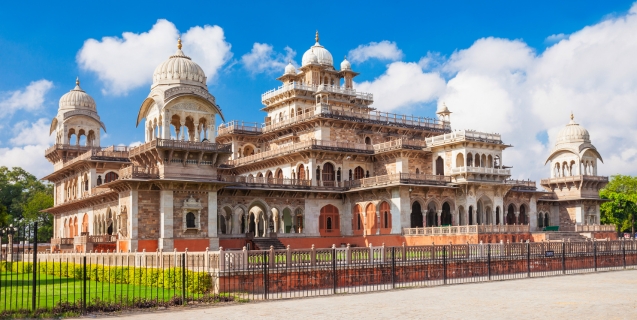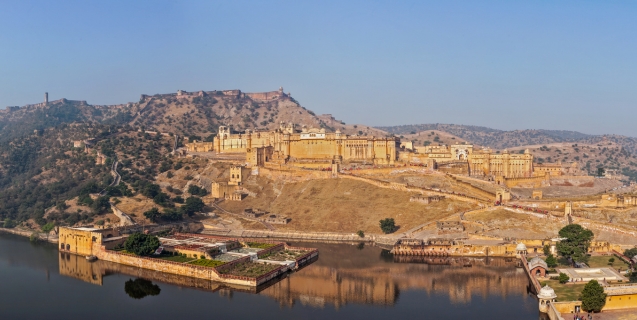
Located in the heart of Jaipur within the beautiful Ram Niwas Garden, Albert Hall Museum is one of Rajasthan’s most important cultural landmarks and the oldest museum in the state. Renowned for its magnificent Indo-Saracenic architecture, historical collections, ancient artifacts, and artistic treasures, the museum offers visitors a fascinating journey through Rajasthan’s rich heritage and history.
Constructed during the late 19th century, Albert Hall Museum was originally envisioned as a town hall before being transformed into a museum showcasing art, culture, craftsmanship, and historical artifacts from Rajasthan and around the world. Today, it serves as the State Museum of Rajasthan and remains one of Jaipur’s most visited attractions.
Whether you are a history enthusiast, art lover, student, photographer, or cultural explorer, Albert Hall Museum provides an unforgettable experience that combines architecture, history, archaeology, and artistic excellence under one roof.
| Information | Details |
|---|---|
| Location | Ram Niwas Garden, Jaipur |
| Established | 1887 |
| Architect | Samuel Swinton Jacob |
| Famous For | Historical Artifacts & Egyptian Mummy |
| Architecture Style | Indo-Saracenic |
| Time Required | 2–3 Hours |
| Best Time to Visit | October to March |
| Ideal For | Families, Students, History Lovers |
Albert Hall Museum is much more than a museum. It is a treasure house of Rajasthan’s cultural heritage, preserving thousands of artifacts that tell the story of India’s artistic, historical, and social evolution.
The museum houses an extraordinary collection of paintings, carpets, sculptures, metalwork, pottery, jewelry, weapons, coins, textiles, musical instruments, and decorative arts. Among its most famous attractions is an Egyptian mummy, which continues to fascinate visitors from across the world.
Visitors come here to:
The history of Albert Hall Museum dates back to 1876 when the foundation stone was laid during the visit of Albert Edward, the Prince of Wales, who later became King Edward VII. The building was named in his honor and was designed by British architect Samuel Swinton Jacob with assistance from Mir Tujumool Hoosein.
Initially, Maharaja Ram Singh envisioned the structure as a town hall. However, his successor Maharaja Madho Singh II decided that the building should serve as a museum dedicated to the arts and crafts of Jaipur. The museum officially opened to the public in 1887 and quickly became an important center for preserving and showcasing Rajasthan’s artistic traditions.
Over the years, Albert Hall Museum expanded its collections and established itself as one of India’s most respected museums. Following major renovations, it continues to serve as an educational and cultural landmark attracting visitors from around the world.
One of the museum’s greatest attractions is its stunning architecture.
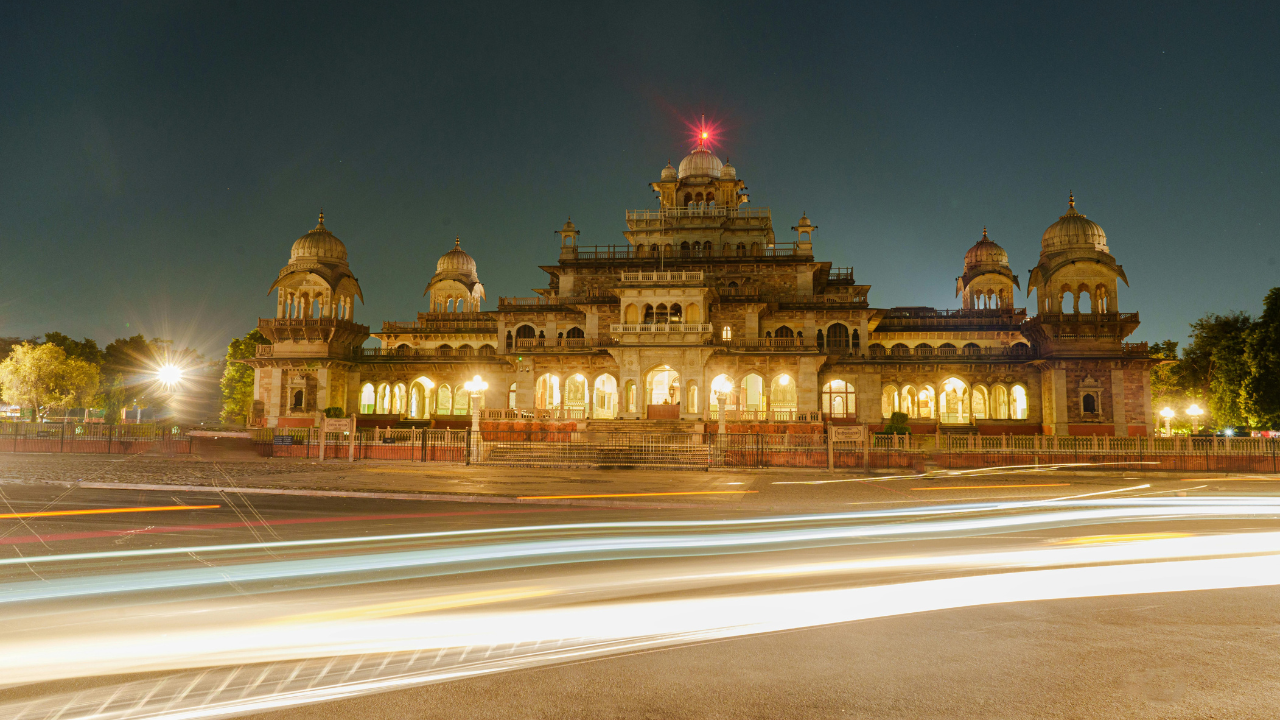
Albert Hall Museum is a remarkable example of Indo-Saracenic architecture, a style that combines Indian, Mughal, Rajput, and Victorian design influences. The building features elegant domes, decorative arches, intricate carvings, ornate corridors, and beautifully designed galleries.
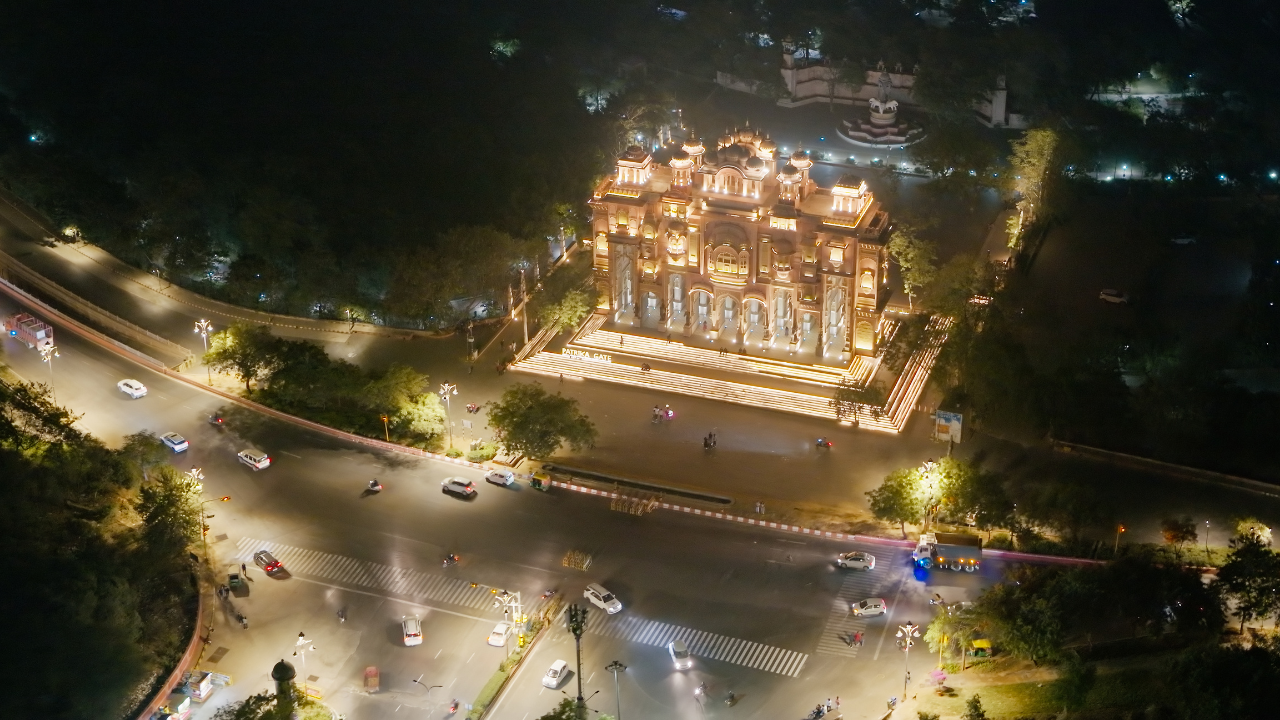
Constructed using stone and marble, the museum’s exterior is equally impressive during both daytime and nighttime. In the evening, the illuminated building becomes one of Jaipur’s most photographed monuments.
The museum’s most famous exhibit is its Egyptian mummy, attracting thousands of visitors every year.
This rare artifact offers a fascinating glimpse into ancient Egyptian civilization and remains one of the museum’s biggest highlights.
The museum houses an extensive collection of ancient coins from various dynasties including Mughal, British, Gupta, and Sultanate periods.
Visitors can observe the evolution of currency through different eras of Indian history.
One of the museum’s most admired collections includes historical carpets and textiles.
The famous Persian Garden Carpet is considered one of the museum’s most valuable treasures.
The museum showcases remarkable stone, marble, and metal sculptures representing different historical periods and artistic traditions.
Visitors can explore traditional weapons, shields, armor, and military artifacts that reflect Rajasthan’s royal and martial history.
This gallery features traditional Indian musical instruments and highlights the rich cultural heritage of Rajasthan.
Discover artifacts spanning centuries of Indian and international history.
Witness one of Rajasthan’s most unique museum exhibits.
Observe intricate details of one of Jaipur’s finest architectural landmarks.
Enjoy a relaxing walk through the beautiful gardens surrounding the museum.
The museum offers excellent photography opportunities, especially during sunset and nighttime illumination.
Gain deeper insight into the region’s history, art, and craftsmanship.
The museum generally operates throughout the year.
Night visits are particularly popular because of the beautifully illuminated exterior. Timings may change on special occasions, so visitors should confirm before visiting.
Entry fees may vary according to visitor category and government regulations.
Generally available categories include:
Visitors are advised to check current ticket rates before planning their visit.
The winter season provides pleasant weather and comfortable sightseeing conditions.
The period between 9:00 AM and 11:00 AM is ideal for exploring the galleries without large crowds.
Many travelers prefer visiting in the evening when the building is illuminated and offers excellent photography opportunities.
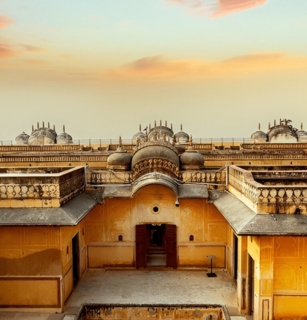
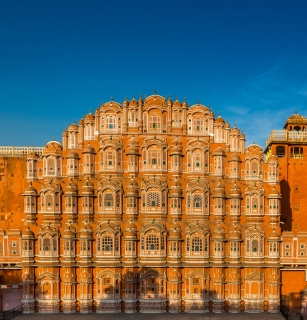
The iconic Palace of Winds and one of Jaipur’s most photographed landmarks.
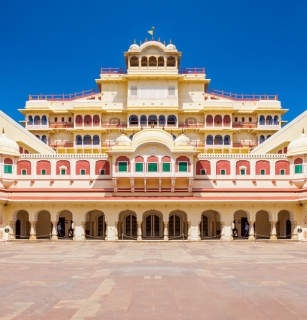
A magnificent royal residence showcasing Jaipur’s royal heritage.
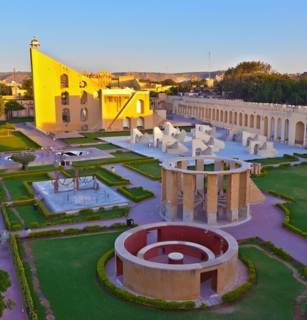
A UNESCO World Heritage Site featuring giant astronomical instruments.
A famous market known for gemstones, jewelry, textiles, and handicrafts.
One of Jaipur’s most important spiritual attractions.
Absolutely.
Albert Hall Museum is one of Jaipur’s most rewarding attractions for travelers interested in history, culture, architecture, and art. The combination of world-class collections, stunning architecture, historical significance, and educational value makes it an essential stop during any Jaipur visit.
From ancient artifacts and royal collections to the famous Egyptian mummy and spectacular architecture, Albert Hall Museum offers a unique cultural experience that cannot be missed.
It is famous for being Rajasthan’s oldest museum and for housing rare artifacts including an Egyptian mummy.
The museum was designed by Samuel Swinton Jacob.
The Egyptian mummy is considered the museum’s most famous exhibit.
The museum generally operates from 9:00 AM to 5:00 PM and again during evening hours for night visits.
Most visitors spend between 2 and 3 hours exploring the museum.
Photography is generally allowed in designated areas, subject to museum regulations.
October to March and morning hours are considered ideal.
It is located inside Ram Niwas Garden in Jaipur.
Yes, it is an educational and family-friendly attraction.
Yes, it is one of the most popular attractions included in Jaipur sightseeing itineraries.
2 Days Tour

3 Days Tour
One Day Tour
Day Tour
One Day Tour
One Day Tour
One Day Tour