



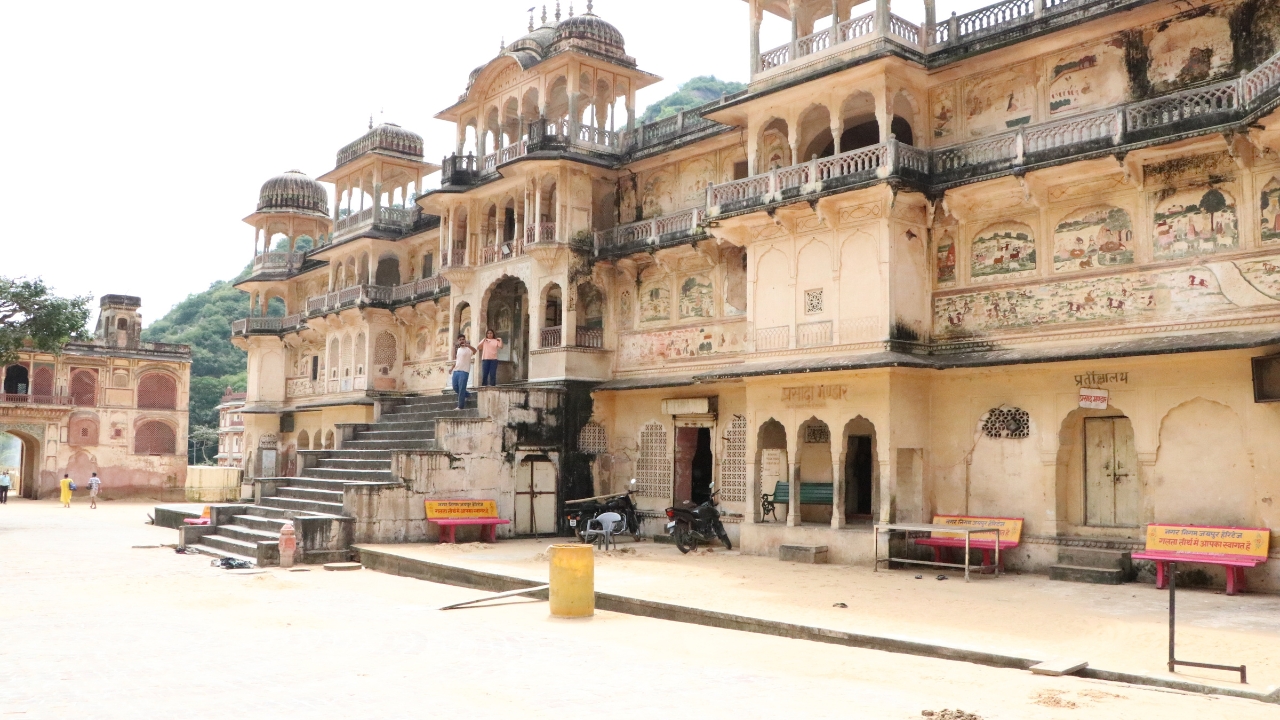
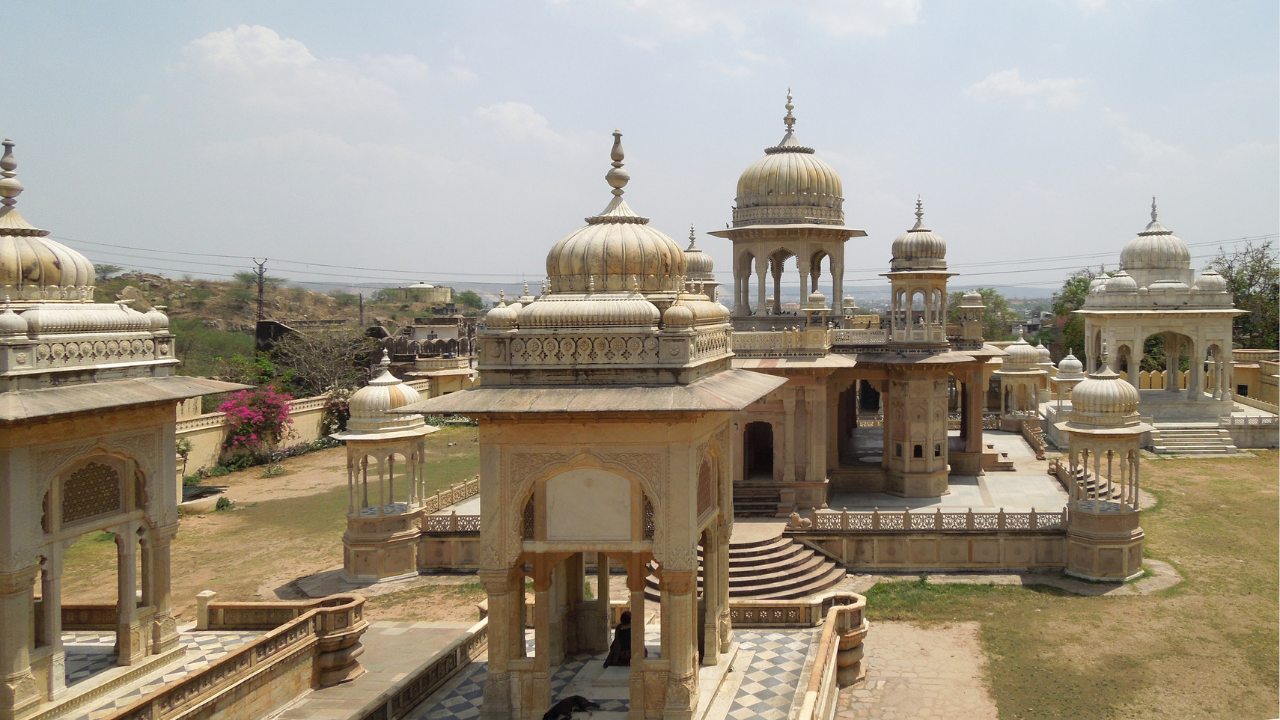

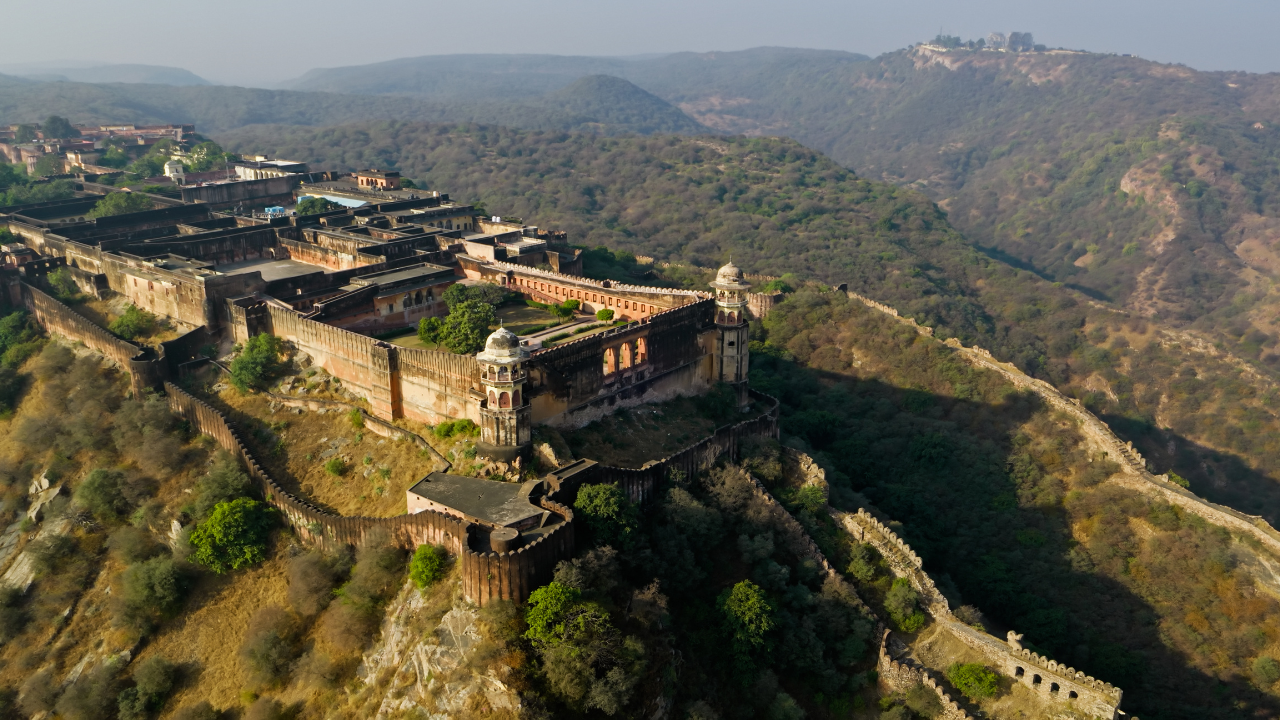







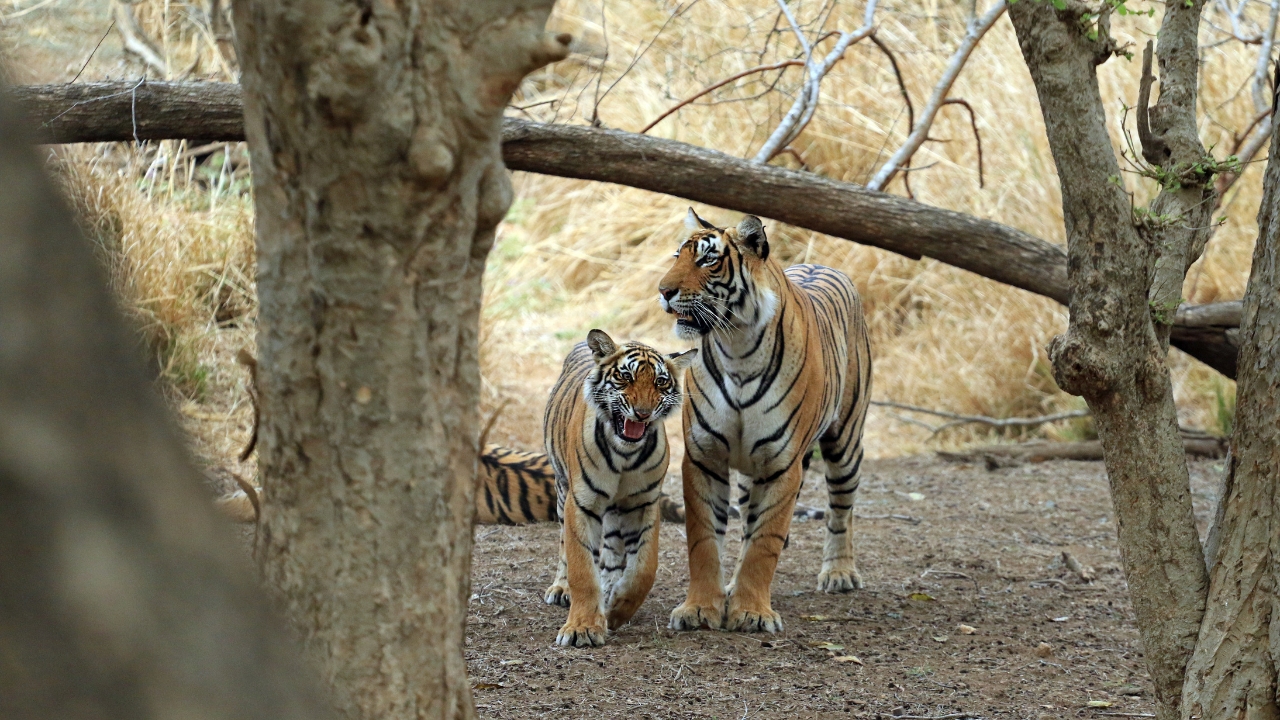


If you are staying in the Pink City and start feeling the itch for some adventure, there is really only one place that should be on your radar: Ranthambore. I’ve always felt that the transition from the royal palaces of Jaipur to the rugged, wild cliffs of Ranthambore is one of the best travel experiences you can have in Rajasthan.
But let’s be honest planning a jungle trip can feel like a bit of a headache. Between booking the right safari zone, figuring out the travel time, and actually trying to spot a tiger, there’s a lot to manage. That’s why choosing a solid Ranthambore Tour Package from Jaipur, like the ones organized by the team at Jaipur Tour Planner, is usually the smartest move. It lets you focus on the wildlife while someone else handles the logistics.
In this guide, I’m going to break down how to pick the best package, what to expect on the road, and a few “insider” tips to help you actually see a tiger (because let’s face it, that’s why we’re all going).
Why Choose a Ranthambore Tour Package from Jaipur?
The distance from Jaipur to Ranthambore is roughly 180 kilometers. If you drive yourself or take a private cab, it’s a smooth 3.5 to 4-hour journey.
Now, you could try to DIY this trip by booking a train to Sawai Madhopur and then hunting for a gypsy at the park gate, but I wouldn’t recommend it. Safari slots in Ranthambore are strictly limited and often sell out months in advance. A good tour package usually bundles your transport, a comfortable stay near the park, and—most importantly—your safari permits. It saves you from the “sold out” heartbreak at the last minute.
The Perfect 2-Day Itinerary
Most people find that a 2-day (1-night) trip is the sweet spot. Here is how a typical, well-organized package looks:
Day 1: The Drive and the Evening Safari
You’ll usually get picked up from Jaipur around 8:00 AM. This gets you to your resort in Ranthambore by noon—just in time for a quick lunch.
The evening safari starts around 2:00 PM or 3:00 PM (depending on the season). There is something magical about the jungle in the afternoon light. Even if the tigers are shy, seeing the sun set behind the ancient Ranthambore Fort is worth the price of admission alone.
Day 2: The Morning Chase and Return
This is the “Golden Hour.” You’ll be up at 5:30 AM for the morning safari. This is when the predators are most active. After about 3.5 hours in the wild, you head back for breakfast, check out, and drive back to Jaipur, reaching home by evening.
Choosing Your Ride: Jeep vs. Canter
When you book your package, you’ll be asked to choose between two types of vehicles:
The Gypsy (6-Seater): This is my personal favorite. It’s smaller, quieter, and can navigate the narrow, rocky paths much better than a bus. It’s great for photographers.
The Canter (20-Seater): Think of this as an open-top bus. It’s more budget-friendly and great if you’re traveling in a large group. You’re higher up, which actually gives you a pretty decent view over the tall grass.
When is the Best Time to Visit?
The park is open from October to June.
October to February: The weather is gorgeous. It’s cool, the jungle is lush and green after the monsoon, and it’s very comfortable.
March to June: It gets hot. Really hot. But ironically, this is the best time for tiger sightings. As the water holes dry up, the tigers have to come out into the open to drink at the remaining ponds. If you can handle the heat, you’ll likely see more action.
A Few Real-World Tips for Your Safari
Book Early: I cannot stress this enough. If you want the “premium” zones (Zones 1 to 5 are generally considered the best for sightings), you need to book your package at least 60–90 days in advance.
Layers are Life: If you’re going in winter, that morning wind in an open jeep will bite. Wear layers that you can peel off as the sun comes up.
Silence is Golden: Tigers have incredible hearing. I’ve seen many sightings ruined because someone got too excited and started shouting. Keep it down, and the tiger might stay around longer.
Colors Matter: Avoid bright neons. Stick to khakis, greens, and browns. You want to blend in, not look like a giant signal flare to the animals.
Conclusion
A trip from the city streets of Jaipur to the wild heart of Ranthambore is a bucket-list experience. While there’s never a 100% guarantee you’ll see a tiger (they don’t exactly follow a schedule!), a well-planned Ranthambore Tour Package from Jaipur significantly tips the scales in your favor. It takes the stress out of the travel so you can just enjoy the crisp morning air and the thrill of the hunt.
Frequently Asked Questions (FAQs)
How far is Ranthambore from Jaipur?
It is about 180 km, which takes roughly 3.5 to 4 hours by road. The roads are generally in good condition, especially the route via Tonk.
Which is better for a safari: Morning or Evening?
Both have their charms! Morning safaris are cooler and great for birdwatching, while evening safaris are often better in the summer months when animals head to the water holes as the day heats up.
Is a tiger sighting guaranteed in Ranthambore?
No, it is never guaranteed. It’s a natural forest, not a zoo. However, Ranthambore has one of the highest tiger densities in the world, so your chances are much higher here than in many other parks.
What should I carry on the safari?
Bring a valid ID (the same one used for booking), a good camera, binoculars, sunscreen, and a hat. In winter, definitely bring a heavy jacket and gloves for the early morning.
Can I visit Ranthambore during the monsoon?
The core zones (1–5) are closed from July to September. However, the buffer zones (6–10) often remain open, providing a very green and peaceful experience, though tiger sightings are rarer then.







11 Comments
idmuliajitu
August 23, 2026 at 11:45 pmFinally found a platform that actually delivers on its promises. The game variety is impressive and I had no issues with my registration. Check out idmuliajitu
cotablasdebingo
August 27, 2026 at 5:16 amBingo nights just got a whole lot better with this new addition. The chat rooms are lively and the moderators keep everything fun and safe. It brings that classic community vibe right to your screen. I am so glad I discovered this place and now I log in almost every evening! cotablasdebingo
krevos168
August 28, 2026 at 3:06 amFinally found a place that doesn’t lag during big wins. Great variety of games and the customer support is top notch. Check out krevos168 if you want a fair gaming experience.
kr21casino
August 29, 2026 at 7:27 pmI’ve tried many sites but this one has the best vibes. The games are fair and the payouts are quick. Loving my time at kr21casino so far!
bet55apk
September 7, 2026 at 11:25 amThe app is so convenient. I can play my favorite games anywhere and anytime without any glitches. Download bet55apk today!
br2nn
September 8, 2026 at 6:10 amI’ve tried a few sites lately but this one really stands out. The interface is smooth and the payouts are fast. Definitely checking out br2nn more often.
phbunos88
September 11, 2026 at 12:56 amReally impressed with the security and transparency of this platform. It feels safe to deposit and play here. Trust phbunos88
newjilislotgame
September 13, 2026 at 8:33 amFresh games and exciting bonuses every single day. It is hard to get bored when there is so much to explore at newjilislotgame
kr86
October 2, 2026 at 7:19 pmShort, sweet, and simple. Exactly how a gaming site should be. I love how fast the registration is on kr86.
jili30login
October 5, 2026 at 11:26 pmFinally a site that doesn’t lag during peak hours. The login process is quick and everything just works perfectly on my phone. I always use jili30login for my daily gaming sessions.
7gameasiaapk
October 11, 2026 at 12:20 pmThe app version is so much better than the browser. Installation was a breeze and the graphics are top notch. Great job on 7gameasiaapk.