



Most people think of India’s desert state as a place of scorching heat, dry sands, and blistering sun. If you share that mental picture, I have a beautiful secret to share with you: when the clouds arrive between July and September, Rajasthan completely sheds its dusty, golden skin and steps into an absolute fairy tale.
The transition is breath-taking. The rugged Aravalli mountain ranges turn into vibrant, emerald-green walls, the grand historic stone fortresses get washed clean by the showers, and the historic royal lakes fill up to their brims.
Planning a Jaipur Udaipur Tour Package during the rainy months is an incredible choice, but traveling in India during the wet season requires specific inside knowledge. Navigating the unique local weather patterns, choosing transport, and discovering hidden viewing spots make all the difference.
Before booking your tickets, let’s explore exactly what to expect on a monsoon journey from the Pink City to the City of Lakes.
Why the Rain Changes Everything in Rajasthan
The summer heat in this part of India can feel overwhelming for international travelers, often climbing well past 40°C (104°F). The arrival of the rainy season brings the temperature down to a highly comfortable 25°C to 35°C (77°F to 95°F). The air smells of fresh, wet earth, and the local evening breezes are incredibly refreshing.
Aside from the brilliant greenery, the biggest advantage of a monsoon trip is the lack of massive crowds. You can explore ancient palaces without navigating sea-to-sea tour groups, and high-end luxury heritage properties often drop their prices significantly. It is an ideal window for travelers seeking an authentic, slow-paced experience.
The Pink City in the Rain: Exploring Jaipur
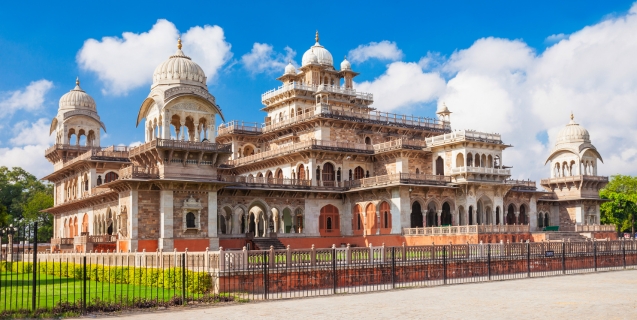
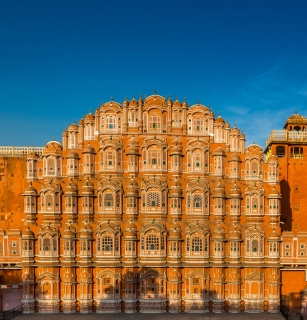
Jaipur acts as the magnificent gateway to your journey. The city’s famous pink terracotta walls take on a deeper, richer hue when wet, and the surrounding hills offer spectacular vantage points.
Watch the Clouds from Nahargarh Fort
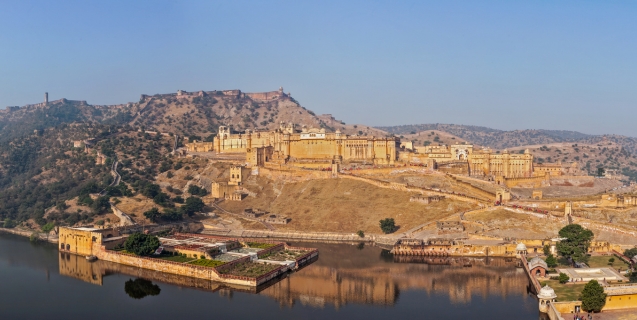
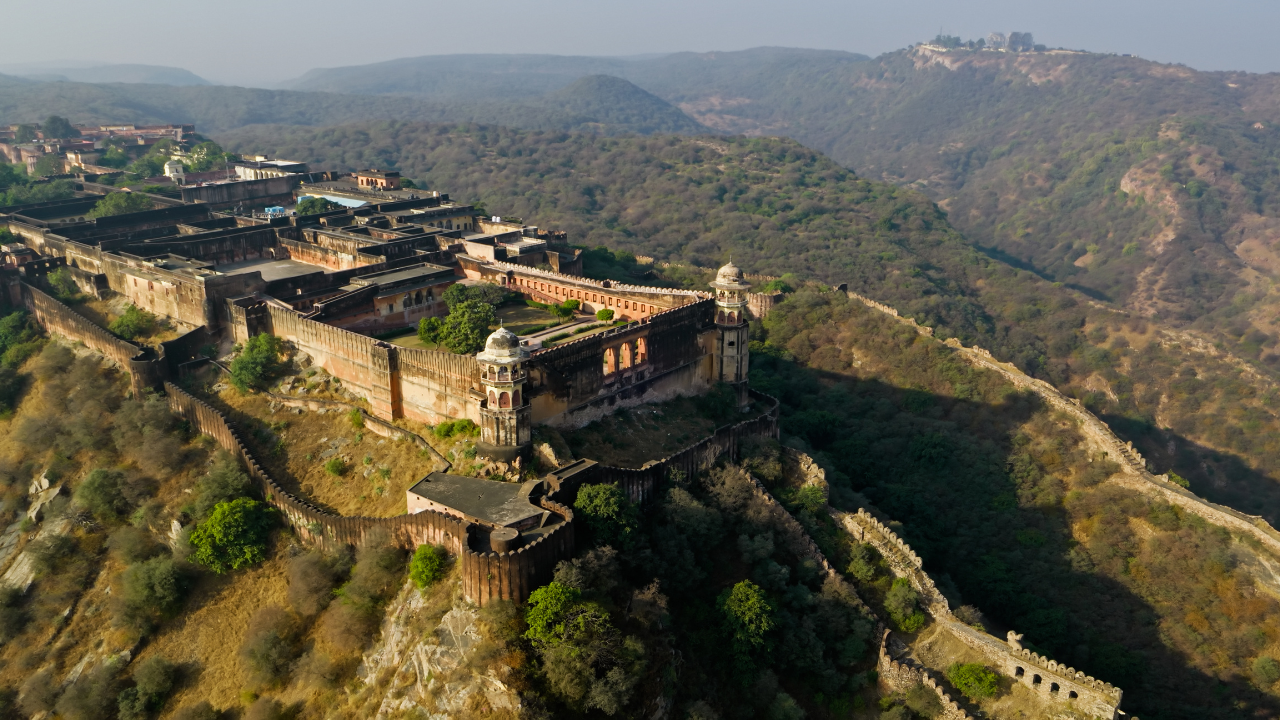
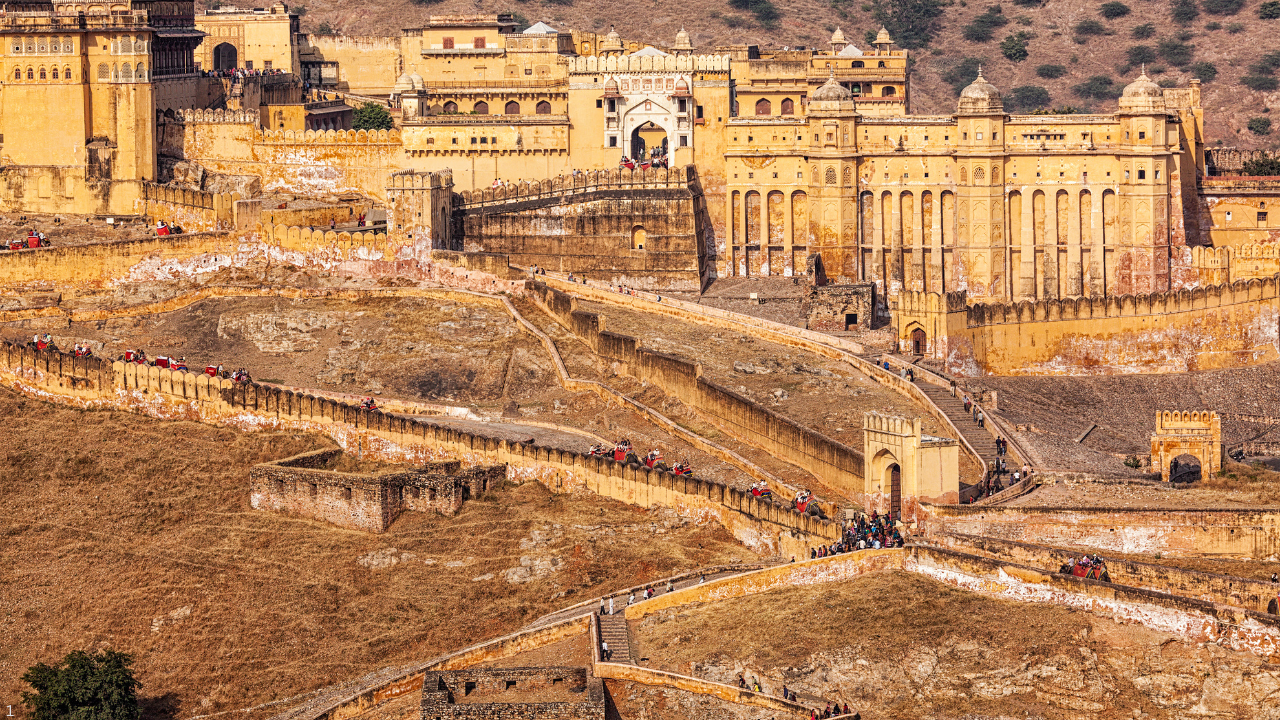
Perched high up on the rugged ridges of the Aravalli hills, Nahargarh Fort provides the most iconic view of Jaipur. During the monsoon, the winding road leading up to the fort becomes incredibly scenic, lined with dense, wet trees. Standing on the stone ramparts with the mist swirling around the fort walls while looking down at the entire sprawling city below is an unforgettable experience.
See the Floating Palace
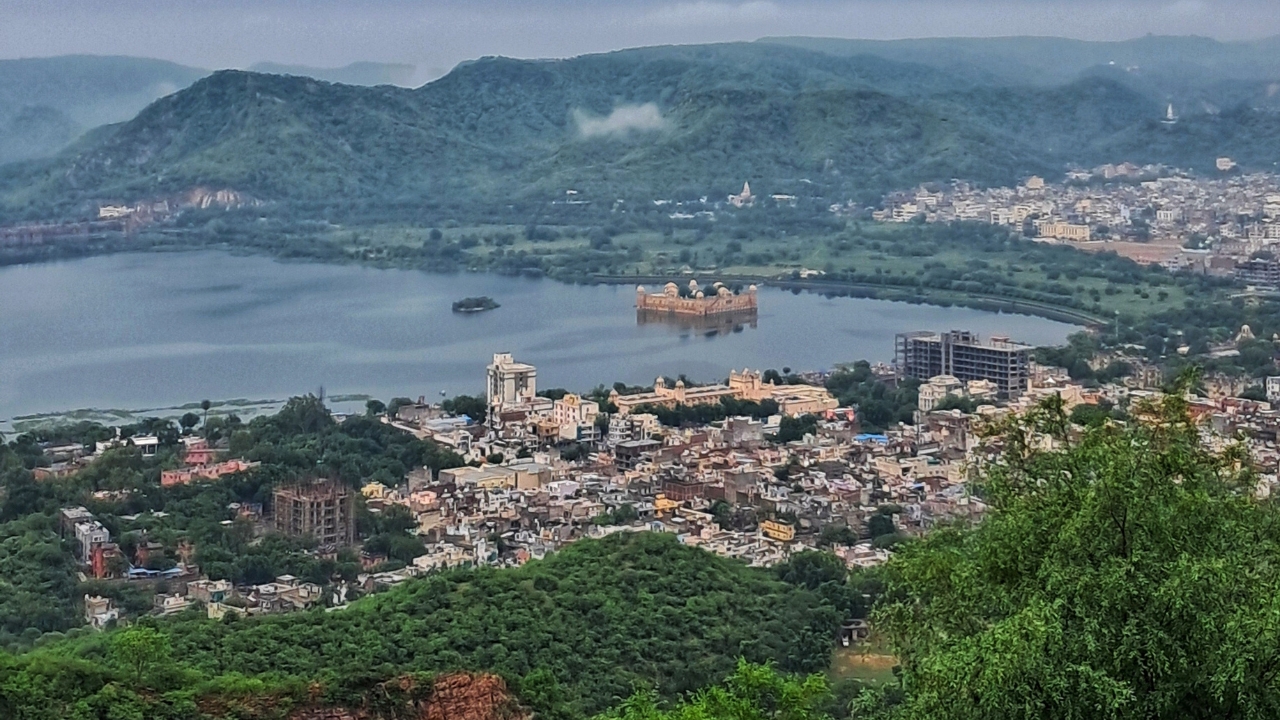
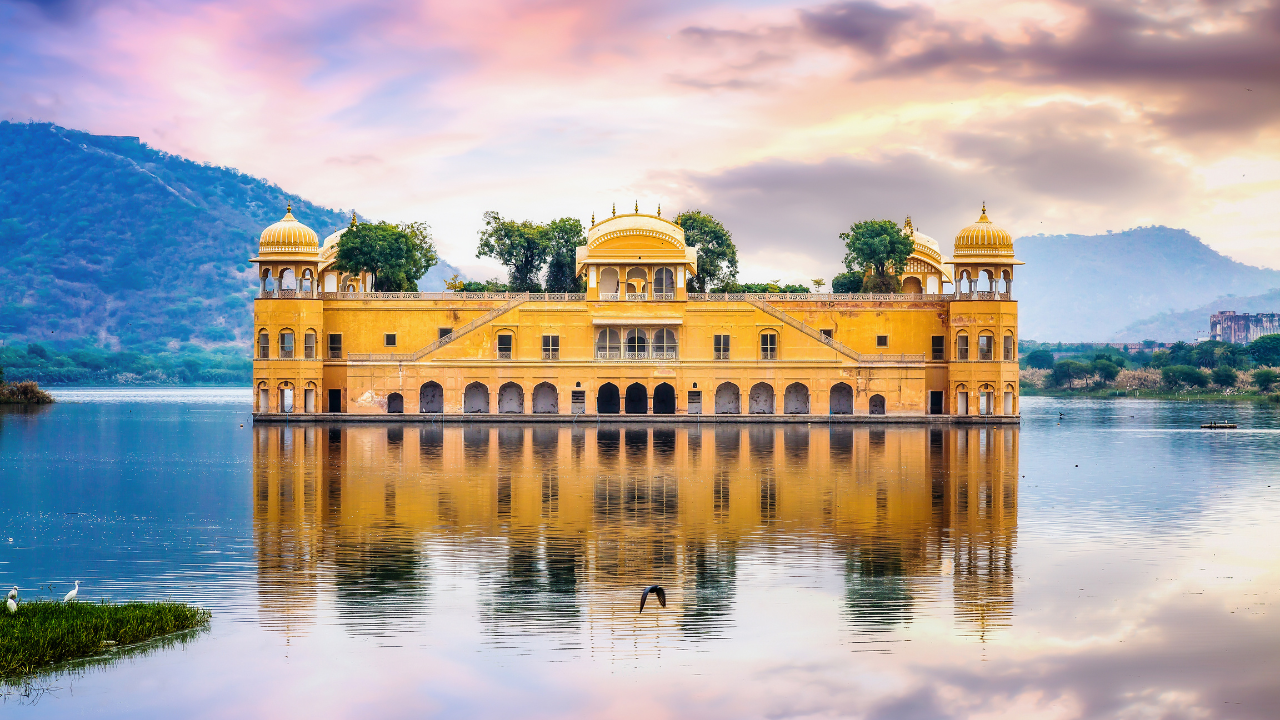
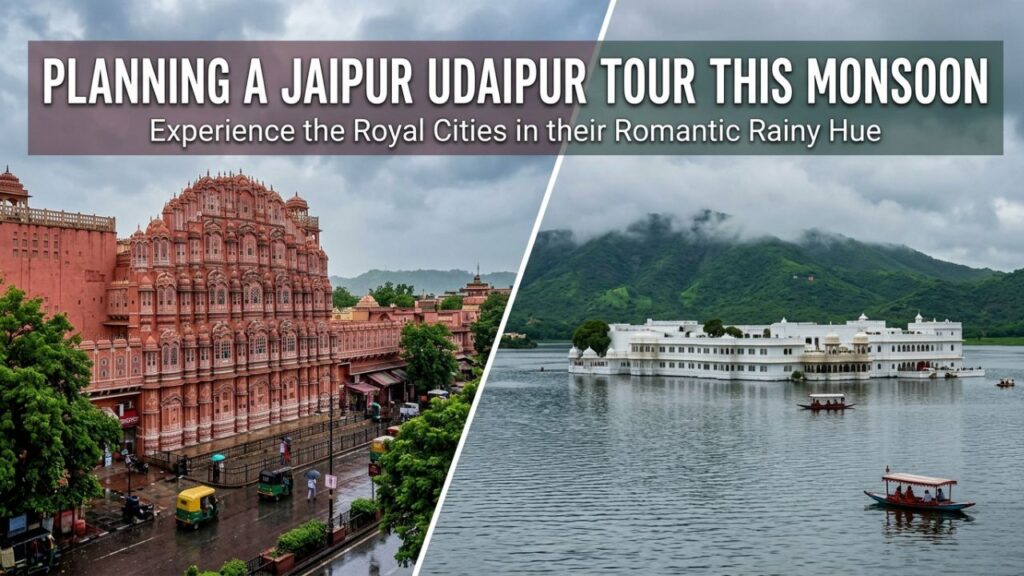
Jal Mahal, the beautiful water palace, sits quietly in the middle of Man Sagar Lake. In the dry months, the lake bed can look a bit low, but the rain fills the basin completely. The yellow sandstone palace appears to float effortlessly on the glass-like water surface. Stopping by the lakeside path at sunset to enjoy hot, roasted street corn while looking at the lit-up palace is a favorite local tradition.
The Ultimate Rainy Fairytale: Udaipur
While Jaipur is beautiful, Udaipur is the true crown jewel of the Indian rainy season. Because it is built directly around a complex system of interconnected lakes, the city comes alive when the water levels rise.
Standing Inside the Clouds at Sajjangarh
Universally known as the Monsoon Palace, this white marble structure sits high on a mountaintop overlooking the valley. It was originally built by a 19th-century king to track the path of monsoon clouds across his kingdom. When it rains, the low-lying clouds drift right through the open stone arches of the palace. It feels less like visiting a historical site and more like walking through a dream.
Sailing Across Lake Pichola
A boat ride across Lake Pichola is essential for any traveler, but experiencing it during a light drizzle adds an entirely new layer of magic. The historic Lake Palace in the center looks stunning against the moody gray skies. The boats are fitted with sturdy canvas roofs to keep you dry, allowing you to watch the raindrops dance across the water while enjoying the cool breeze.
Crucial Transport Tips: Driving Between the Cities
The distance between Jaipur and Udaipur is roughly 400 kilometers (250 miles). While overnight trains and short domestic flights are available, traveling by road is the absolute best way to experience the transforming countryside.
The rural highways wind past rolling hills, local step-farms, and seasonal waterfalls that disappear entirely during the rest of the year. However, monsoon driving in India requires a skilled, professional hand. Sudden downpours can occasionally cause minor waterlogging or slow down traffic on specific highway stretches.
To stay completely safe and flexible, avoid relying on public buses or self-driving rentals. Booking reliable Car Rental Services with an experienced, local driver ensures you have someone who knows the changing road conditions perfectly, can handle the rain easily, and can stop at scenic, off-the-beaten-path viewpoints along the way.
Perfect Options for Couples and Honeymooners
If you are planning a romantic getaway, this specific timing is unmatched. The combination of misty mountain forts, lakeside candlelit dinners, and luxurious heritage rooms makes it one of the most romantic settings in the world.
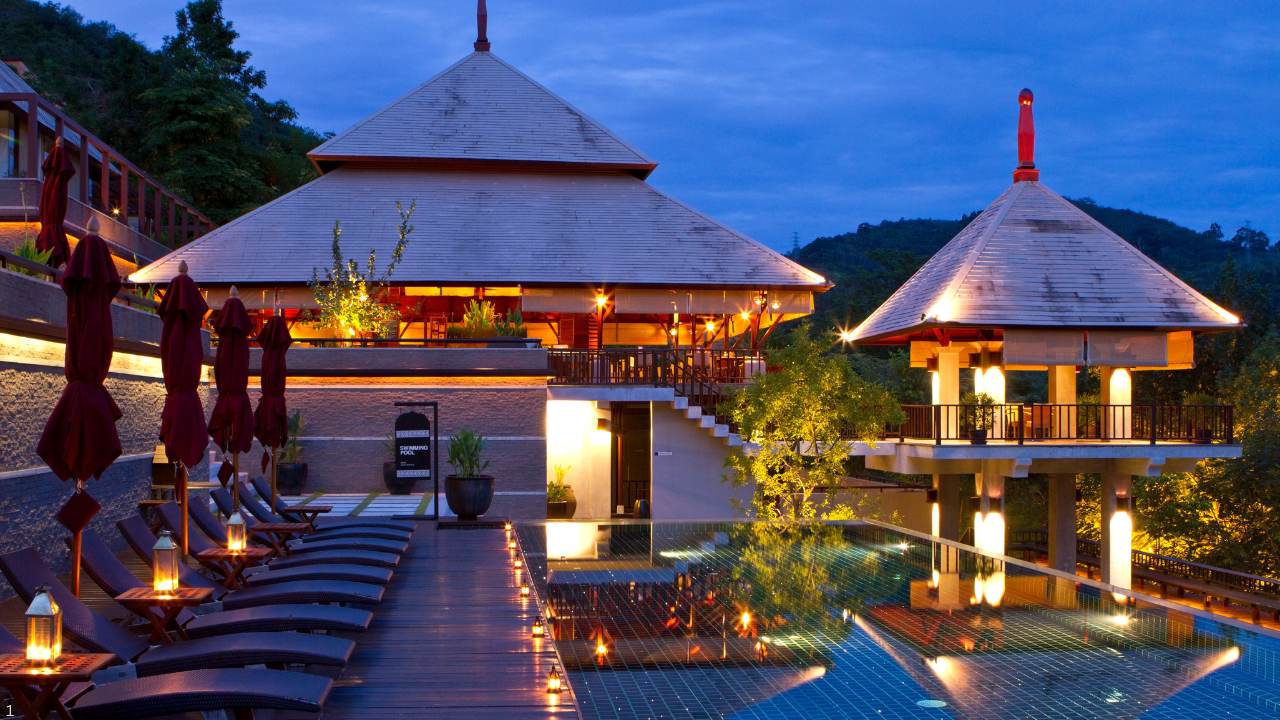
Many international couples choose specialized Honeymoon Packages during these months to take advantage of the quiet atmosphere. Imagine waking up in a boutique hotel room overlooking a rain-kissed lake, spending your afternoon exploring grand royal palaces without pushing through crowds, and ending your day with hot masala tea on a terrace as the rain falls softly over the water. It offers a sense of privacy and old-world charm that the busy winter season simply cannot match.
Practical Packing and Travel Tips for the Monsoon
To ensure your journey remains smooth and comfortable, keep these practical tips in mind:
Pack Light, Quick-Dry Clothing: The rainy season brings higher humidity. Opt for breathable, lightweight fabrics that dry quickly if you get caught in an unexpected shower.
Invest in Non-Slip Footwear: The ancient stone steps at historical forts and palaces can become incredibly slick when wet. Wear comfortable walking shoes or sandals with excellent rubber grip.
Protect Your Electronics: Keep a few reliable waterproof dry-bags in your daypack to shield your camera, phone, and travel documents during sudden afternoon downpours.
Bring Good Insect Repellent: The green landscapes mean mosquitoes are more active. Carry a high-quality repellent for your evening walks along the lakes.
Conclusion
Visiting Rajasthan during the monsoon is all about embracing a different, poetic side of India. By choosing a comprehensive Jaipur Udaipur Tour Package, arranging private Car Rental Services for a smooth road journey, or booking specialized romantic Honeymoon Packages, you are setting yourself up for an unforgettable adventure. Pack an umbrella, bring your camera, and get ready to see the desert state flash a surprising, beautiful shade of green.
Frequently Asked Questions
1. Does it rain constantly all day long during the monsoon in Rajasthan?
No, it rarely rains continuously all day. The typical monsoon pattern consists of short, heavy afternoon or evening downpours, followed by periods of clear, overcast skies. You will still have plenty of dry hours during the day for comfortable sightseeing and exploring the sights.
2. Are the famous boat rides in Udaipur safe and operational when it rains?
Yes, boat rides on Lake Pichola and Fateh Sagar Lake operate regularly during light and moderate rain. The tour boats are equipped with sturdy canvas roofs to keep passengers completely dry. Boat operators only pause services temporarily during rare, severe thunderstorms or unusually high winds for safety.
3. Are the major forts and palaces open during the rainy season?
Yes, all the primary historical monuments, palaces, and museums in both Jaipur and Udaipur remain completely open to the public throughout the monsoon months. However, certain wildlife safari zones in nearby national parks close temporarily for animal breeding seasons, so focus your itinerary primarily on heritage, architecture, and landscapes.
4. Is the road trip between Jaipur and Udaipur safe during the rains?
The national highway connecting Jaipur to Udaipur is well-maintained and wide, making it generally very safe. However, because heavy showers can occasionally cause minor traffic delays or reduce visibility, hiring a local private vehicle with a professional driver is highly recommended over self-driving.