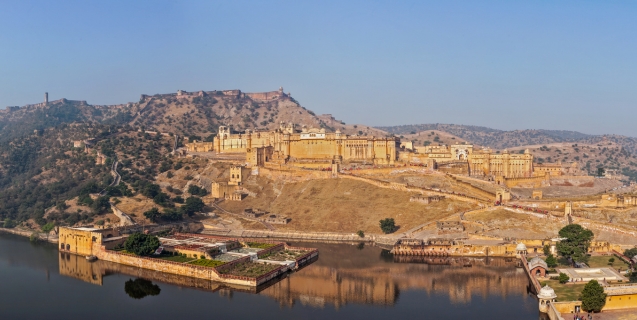
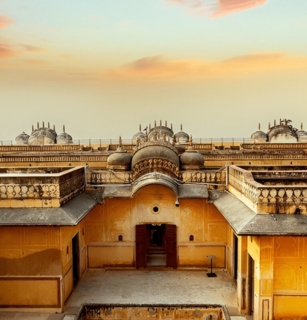

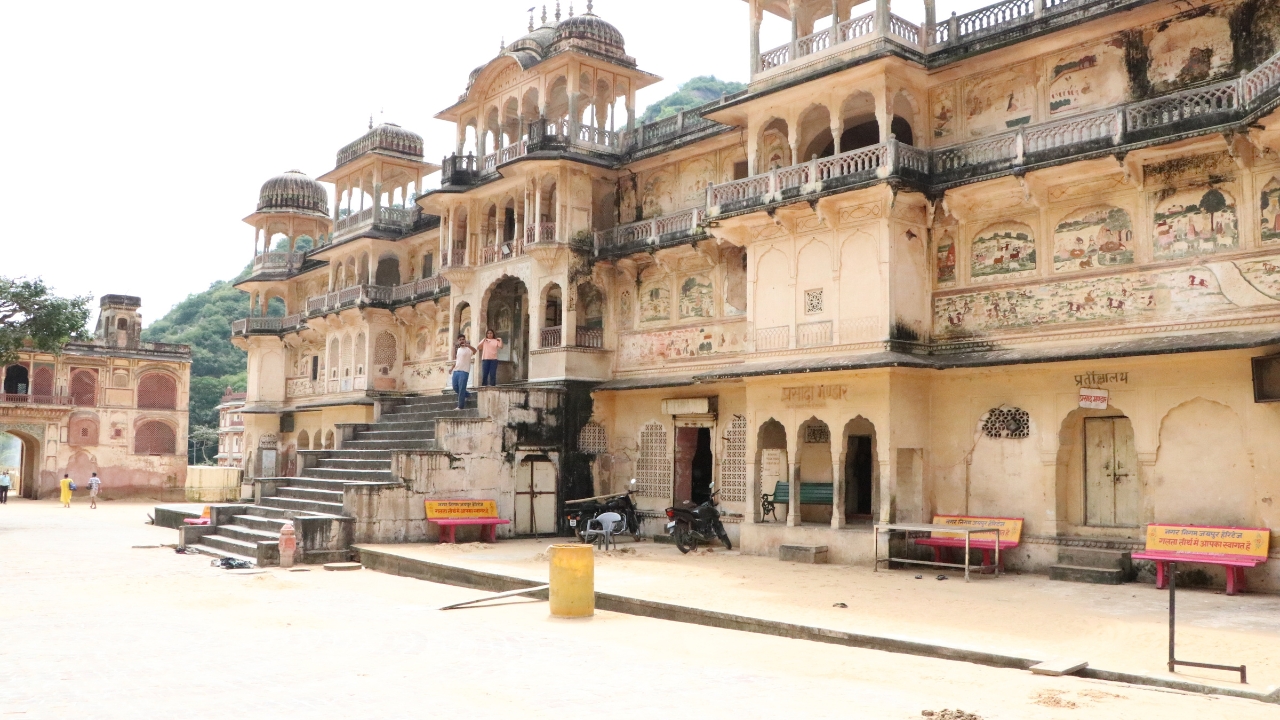
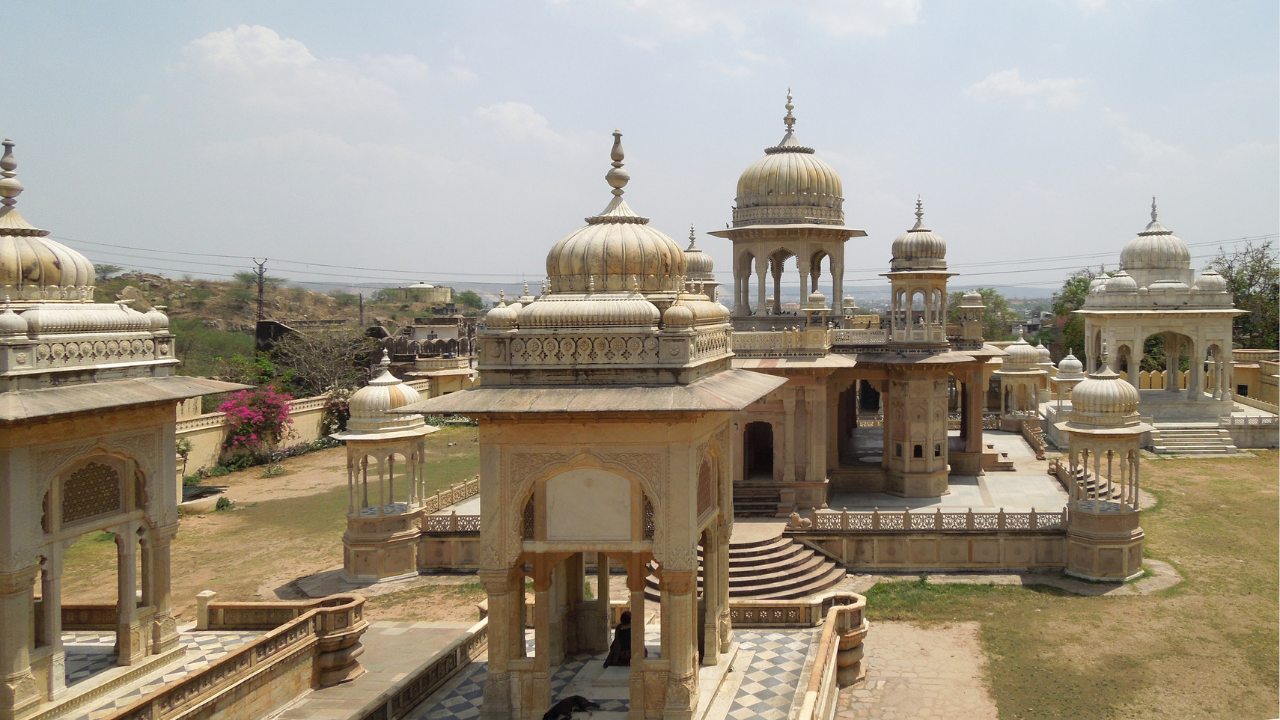



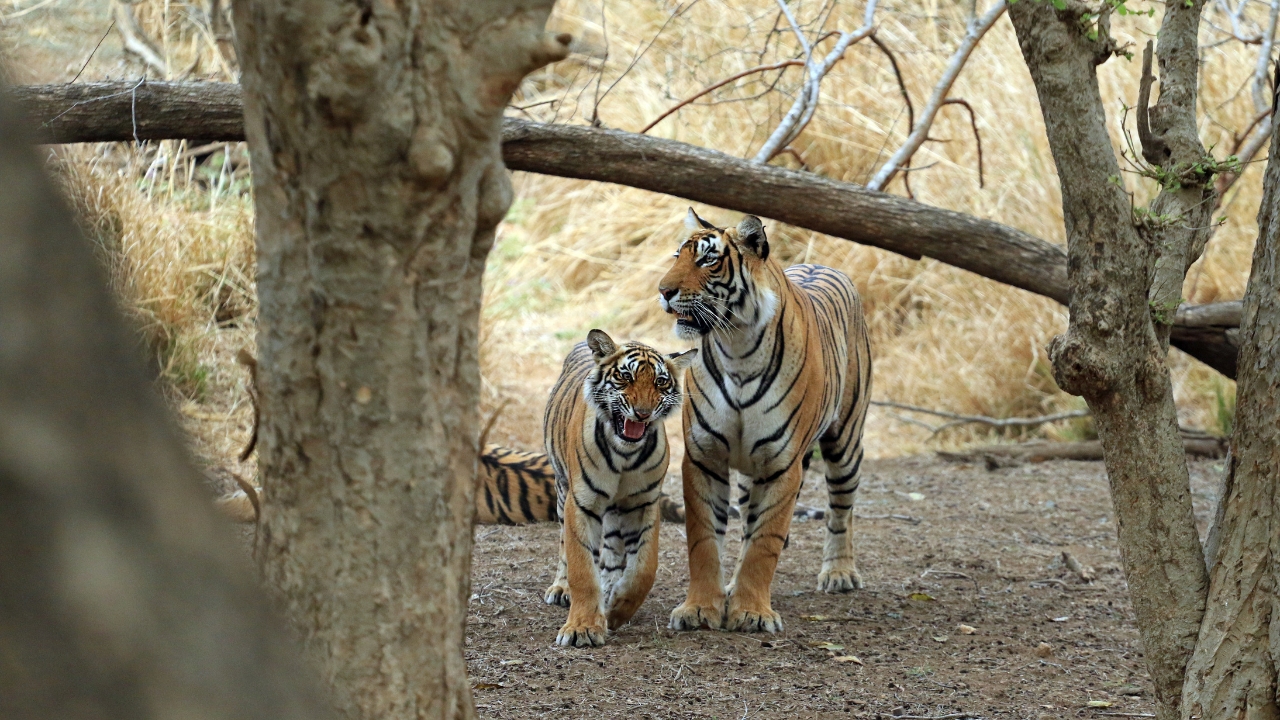
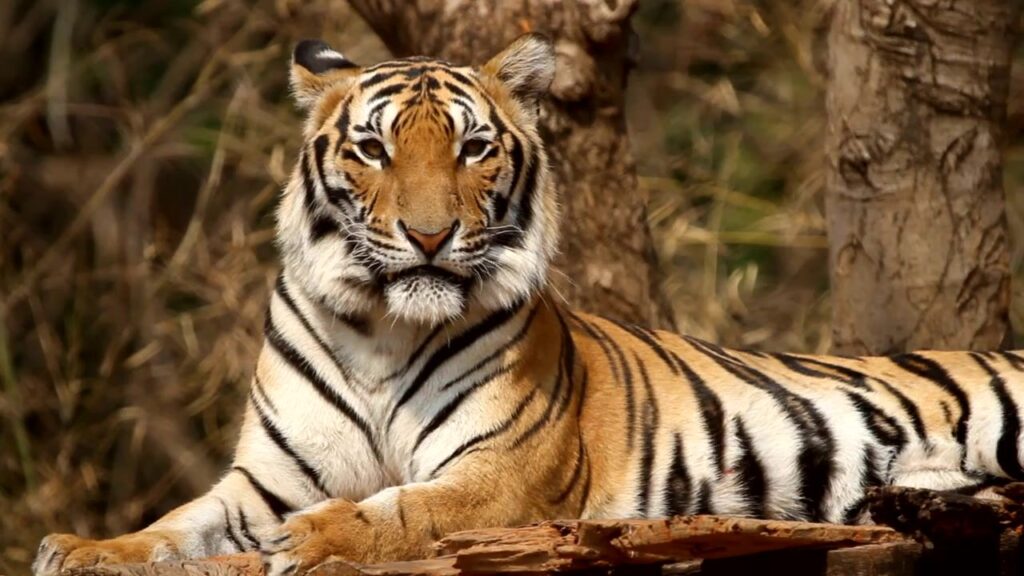
If you’ve ever dreamed of watching a tiger stride through golden grass while the sun dips behind ancient fort walls, Ranthambore is where that dream comes true. Tucked in the Sawai Madhopur district of Rajasthan, India, this place is not just a wildlife sanctuary — it’s an experience that stays with you long after you’ve left.
I’ve been asked countless times by international travelers: “Is Ranthambore really worth it?” Every single time, my answer is a loud, unqualified yes.
Whether you’re coming as a solo explorer, booking honeymoon packages for a romantic escape, or planning a family adventure through custom tour packages, Ranthambore has layers to it that most first-timers never expect. Let me walk you through the best places to visit and where to actually stay when you get there.
Why Ranthambore Deserves a Spot on Your India Itinerary
Ranthambore National Park is one of the best places in the world to spot Bengal tigers in the wild. But it’s more than that. You’ve got a 10th-century fortress sitting right inside the park, crocodile-filled lakes, and a landscape that shifts from lush green after monsoon to warm amber in the dry season. It’s dramatic and serene all at once.
Most international visitors combine it with a tour package by car from Jaipur (about 3 hours away) or Agra (around 4 hours), making it a natural fit within the Golden Triangle circuit.
Top 10 Places to Visit in Ranthambore
1. Ranthambore National Park (Core Zones)
Let’s start with the obvious one. The park is divided into 10 safari zones, but Zones 1 to 5 are considered the core area — prime tiger territory. Zone 3 (around Rajbagh) and Zone 4 (Lahpur) are especially popular. Early morning safaris here, with mist hanging over the lakes, feel almost cinematic.
Book your zone permits in advance. They sell out fast, especially October through March.
2. Ranthambore Fort
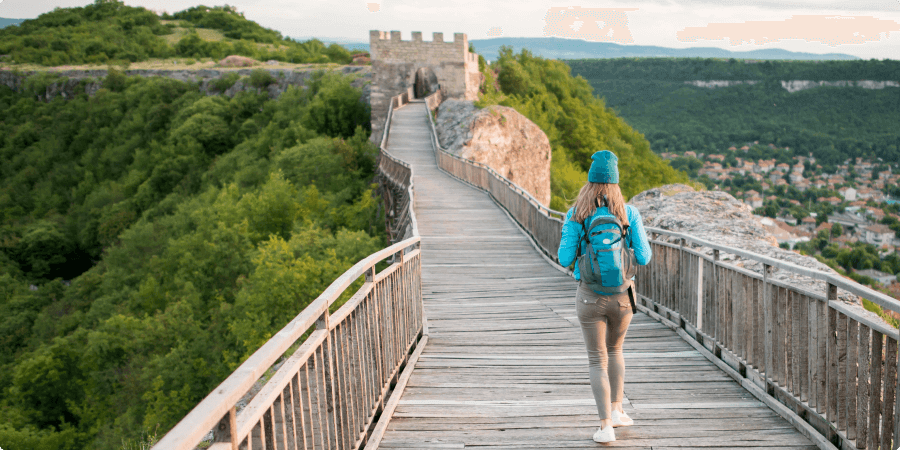
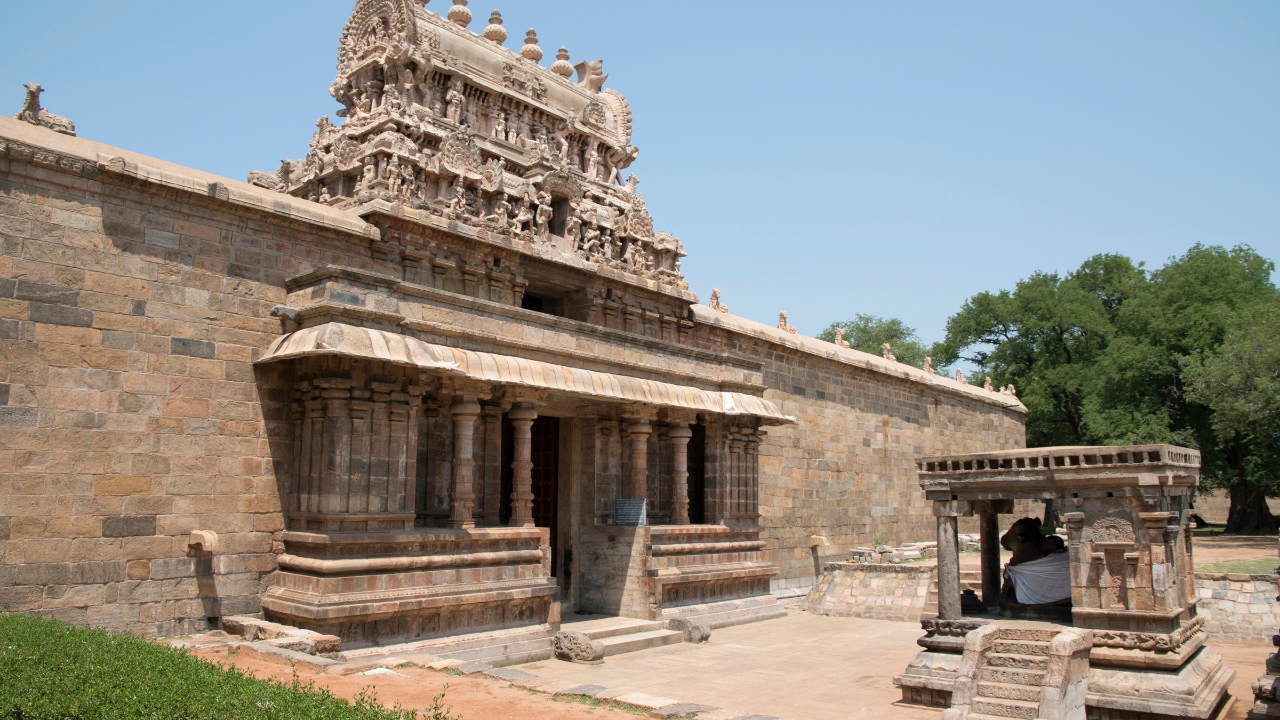
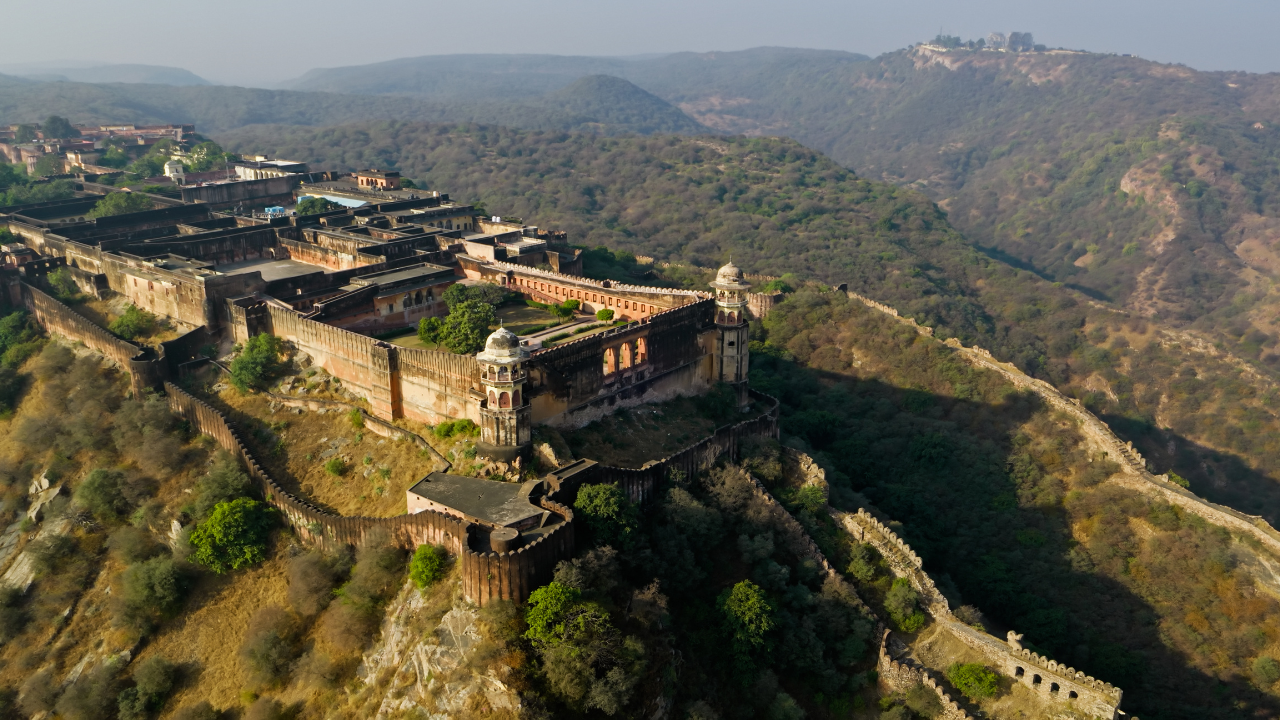
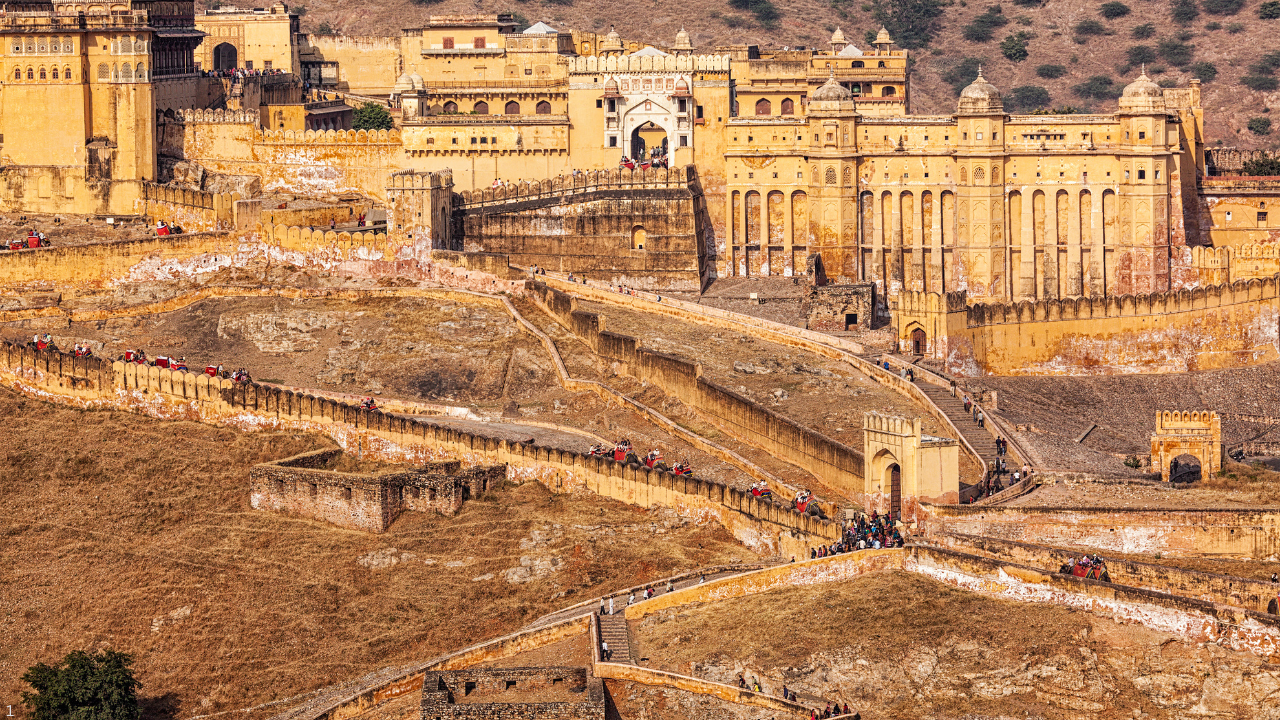
Sitting at the heart of the national park, this UNESCO World Heritage Site is breathtaking. Built in the 10th century, it towers over the jungle and offers panoramic views of the park below. You might even spot a leopard on the rocky slopes on your way up. The fort is also home to a small temple dedicated to Lord Ganesh, where locals come from miles around.
3. Padam Talao (Lotus Lake)
The largest lake in the park, Padam Talao is stunning at sunrise. Lotus flowers cover the surface in season, and mugger crocodiles bask along the edges. Tigers are frequently spotted here, coming down to drink. If your safari guide is worth their salt, this is one of the first spots they’ll take you.
4. Malik Talao
Smaller than Padam Talao, but incredibly rich in bird life. Painted storks, herons, kingfishers — if you’re even a little into birds, this will make your morning. It’s also a common haunt for marsh crocodiles, which gives the whole scene an edge.
5. Jogi Mahal
One of the oldest forest lodges in India, Jogi Mahal sits right inside the park near Padam Talao. You can’t stay here as a tourist (it’s reserved for government officials), but you’ll pass by it on jeep safaris and it makes for a gorgeous photograph against the old banyan tree — reportedly one of the second largest in India.
6. Trinetra Ganesh Temple
This temple sits within the fort complex and is deeply revered. Interestingly, it’s one of the only Ganesh temples where the deity is depicted with his entire family. Thousands of devotees visit annually. Even if you’re not religious, the atmosphere and the architecture make it worth the climb.
7. Kachida Valley
If you want to see leopards, bear (sloth bears specifically), and nilgai without fighting for space in a crowded safari zone, Kachida Valley is your answer. It’s quieter, less talked about, and absolutely stunning in the dry season when the rocky terrain turns a warm gold.
8. Surwal Lake
A bit outside the park, Surwal Lake is a seasonal wetland that attracts thousands of migratory birds between November and February. Flamingos, pelicans, and bar-headed geese make this a special stop for wildlife lovers who want something beyond the main park circuit.
9. Sawai Madhopur Town
People often skip the town entirely, which is a mistake. The local market here is lively and authentic — no tourist pricing, real Rajasthani street food, and handicraft shops selling things you won’t find in the polished souvenir stores of Jaipur. The town also has a small railway station that connects well to Delhi and Jaipur if you’re not going by road.
10. Raj Bagh Ruins
These ruins of an old royal hunting lodge sit near the edge of Raj Bagh Talao and are completely photogenic. Tigers have been famously photographed here, walking through crumbled archways. It’s one of those locations where the history and the wildness blur together in the best possible way.
Where to Stay in Ranthambore
This part matters a lot. The right hotel can make or break your experience — especially if you’re there on honeymoon packages or celebrating something special.
Luxury Options
Aman-i-Khás — If budget isn’t a constraint, this is the dream. Luxury tents with a butler, candlelit dinners under the stars, and private safari access. Couples booking romantic tour packages to Ranthambore frequently choose this as their base.
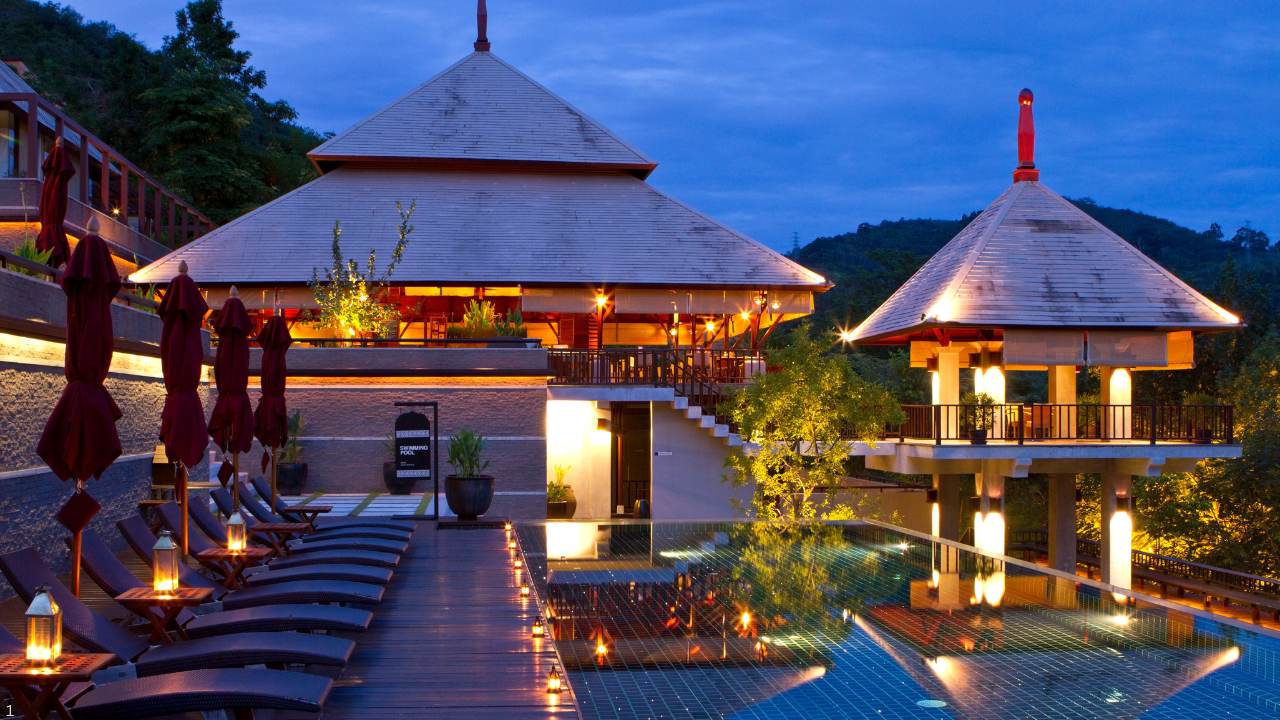
RAAS Ranthambore — A beautifully designed heritage-style resort. The pool area is gorgeous, the food is excellent, and the staff genuinely know the park inside out.
Mid-Range Stays
The Oberoi Vanyavilas — Often considered among the top jungle lodges in Asia. It’s consistently rated highly for couples, and the attention to detail here is exceptional.
Khem Villas — A family-run eco-resort with real warmth. The conservation work they do alongside wildlife photography safaris makes this a meaningful stay, not just a comfortable one.
Budget-Friendly Picks
Hotel Tiger Safari — Clean, well-located, and genuinely helpful staff who assist with safari bookings. Great value.
Ranthambore Regency — A reliable mid-budget option close to the park gate, with decent food and organized safari packages for groups.
Getting There: Tour Package by Car Is the Best Way
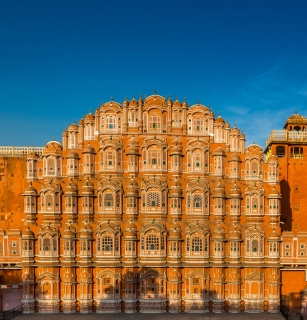
Most international travelers flying into India land in Delhi, then head south. A tour package by car connecting Delhi → Agra → Jaipur → Ranthambore is hands-down the most popular route, and for good reason. You get to see the Taj Mahal, explore the Pink City, and end with a proper wildlife adventure — all in one coherent trip.
The road from Jaipur to Ranthambore (about 180 km) is smooth and passes through classic Rajasthan countryside. Hiring a private car with a driver for the full circuit is comfortable, flexible, and lets you stop at places most tour buses don’t bother with.
Best Time to Visit
October to April is the sweet spot. The park closes during monsoon (July–September) when the jungle is impenetrable and tigers are harder to track. November through February is peak season — cooler weather, excellent tiger sightings, and the migratory birds at Surwal Lake are an added bonus.
Conclusion
Ranthambore isn’t just a tick on a wildlife checklist. It’s a place that shows you something raw and ancient — a tiger walking past a 1,000-year-old fort, a heron reflected in a lotus-covered lake, a sunset that turns the whole jungle copper. Whether you’re organizing honeymoon packages for a once-in-a-lifetime trip or building comprehensive tour packages around Rajasthan, adding Ranthambore is never a wrong call. And if you’re going to do it, do it properly — book a good zone, stay somewhere that knows the park, and give yourself at least two safari drives.
You’ll come back wanting more. That’s just what Ranthambore does.
Frequently Asked Questions (FAQs)
Q1. Is Ranthambore safe for international tourists?
Yes, absolutely. Ranthambore is one of the most visited national parks in India and is well set up for international visitors. Safari guides are trained, resorts have multilingual staff, and the overall infrastructure is solid.
Q2. How many days should I plan for a Ranthambore trip?
Two to three nights is the sweet spot. That gives you time for two or three safari drives across different zones, a visit to the fort, and some time to explore Sawai Madhopur town without feeling rushed.
Q3. Can I include Ranthambore in a Rajasthan honeymoon package?
Definitely. Many couples combine Jaipur, Udaipur, and Ranthambore into one romantic tour package that mixes culture, architecture, and wildlife. Several luxury resorts here are specifically designed for couples.
Q4. What’s the best way to book safari permits in advance?
You can book through the official Rajasthan Forest Department portal (rajasthanwildlife.in) or have your travel operator handle it as part of your tour package by car. Booking at least 3–4 weeks ahead during peak season is strongly recommended.
Q5. Which safari zone gives the best chance of spotting a tiger?
Zones 3, 4, and 5 are historically the most productive for tiger sightings. However, there’s no guarantee with wildlife — that unpredictability is part of the thrill. A good guide matters more than the zone itself.