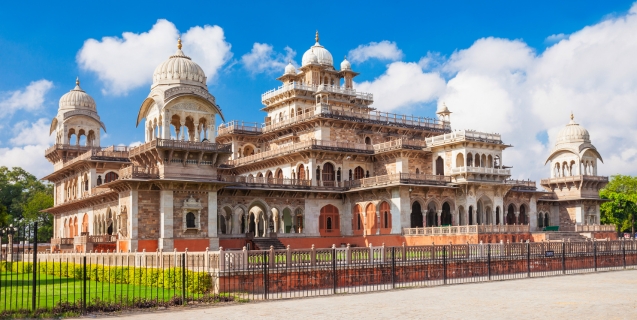
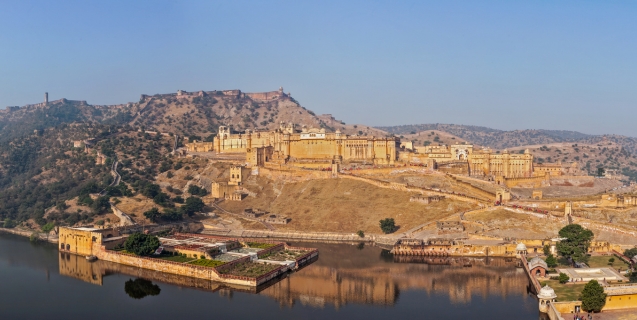
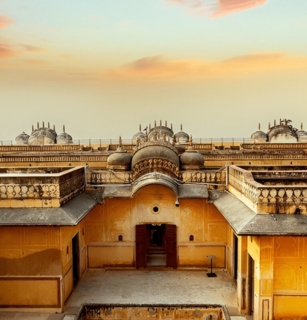

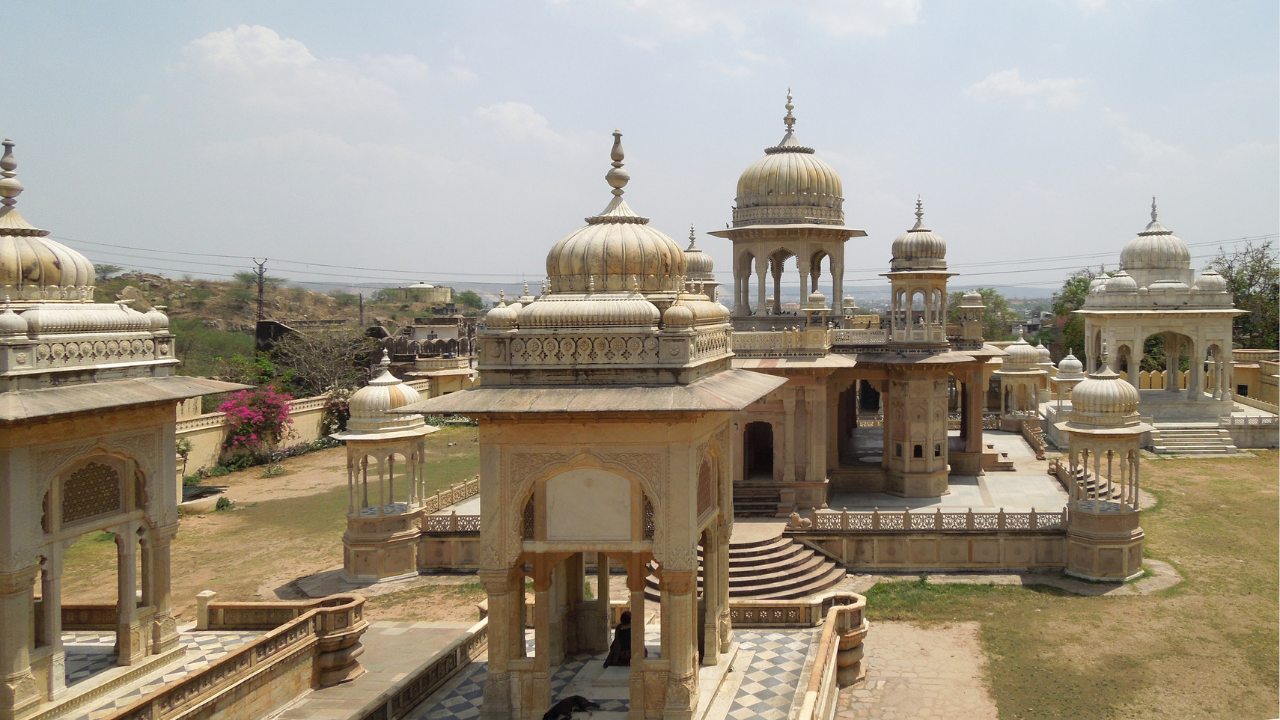
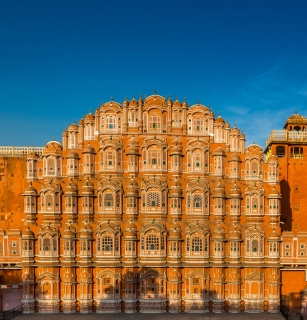

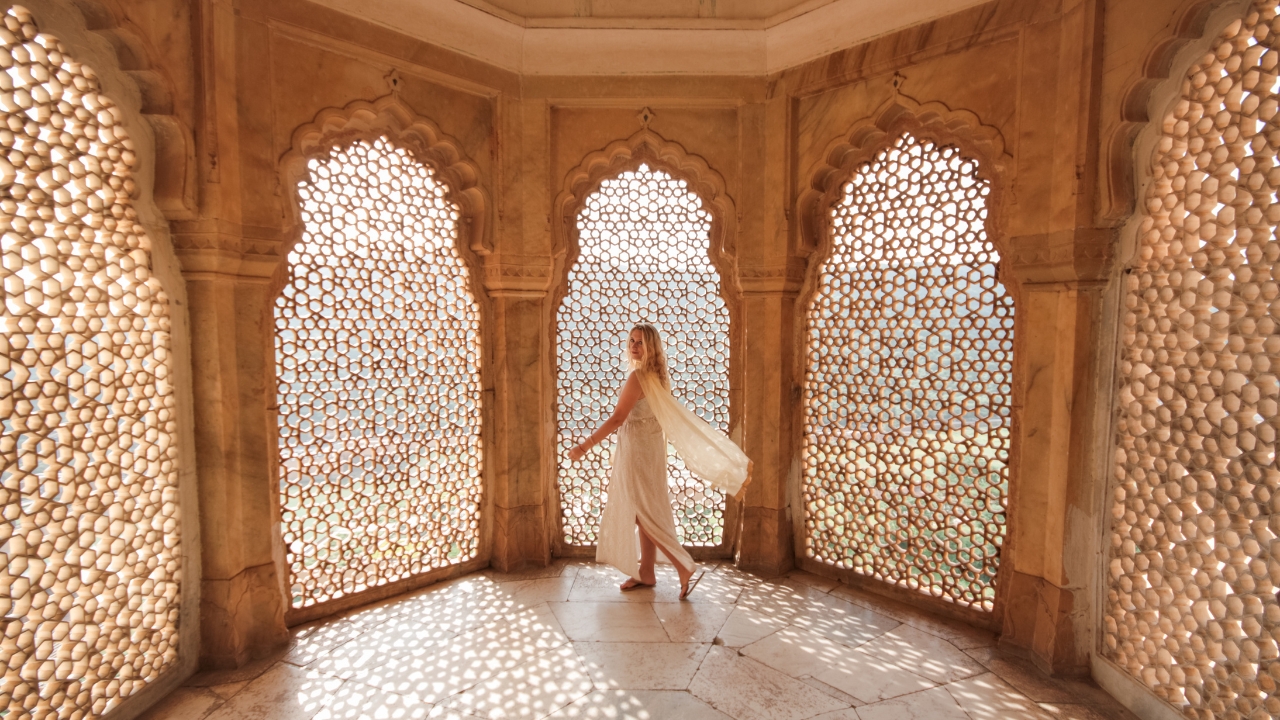
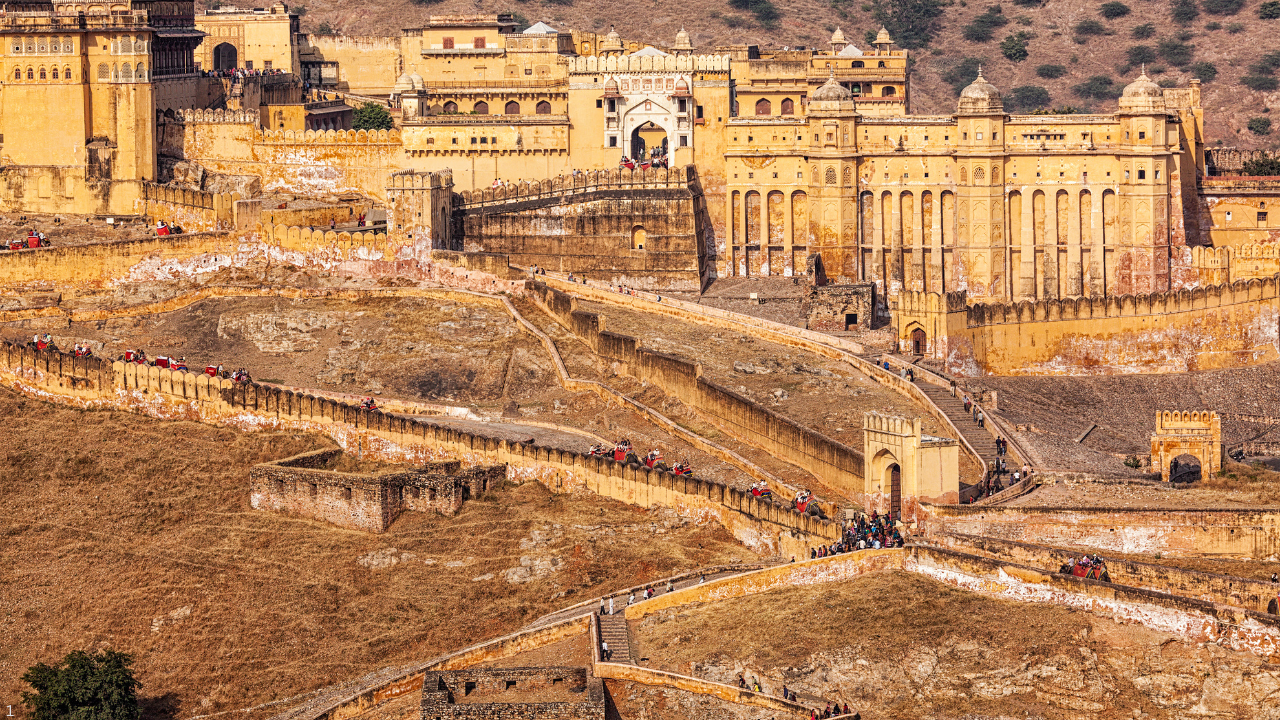




When most people back home in the US think of Jaipur, they picture the majestic Amber Fort, the delicate pink honeycomb facade of the Hawa Mahal, and bustling bazaars filled with block-printed textiles and sparkling jewelry. It’s the ultimate cultural immersion. But if you only stick to the palaces, you’re missing out on a completely different side of the “Pink City.”
Surrounding this historic capital is the ancient Aravalli Range—one of the oldest plateau mountain ranges in the world. Deep within these craggy, dry-deciduous hills lie secret valleys, centuries-old ruins, hidden temples, and unexpectedly lush nature trails.
As a travel writer who has spent months exploring the back roads of Rajasthan, I can tell you that going on a trek here is the single best way to escape the sensory overload of the city center. It gives you a chance to breathe the fresh mountain air, watch the sunrise over ancient fort walls, and hang out with the local wildlife (mostly curious langur monkeys!).
If you are planning an upcoming trip and looking for the perfect Jaipur Travel Package, make sure to ask your travel planner to carve out a morning for one of these hikes. Trust me, it will be the highlight of your trip.
Here are the top 7 treks near Jaipur that every international traveler should experience.
1. The Nahargarh Fort Trek (The Classic Sunrise Hike)
If you only have time for one trek during your Jaipur Sightseeing Tour, make it this one.
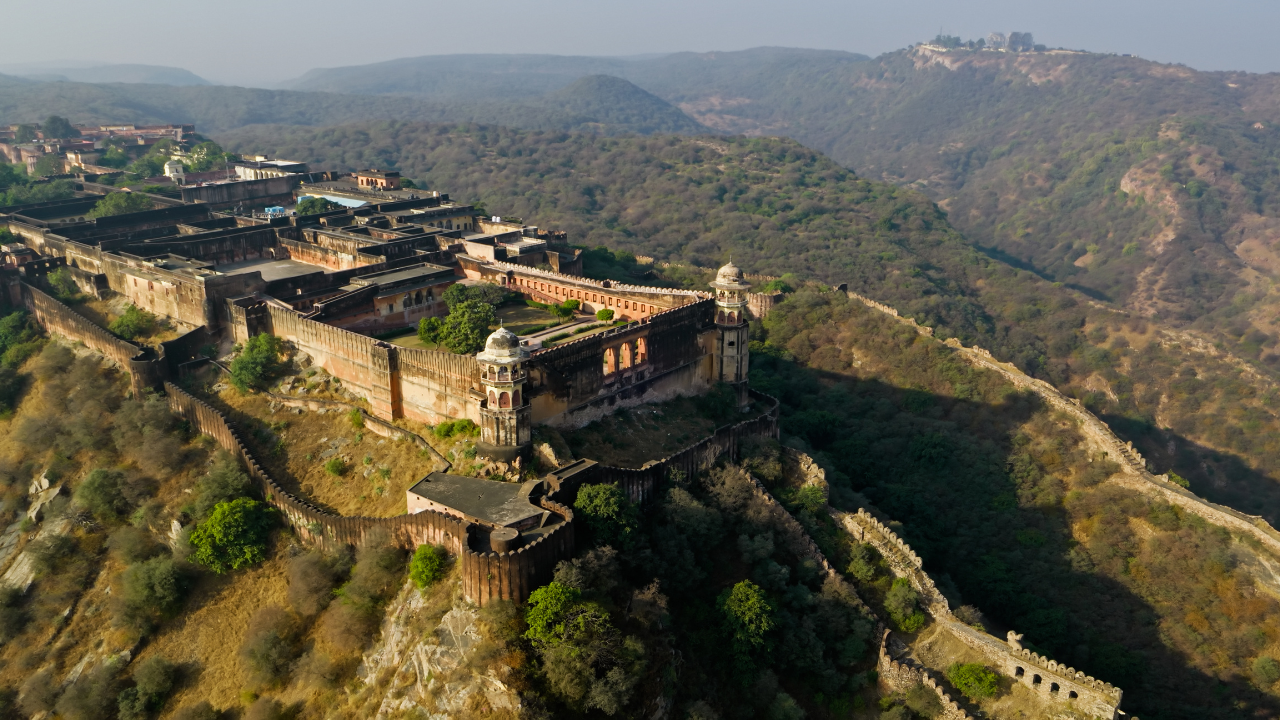
Nahargarh Fort sits proudly on the edge of the Aravalli hills, looking down over the entire city. While most tourists take a taxi up the winding, paved road to the top, the real adventurers hike up the ancient stone path starting from Purani Basti (the old city).
What to Expect:
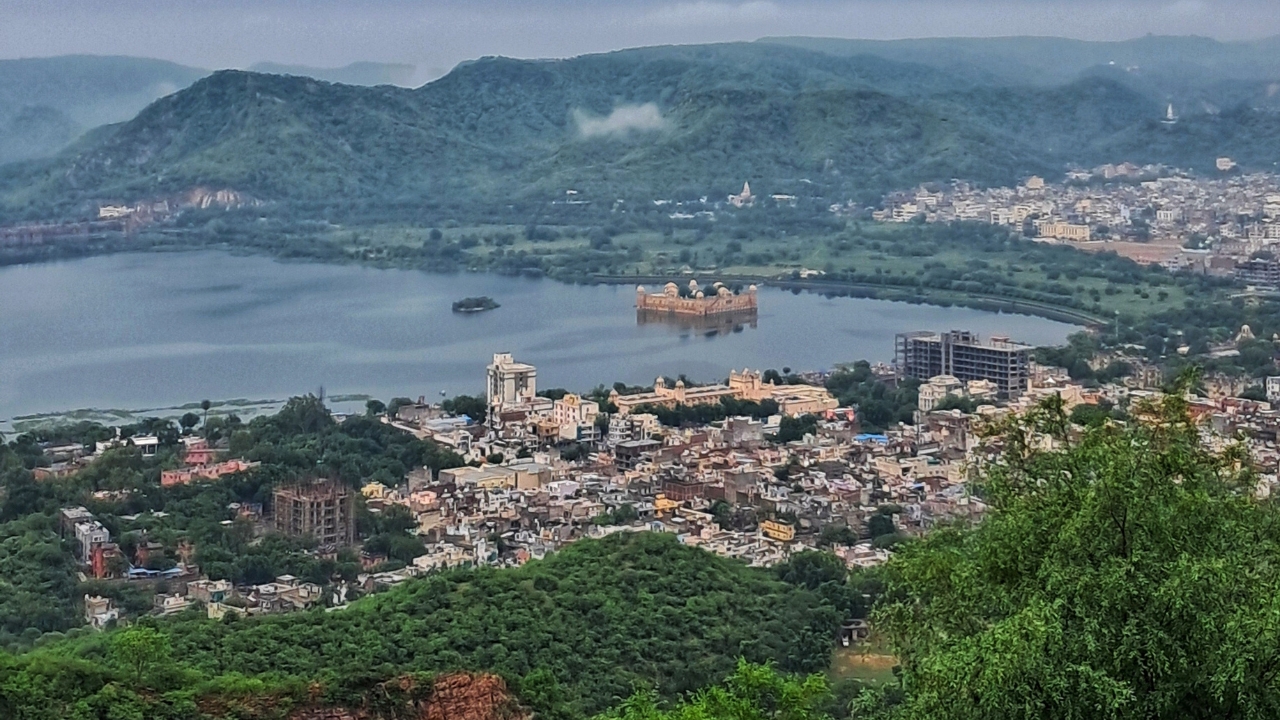
The trail is a moderately steep, cobblestone ramp that snakes its way up the mountain. It is incredibly atmospheric. As you climb higher, the modern city noise begins to fade, replaced by the occasional bird call and the stunning, unfolding panoramic views of Jaipur’s pastel buildings below.
- Distance: ~1.5 miles (2.5 km) one way
- Difficulty: Moderate
- Best Time: Start around 5:30 AM to catch the sunrise from the top of the fort walls.
- Pro Tip: Once you reach the top, grab a hot cup of masala chai from a local vendor and sit on the ramparts. Watching the sun cast an amber glow over the city is pure magic.
2. Hathni Kund Trek (The “Water Valley” Adventure)
Most travelers are shocked to learn that Jaipur has a seasonal waterfall hidden in the hills. Hathni Kund—affectionately known as the Water Valley Trek—is a beloved local secret.
The trek starts near the Charan Mandir temple on the way up to Nahargarh. The name “Hathni” translates to female elephant, but don’t expect to see any elephants here! Instead, you’ll find gorgeous, dense forest trails that feel worlds away from the city desert.
What to Expect:
The trail descends into a leafy, rocky gorge. During or immediately after the monsoon season (July to September), the valley transforms into a vibrant, emerald paradise with a gorgeous waterfall cascading over the cliffside.
- Distance: ~2.5 miles (4 km) round trip
- Difficulty: Easy to Moderate
- Best Time: Late August to October when the waterfall is flowing and the air is cool.
- Inside Info: Keep an eye out for the bright pink flowers of the sickle bush tree lining the pathways. It’s a beautiful spot for nature photography.
3. Chor Ghati Trek (The Mystical Valley)
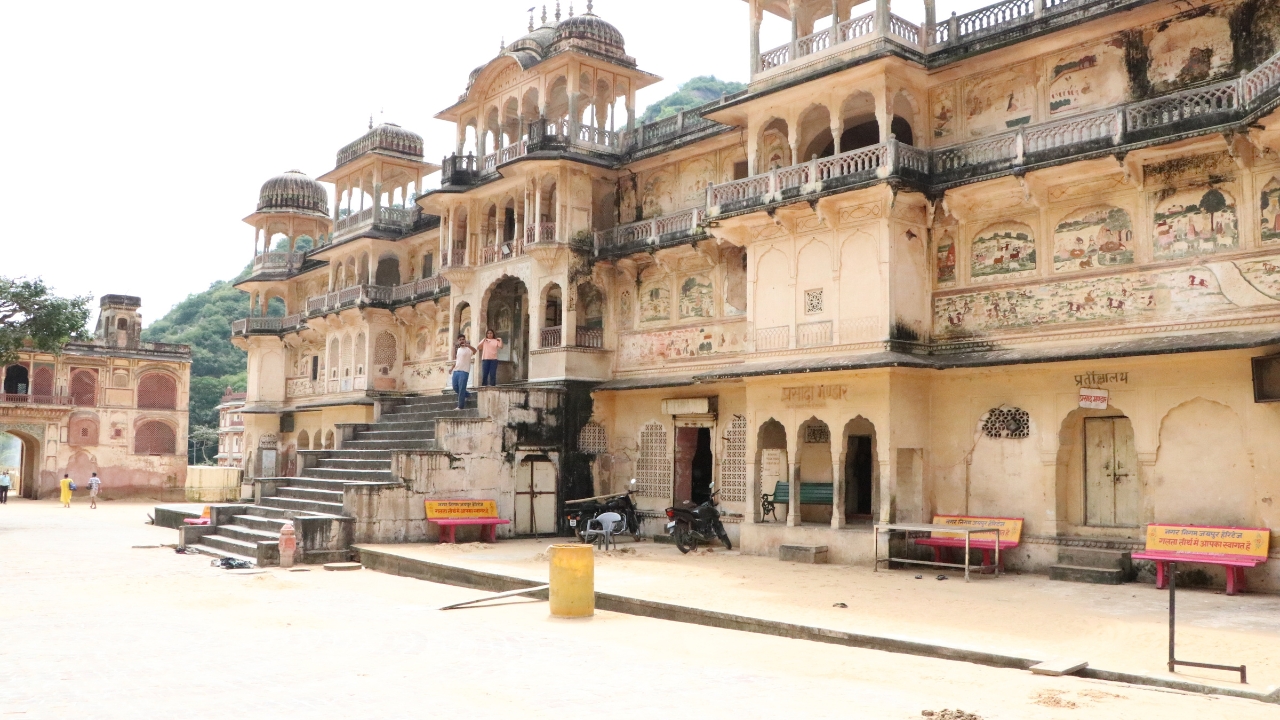
Located right behind the famous Galtaji Temple (widely known to Western tourists as the “Monkey Temple”), the Chor Ghati trek is a stunningly rugged, off-the-beaten-path route. Historically, “Chor Ghati” translates to “Thief’s Valley,” as it was once used by bandits to slip in and out of the city unnoticed.
What to Expect:
This hike takes you through rocky gorges, dry stream beds, and dense forest patches. It is incredibly peaceful but has a very raw, wild energy to it. The trail terminates in a dramatic canyon, offering a unique, rear-side view of the ancient, sun-bleached structures of Galtaji.
- Distance: ~2.5 miles (4 km)
- Difficulty: Moderate
- A Word of Warning: Because of the dense cover, the area is known to host wildlife, including leopards from the nearby Jhalana Reserve. Always do this hike with a guide from one of the Best Tour Operators in Jaipur who know the paths and can ensure a safe trek.
4. Sagar Lake Trek & Kuntalgarh Fort (The Forgotten Palace)
If you love history, ruins, and completely skipping the crowds, this is the trek for you. Sagar is a beautiful, historic lake located directly behind the massive Amer Fort.
The trail begins near the Kheri Gate in Amer and winds upward toward Kuntalgarh Fort, an old, semi-ruined fortress that predates Amer Fort itself.
What to Expect:
You’ll follow a stony, winding path that goes past old water reservoirs and abandoned watchtowers. Once you reach the top at Kuntalgarh, you’ll get a dramatic, bird’s-eye view of Amer Fort, the Maota Lake, and the surrounding fort walls stretching across the hills like the Great Wall of China.
- Distance: ~3.7 miles (6 km) round trip
- Difficulty: Moderate
- Why It’s Special: You will likely have the entire trail and the ruins to yourself, which is a rare and beautiful luxury in Jaipur.
5. Bhuteshwar Nath Mahadev Trek (The Spiritual Path)
This is a classic pilgrimage trek that the locals have done for generations. The hike takes you through the Nahargarh Wildlife Sanctuary to a highly revered, ancient temple dedicated to Lord Shiva, nestled deep within the forest.
What to Expect:
The most popular starting point is near the Nahargarh Biological Park. The trail is relatively flat and easy, passing through beautiful canopy forests of Dhok trees (Anogeissus pendula). Along the way, you might spot nilgai (blue bulls), spotted deer, and a massive variety of birds.
- Distance: ~4.3 miles (7 km) round trip
- Difficulty: Easy
- Cultural etiquette: When you reach the temple, remember to take your shoes off before entering. The temple priest is usually very welcoming and might offer you some holy water or a blessing.
6. Chulgiri Hills Trek (The Stairway to Heaven)
For those looking to get a solid leg workout in, the Chulgiri Trek is the way to go. Located on the eastern side of the city, this trek leads to a beautiful Digamber Jain Temple sitting atop a high hill.
What to Expect:
You have two choices here: you can hike up the winding, rustic forest trail, or you can conquer the famous staircase of over 1,000 stone steps. Whichever you choose, the climb is steep, but the payoff is incredible. The top offers a sprawling, unobstructed view of the entire Jaipur valley.
- Distance: ~2 miles (3.2 km) of steep climbing
- Difficulty: Hard (due to the steepness)
- Safety Tip: Take your time, bring plenty of water, and watch out for the monkeys on the stairs. Keep your food packed away in your bag!
7. Garh Ganesh to Charan Mandir Trek (The Ridgeline Walk)
This trek connects two of Jaipur’s most iconic hilltop temples: Garh Ganesh, located at the base of the hills, and Charan Mandir, near the top of the Nahargarh ridge.
What to Expect:
Starting at the historic 18th-century Garh Ganesh temple, you’ll climb up a series of ancient stone steps and pathways. Once you reach the ridge, the trail opens up, allowing you to walk along the crest of the hills with the city unfolding on one side and quiet valleys on the other.
- Distance: ~2.5 miles (4 km)
- Difficulty: Moderate
- Best Time: Late afternoon. You can catch the sunset from Charan Mandir before taking a tuk-tuk down the paved road.
Essential Trekking Tips for International Travelers in Jaipur
Trekking in India is a bit different than hiking in the US National Parks. To make sure you have an amazing, hassle-free experience, keep these practical tips in mind:
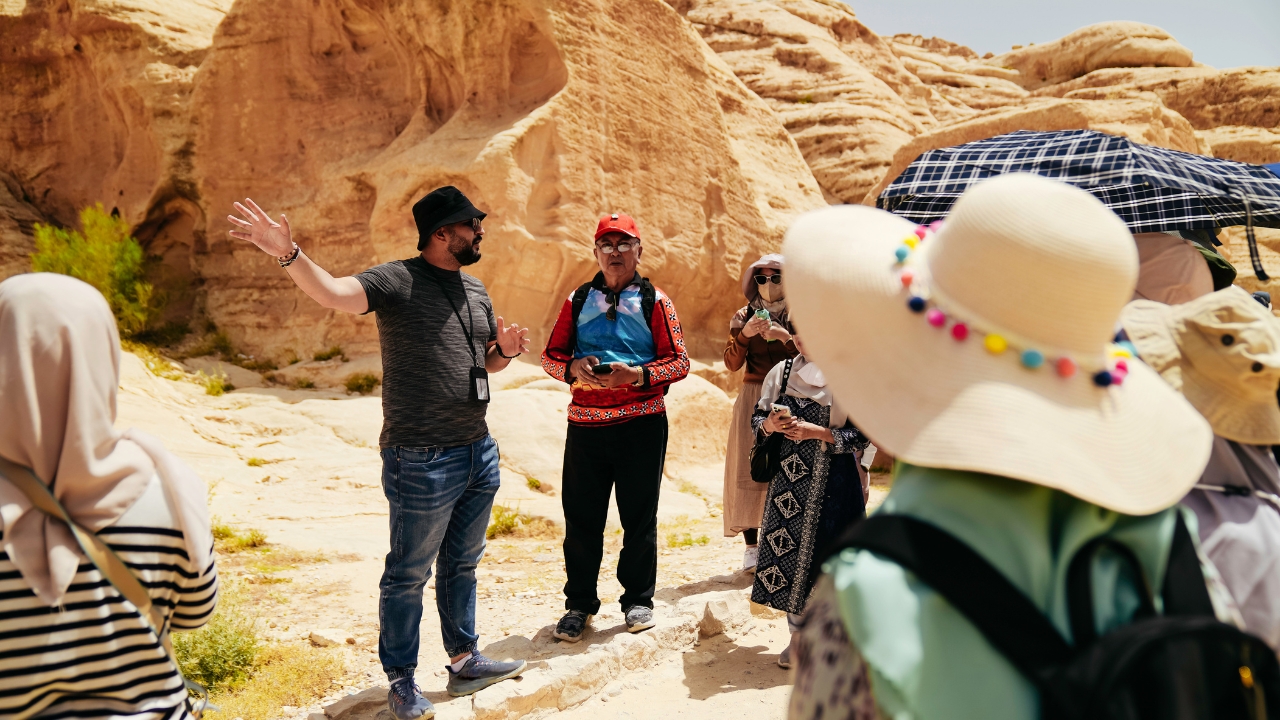
- Hire a Guide: Trails in the Aravallis are rarely marked. It is very easy to get lost. Going with a local trekking group or a guide arranged by the Best Tour Operators in Jaipur ensures you stay safe and learn about the local history.
- Start Early: Rajasthan gets incredibly hot, even in the winter. Plan to start your hikes by 6:00 AM or 7:00 AM at the latest.
- Respect the Wildlife: You will encounter monkeys (both rhesus macaques and gray langurs). Do not feed them, do not make eye contact, and keep all snacks securely zipped inside your backpack.
- Dress Appropriately: Since many of these trails lead to temples, dress respectfully. Avoid short shorts or sleeveless tops. Comfortable, breathable hiking pants and a lightweight shirt are perfect.
- Hydrate: Always carry more water than you think you need. The dry climate can dehydrate you quickly.
Conclusion
Jaipur is so much more than just a city of palaces. Stepping onto the dusty, ancient trails of the Aravalli hills lets you connect with the beating heart of Rajasthan’s natural landscape. Whether you want to watch a golden sunrise over the city from Nahargarh or discover a hidden temple in a quiet forest valley, adding a trek to your itinerary is an absolute must.
If you’re ready to plan your trip, reach out to a trusted agency to design a custom Jaipur Travel Package that perfectly balances cultural sightseeing with these incredible outdoor adventures!
Frequently Asked Questions (FAQs)
Q1: Is it safe for solo foreign tourists to hike around Jaipur?
Yes, but with some caveats. While popular, paved paths like the Nahargarh Fort road are very safe, remote forest trails like Chor Ghati or Sagar can be isolated. We highly recommend hiking in a group or hiring a local guide. Furthermore, the forests have wild leopards, so trekking during midday or with a professional is much safer.
Q2: What is the best season for trekking in Jaipur?
The absolute best time to trek is during the monsoon (July to September) and the winter months (October to March). During the summer (April to June), temperatures can easily soar past 104°F (40°C), making outdoor hiking highly uncomfortable and dangerous.
Q3: Do I need professional hiking gear for these treks?
No. Most of the treks near Jaipur are relatively short and don’t require heavy-duty technical gear. A good pair of trail running shoes or sturdy sneakers with decent grip, comfortable athletic wear, a sun hat, and high-SPF sunscreen are all you need.
Q4: Are there any entry fees for these trekking trails?
Most of the natural trails do not have an official entry fee. However, if your trek goes inside the Nahargarh Wildlife Sanctuary or onto fort properties, there might be a nominal forest department entry fee or fort ticket required at the checkpoints.
Q5: Will I get mobile network coverage on these hikes?
For the most part, yes. Because these trails are located relatively close to Jaipur city, you will find decent 4G/5G mobile reception on most ridges and hilltop temples. However, deep down in valleys like Chor Ghati or Hathni Kund, the signal can drop significantly.
Q6: How do I get to the starting points of these treks?
The easiest way is to book an auto-rickshaw (tuk-tuk) or a cab via ride-hailing apps like Uber or Ola. Most starting points, like Charan Mandir or Amer’s Kheri Gate, are well-known to local drivers. You can also have your tour operator arrange a private car drop-off and pickup.