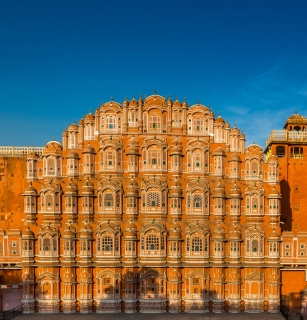
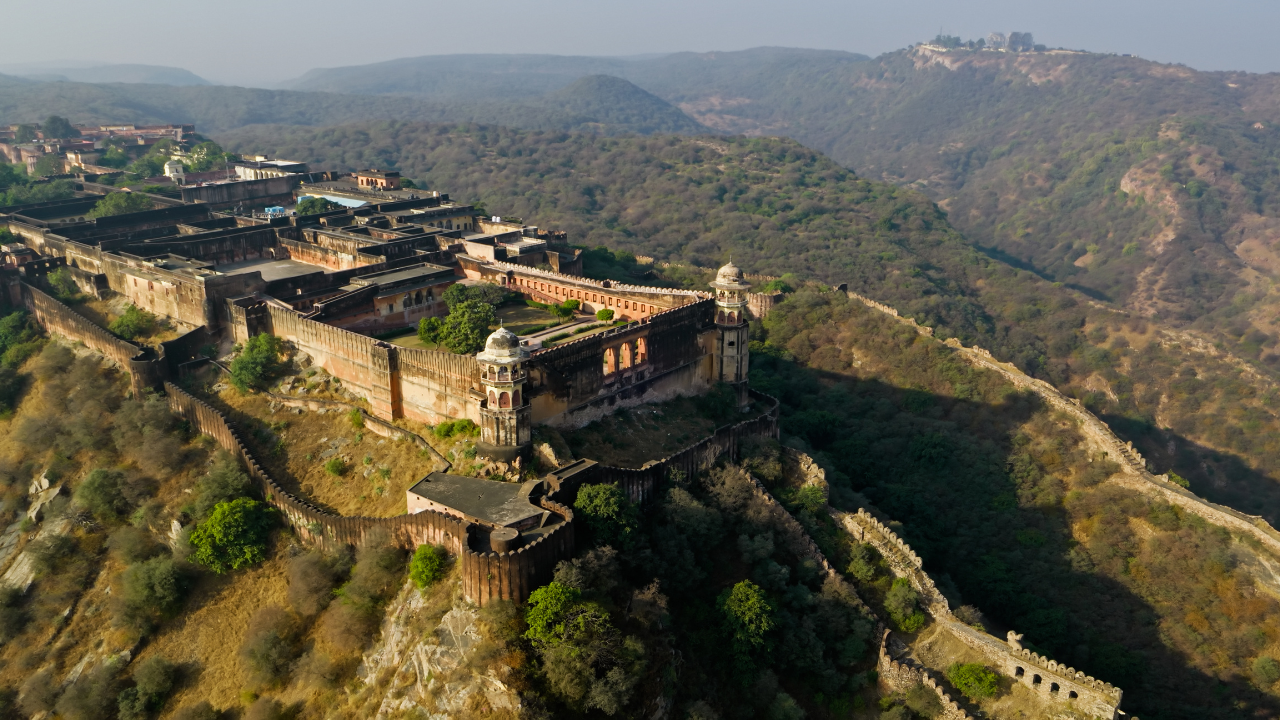

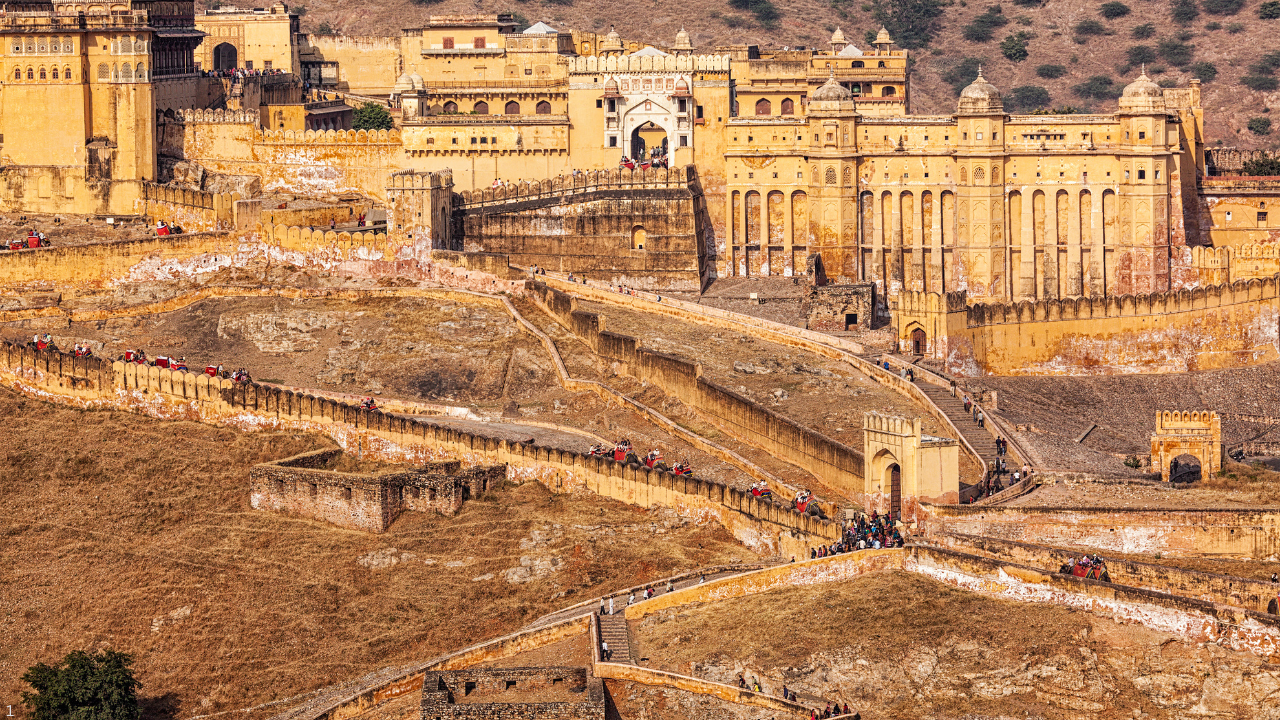

Most visitors who land in Jaipur head straight for the Amber Fort or the Hawa Mahal, and rightly so, since those are the postcard images everyone recognizes. But tucked away about 10 kilometers east of the Pink City, hidden inside a narrow gorge of the Aravalli hills, sits a place that feels almost untouched by the noise of modern tourism. That place is Galtaji Temple, more commonly known across Rajasthan as the Monkey Temple. If you are putting together an itinerary and browsing Jaipur Tour Packages, this is one stop that genuinely deserves a slot on your list, not because it is famous in the same way as the City Palace, but because of what it actually offers once you get there: silence, history, and a strange, almost magical coexistence between people and wildlife.
Where Exactly Is Galtaji Located
Galtaji sits in a mountain pass within the eastern hill range surrounding Jaipur, close to Surajpol Bazaar. The valley itself has a natural, amphitheater-like shape carved into pink sandstone, which is part of why the whole complex feels so different from a standard temple visit. There are two common ways to reach it. One route starts from Galta Gate and involves a somewhat steep, rocky walk. The other, known as Ghat ki Guni, winds through quieter, greener terrain and is considered more scenic, though it takes a little longer. Most taxis and auto-rickshaws from central Jaipur will drop you close to the base, and from there you walk in on foot, since vehicles cannot access the inner temple lanes.
The Legend Behind the Name
Every old temple in Rajasthan seems to carry a story, and Galtaji’s is one of the more compelling ones. According to Hindu mythology, a sage named Galav performed intense penance in this exact valley, meditating here for what the old texts describe as thousands of years during the Satya Yuga. His devotion is said to have pleased the gods so deeply that they blessed the site with a natural spring, one that flows even during the harshest months of summer when everything else in the region turns dry and dusty. That spring still exists today, and it is the reason the entire complex of water tanks, known locally as kunds, came into being in the first place. Some scholars also connect the name Galtaji to the Sanskrit words for rock and crown, loosely translating to something like “crown of rocks,” which fits the setting rather well once you see the temples nestled into the cliffside.
Construction and the Architecture You Will See Today
While the spiritual roots of the site are ancient, the temple structures that stand today were largely built in the early 18th century, commissioned by Diwan Rao Kriparam, a trusted courtier in the court of Maharaja Sawai Jai Singh II, the founder of Jaipur city itself. Successive rulers added to and repaired the complex over the following decades, and it was restored again after the severe Jaipur floods of 1981 damaged parts of the lower temples.
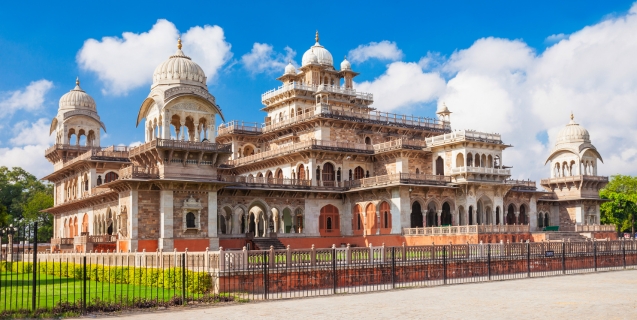
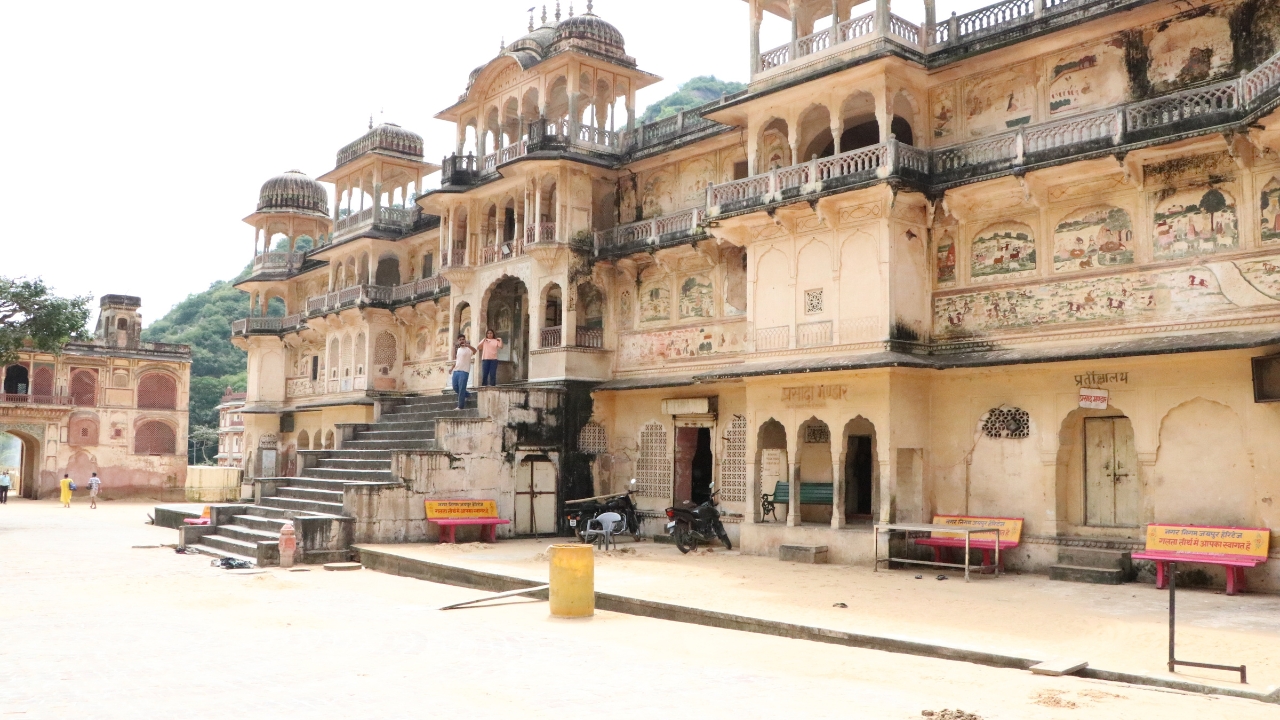
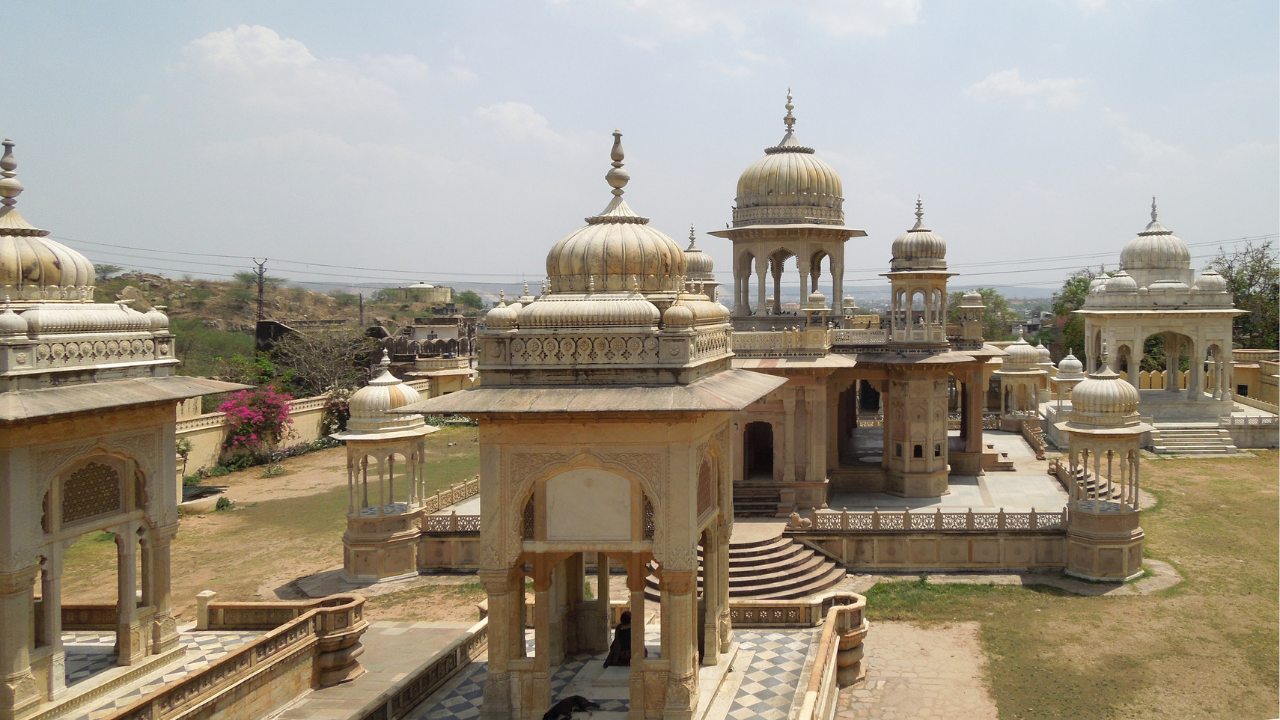
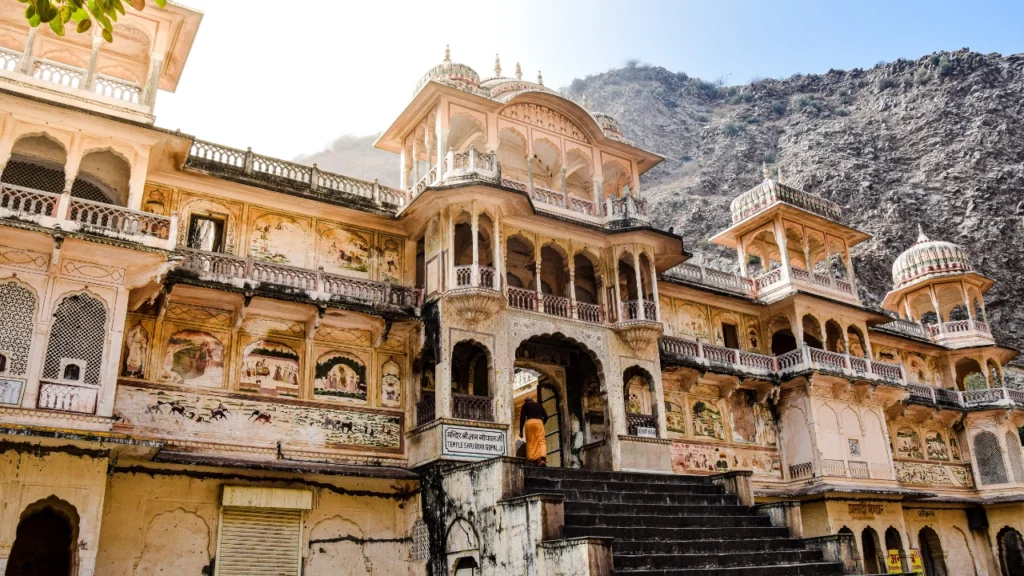
The architecture leans heavily into traditional Rajasthani design, with pink sandstone facades, ornate pillars, and curved chhatris crowning several of the rooftops. Walking through the complex, you will notice detailed paintings on the walls and ceilings depicting scenes from Hindu mythology, many of which have faded with time but are still visible if you look closely. The Shri Sitaram Ji Temple stands out as the largest structure in the complex, built in a haveli style with five separate sanctums, each holding idols representing different stages of Lord Rama’s life. Nearby, the Shri Gyan Gopal Ji Temple follows a similar architectural approach, and both buildings give you a sense of how much craftsmanship went into a site that many first-time visitors assume is a single, modest shrine.
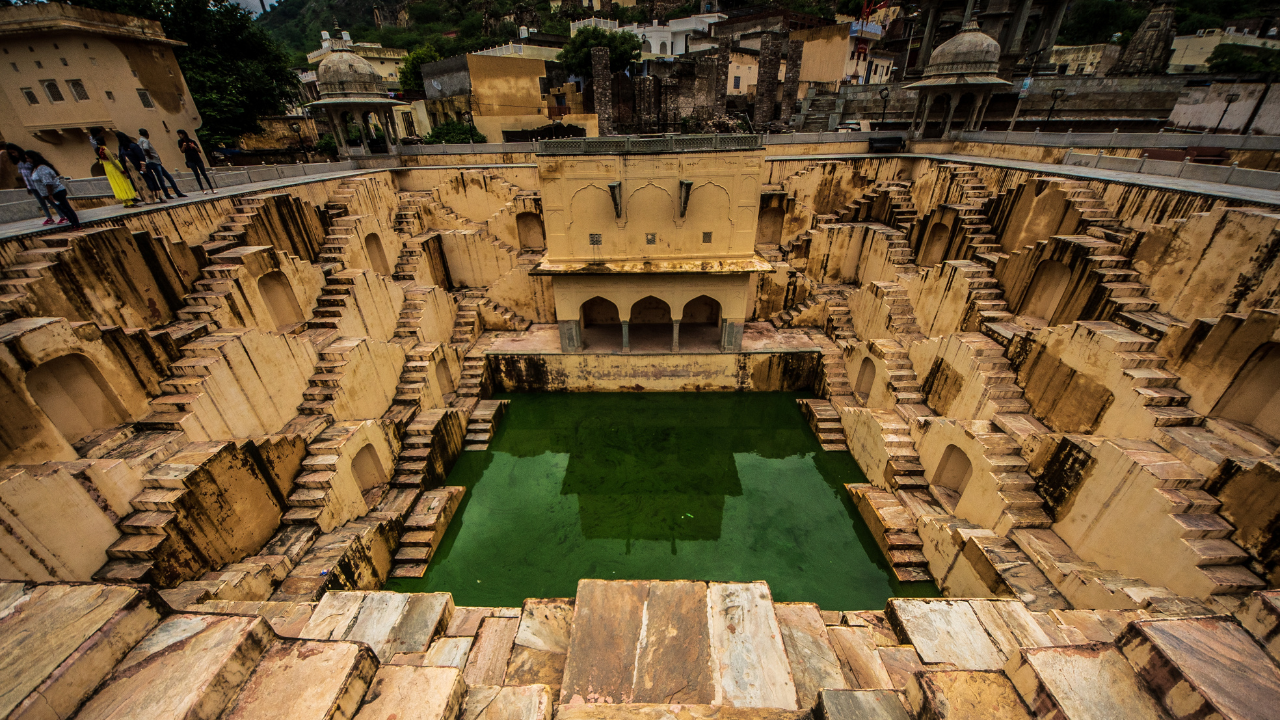
Water plays a central role throughout the complex. Natural springs feed into seven sacred kunds, with water pouring out through carved stone cow mouths, known as gomukhs, before collecting in the tanks below. The Galta Kund is considered the holiest of all seven and is believed to never run dry, regardless of the season. Pilgrims climb the stairways connecting each kund, and those willing to keep going eventually reach the uppermost point of the complex, where the Sun Temple, or Surya Mandir, sits perched on the hilltop, offering one of the best panoramic views of Jaipur available anywhere in the region.
Why It Is Called the Monkey Temple
You cannot really talk about Galtaji without talking about its monkeys. Hundreds of rhesus macaques live throughout the complex, moving freely along the walls, rooftops, and courtyards, which is exactly why the site earned its popular nickname. Locally, the area is sometimes referred to as Galwar Bagh because of how deeply the monkey population is woven into daily life here. For devotees, these animals are not treated as pests or curiosities. In Hindu belief, monkeys carry a connection to Lord Hanuman, and many pilgrims feed them bananas, peanuts, and sweets as a small act of devotion. Watching the monkeys play near the water tanks, splashing around while priests chant nearby, creates an atmosphere unlike almost anywhere else in Jaipur. The temple complex has even drawn international attention for this reason, having been featured in wildlife documentaries covering the unusual relationship between the monkeys and the humans who share this space with them.
Religious and Historical Significance
Beyond the legend of Sage Galav, Galtaji holds real weight within a specific tradition of Hinduism. Since the early 15th century, the site has served as a retreat for ascetics belonging to the Ramanandi sect, followers of Saint Ramanand who emphasize devotion to Lord Rama. A saint named Krishnadas Payohari settled here during that period and eventually became the head of what is known as the Galta gaddi, making Galtaji the first major Vaishnava Ramanandi center in northern India. The site’s connection to literature is worth mentioning too. Tulsidas, the poet who composed the Ramcharitmanas, is believed to have spent time at Galta Dham, and portions of the celebrated Sundar Kand chapter are said to have been written during his stay here.
Festivals Worth Planning Around
If your trip timing is flexible, visiting during Makar Sankranti in January is worth considering. Thousands of devotees gather at Galtaji during this festival to take a ceremonial dip in the Galta Kund, believing the waters wash away past sins. Hanuman Jayanti and Ram Navami also draw larger-than-usual crowds, given the temple’s strong ties to Hanuman worship, with extended hours and additional rituals performed by resident priests during these periods.
Practical Details for Your Visit
The temple stays open daily from 5:00 AM to 9:00 PM, and there is no entry fee, though donations toward the upkeep of the complex are welcomed. Expect some physical activity during your visit, since reaching the upper temples involves climbing a series of stairs, somewhere between fifty and a hundred and fifty steps depending on how far up you go, so comfortable footwear makes a real difference. Dress modestly, as this remains an active place of worship rather than a tourist attraction alone, and keep a respectful distance from the monkeys, since sudden movements or visible food can make them defensive. The cooler months between October and March make for the most comfortable visiting conditions, while summer afternoons in the valley can get uncomfortably hot.
Making It Part of Your Jaipur Itinerary
Galtaji pairs naturally with a visit to the Sun Temple right above it, and many travelers combine both stops with a short trip to Sisodia Rani Bagh nearby. Because it sits slightly outside the main city circuit, it often gets left off shorter trips unless it is specifically included in advance, which is exactly why it is worth checking whether your chosen best Jaipur tour packages already account for it, or asking your operator to add it as a half-day extension. Whether you are drawn in by the history, the architecture, or simply the idea of watching monkeys splash around ancient stone tanks while priests chant in the background, Galtaji offers something that most standard city tours simply cannot replicate.
Frequently Asked Questions
How far is Galtaji Temple from central Jaipur?
Galtaji is located roughly 10 kilometers east of the main city, close to Surajpol Bazaar, and is easily reachable by taxi, auto-rickshaw, or as part of organized Jaipur tour packages.
Why is Galtaji called the Monkey Temple?
The complex is home to hundreds of rhesus macaques that live and move freely throughout the site, which is how it earned the popular nickname among locals and visitors alike.
Is there an entry fee to visit Galtaji Temple?
No, entry to the temple complex is free, though visitors are welcome to leave a voluntary donation toward the site’s maintenance.
What are the temple’s opening hours?
Galtaji is open daily from 5:00 AM to 9:00 PM, with extended hours often observed during major festivals like Hanuman Jayanti and Makar Sankranti.
Who built the current Galtaji Temple complex?
The structures visible today were largely commissioned in the early 18th century by Diwan Rao Kriparam, a courtier serving Maharaja Sawai Jai Singh II, though the site’s spiritual origins are considered much older.
Is it safe to interact with the monkeys at Galtaji?
Most monkeys are accustomed to visitors, but it is best to avoid sudden movements, keep food out of sight unless intentionally offering it, and maintain a respectful distance to prevent any defensive behavior.
What is the best time of year to visit Galtaji Temple?
The cooler months from October through March offer the most pleasant conditions, while the Makar Sankranti festival in January is particularly special for witnessing ritual bathing in the Galta Kund.
Can I combine Galtaji with other nearby attractions?
Yes, the Sun Temple sits directly above Galtaji on the same hill, and Sisodia Rani Bagh is a short drive away, making it easy to plan a half-day trip covering all three.
Is Galtaji suitable for visitors with limited mobility?
Reaching the upper temples requires climbing a fair number of stairs on uneven terrain, so visitors with mobility concerns may want to stick to the lower kunds, which are more accessible.
Should Galtaji Temple be included in a Jaipur sightseeing tour?
It is well worth including, especially for travelers interested in history, architecture, or a quieter spiritual experience away from the more crowded city landmarks, and many customizable Jaipur tour packages can accommodate it as an add-on.