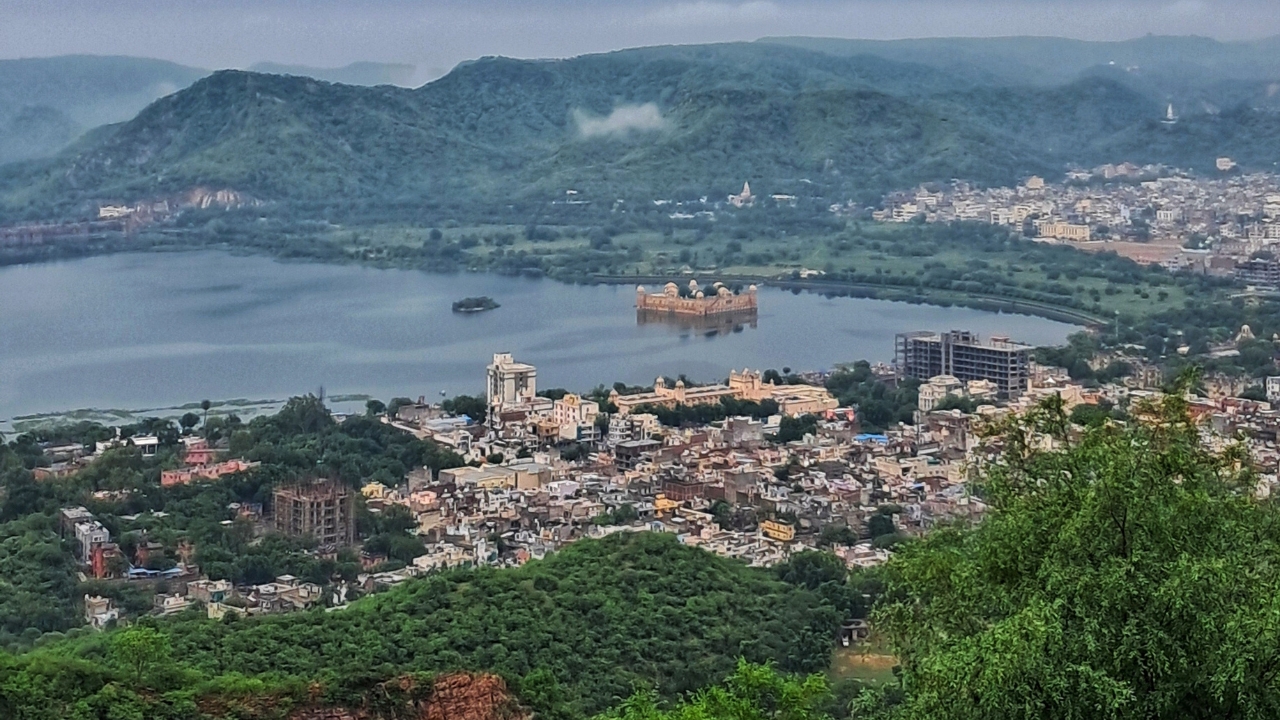
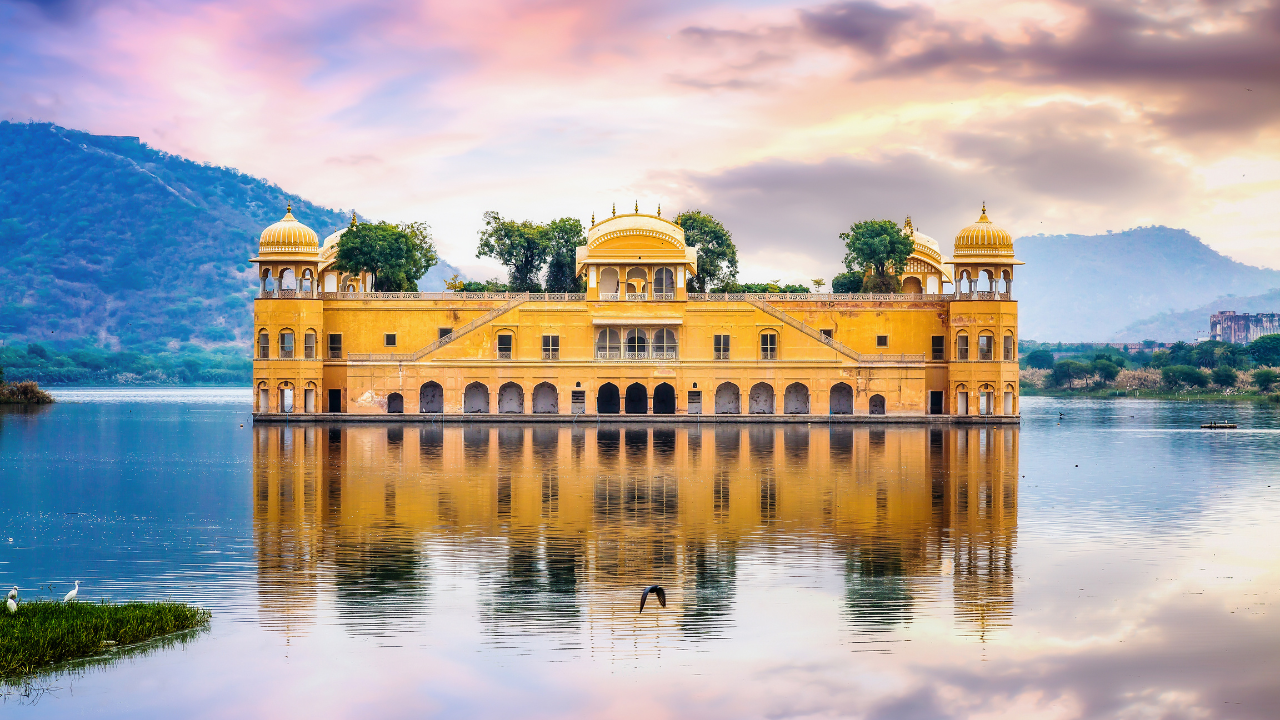

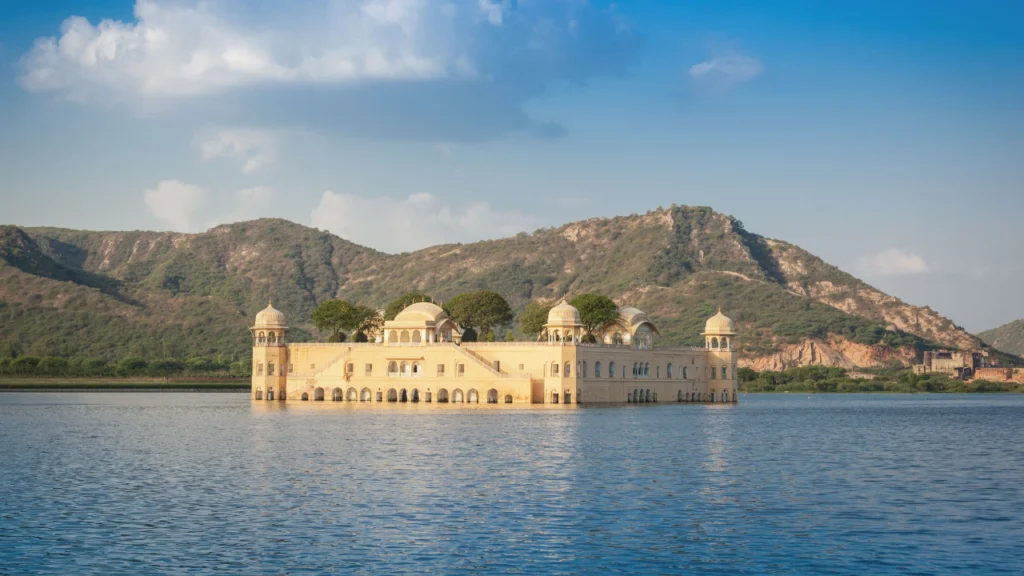
There’s a particular kind of silence that hits you the moment you stand on the banks of Man Sagar Lake, just before sunrise. The water is still, the air smells faintly of wet stone, and somewhere in the middle of that lake, a five-storey palace sits half-submerged, glowing pink-gold as the light changes. That’s Jal Mahal – and honestly, no photograph does it justice until you’ve seen it happen with your own eyes.
If you’re planning a trip to the Pink City and Jal Mahal is on your list (it should be, it’s one of those places that photographs better than most people expect), this guide walks you through everything – when to go, what to bring, how to shoot it properly, and how to fit it into a proper Jaipur tour packages itinerary without rushing through it.
A Quick Look at the Palace’s Story
Jal Mahal wasn’t built to be admired from a boat by tourists with cameras – that came later. It started as a hunting lodge. Maharaja Sawai Pratap Singh had it built (some records credit Maharaja Madho Singh I before him) sometime around the late 1700s, mainly as a resting spot during royal duck-shooting expeditions across Man Sagar Lake. Over the years, successive rulers, including Sawai Jai Singh II, added to and restored the structure, giving it the layered mix of Rajput and Mughal architectural detailing you see today.
Here’s the part that surprises most first-time visitors: the palace actually has five floors, but four of them stay permanently submerged underwater. Only the top floor sits above the surface, which is why, depending on the season and water level, Jal Mahal can look like it’s floating on the lake rather than standing in it. There’s no public entry inside the palace, so everything you experience is from the lakeside promenade or from a boat – and that’s honestly part of its charm. It’s a monument you appreciate at a distance, the way it was probably meant to be seen.
Why It’s Worth More Than a Quick Photo Stop
A lot of travellers treat Jal Mahal as a five-minute selfie halt on the way to Amer Fort, and that’s a bit of a waste. The lake it sits in, Man Sagar Lake, has its own restoration story worth knowing – it was revived through a public-private partnership after years of neglect and pollution, and today it also functions as a bird habitat, particularly appealing to anyone interested in a bit of birdwatching alongside the architecture. The surrounding Nahargarh hills add a natural backdrop that changes colour completely between morning and evening, so the same spot can give you two entirely different photographs on the same day.
Best Time to Visit Jal Mahal
Best Season: October to March is when Jaipur’s weather cooperates the most – cool mornings, clear skies, and comfortable daytime temperatures make it easy to stand around the lake for as long as you want without rushing back to the car. That said, if you enjoy dramatic skies and don’t mind a bit of humidity, the monsoon months (July to September) bring out a different side of the palace – the sandstone deepens in colour when wet, and the lake often fills up closer to the palace walls, which looks stunning in photographs.
Best Time of Day: Sunrise and sunset are, without competition, the two windows serious photographers and casual visitors alike should aim for. Early morning gives you soft light, fewer crowds, and calmer water for reflection shots. Evening brings warmer tones and, once the sun dips, the palace gets illuminated with floodlights that turn the whole scene golden against the darkening lake. Midday visits work fine if you’re short on time, but the harsh overhead light tends to flatten the palace’s texture in photos.
Best Day of the Week: Weekdays are noticeably quieter than weekends, when local families and college groups tend to gather along the promenade. If your goal is a peaceful walk or an uninterrupted photography session, plan around a Tuesday to Thursday visit if your schedule allows it.
Photography Tips That Actually Make a Difference
- Shoot from the western embankment for the reflection shot. The classic, most-shared image of Jal Mahal is the symmetrical reflection in still water. This works best early morning, before wind picks up and breaks the surface. Get low, almost at water level, and let the reflection take up half your frame.
- Use the road-side viewing point for the golden hour skyline shot. As the sun sets behind the Nahargarh hills, the palace silhouette against an orange sky is a completely different composition from the reflection shot. A slight zoom compresses the hills and palace nicely together.
- Don’t skip the boat ride. Man Sagar Lake offers short boat rides that get you closer to the palace walls than the promenade allows. This is where you’ll catch architectural detail – the chhatris, the carved pillars, the sandstone latticework – that’s impossible to capture from land.
- Carry a polarising filter if you shoot with a proper camera. It cuts glare off the water and makes both the sky and the reflection noticeably punchier, especially in the afternoon light.
- Phone photography works better than you’d think. If you’re shooting on a phone, switch off flash completely, use the grid lines to keep the horizon straight, and try panorama mode for the wide lake-and-hills composition.
- Blue hour is underrated. The fifteen minutes right after sunset, when the sky turns deep blue and the palace lights are on, is one of the most cinematic windows of the day – a tripod is recommended if you’re carrying one.
- Watch for the migratory birds in winter. Between November and February, Man Sagar Lake attracts flamingos and other migratory birds, which make for a lovely foreground or side element in wide shots.
How to Reach Jal Mahal
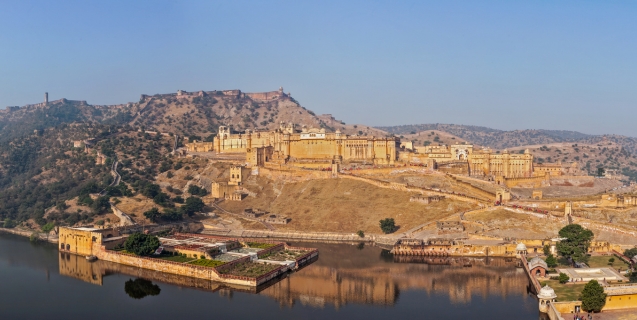
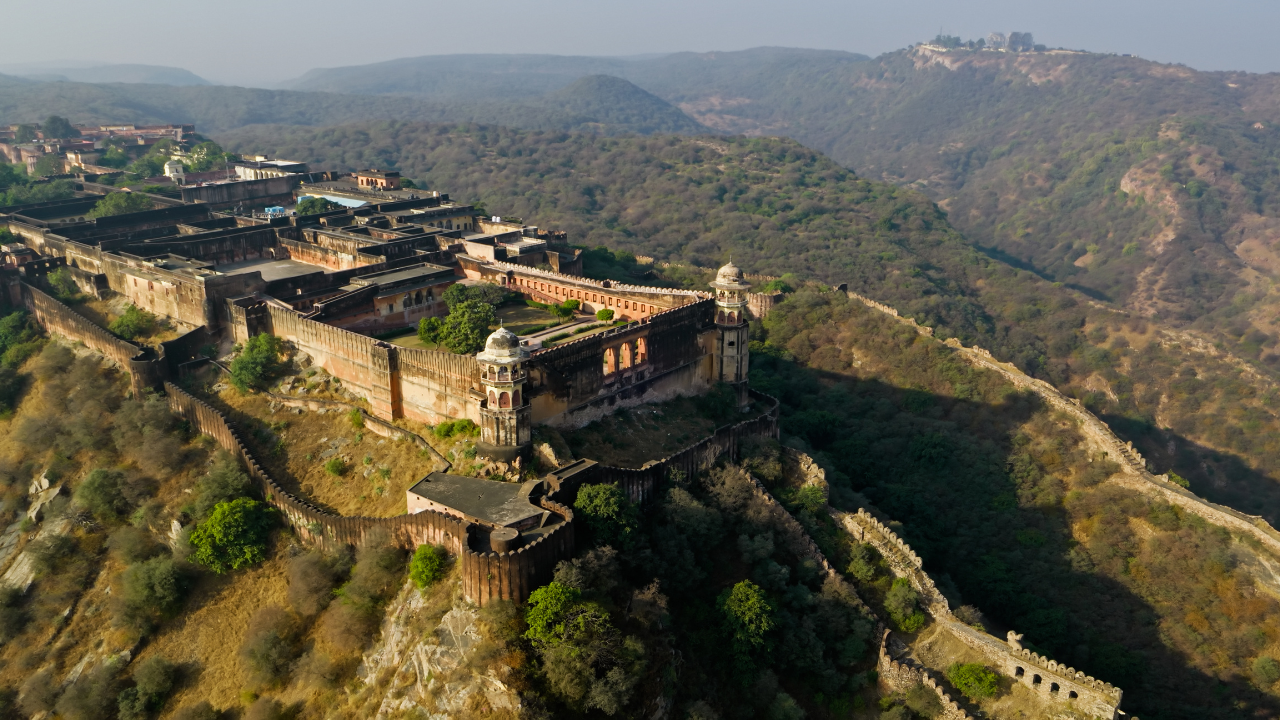
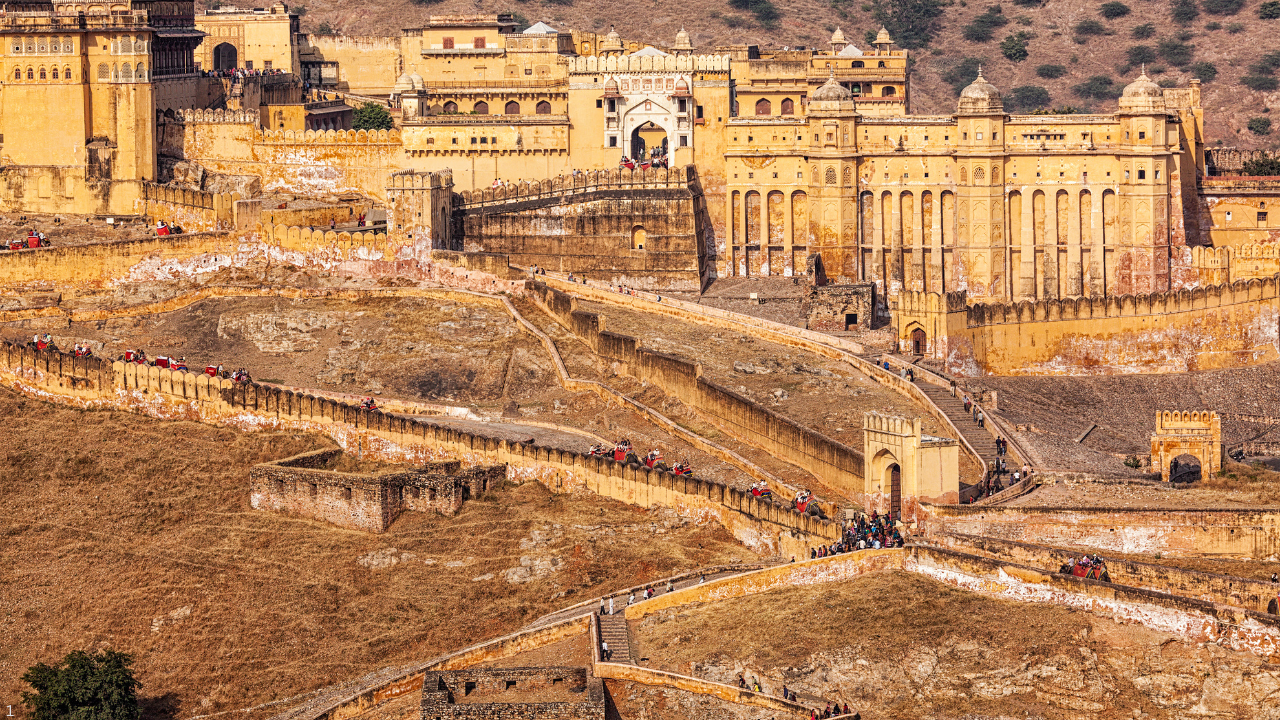
Jal Mahal sits on Amer Road, roughly midway between Jaipur city centre and Amer Fort, which makes it an easy add-on stop if you’re already headed that direction. It’s about 20–30 minutes by car from most central Jaipur hotels, and local buses running toward Amer also pass close by, dropping you a short walk from the lake. Most people combine it with a half-day loop covering Amer Fort, Jaigarh Fort, and Nahargarh Fort, since all four sit along a connected stretch of road.
Making It Part of a Bigger Jaipur Itinerary
This is really where a bit of planning pays off. Jal Mahal alone might take you thirty to forty-five minutes, but paired with the forts nearby and the right timing, it becomes the highlight of an entire evening or morning. A well-planned Jal Mahal Tour typically fits it in either as a sunrise stop before Amer Fort opens, or as a golden-hour finish after a day of fort-hopping, timed so you catch the palace lights coming on.
If you’re not confident about timing this yourself, or you’d rather not deal with local transport and entry logistics on your own, this is exactly the kind of detail that a properly built local itinerary handles for you. Jaipur Tour Planner puts together custom routes around Jal Mahal, the Amer–Jaigarh–Nahargarh loop, and the rest of the city’s heritage sites, timed around light, crowd patterns, and your actual pace of travel rather than a generic checklist. Whether you’re after a quick half-day cultural loop or a full multi-day exploration of the Pink City, well-planned Jaipur tour packages built around these small timing details usually end up being the difference between a rushed photo stop and a memory you actually keep coming back to.
Nearby Places Worth Combining With Your Visit
- Amer Fort – roughly 15 minutes away, best visited early morning before the tour groups arrive.
- Nahargarh Fort – offers a hilltop view looking down toward the lake and city, ideal for sunset.
- Jaigarh Fort – home to the world’s largest cannon on wheels, an easy add-on with Amer.
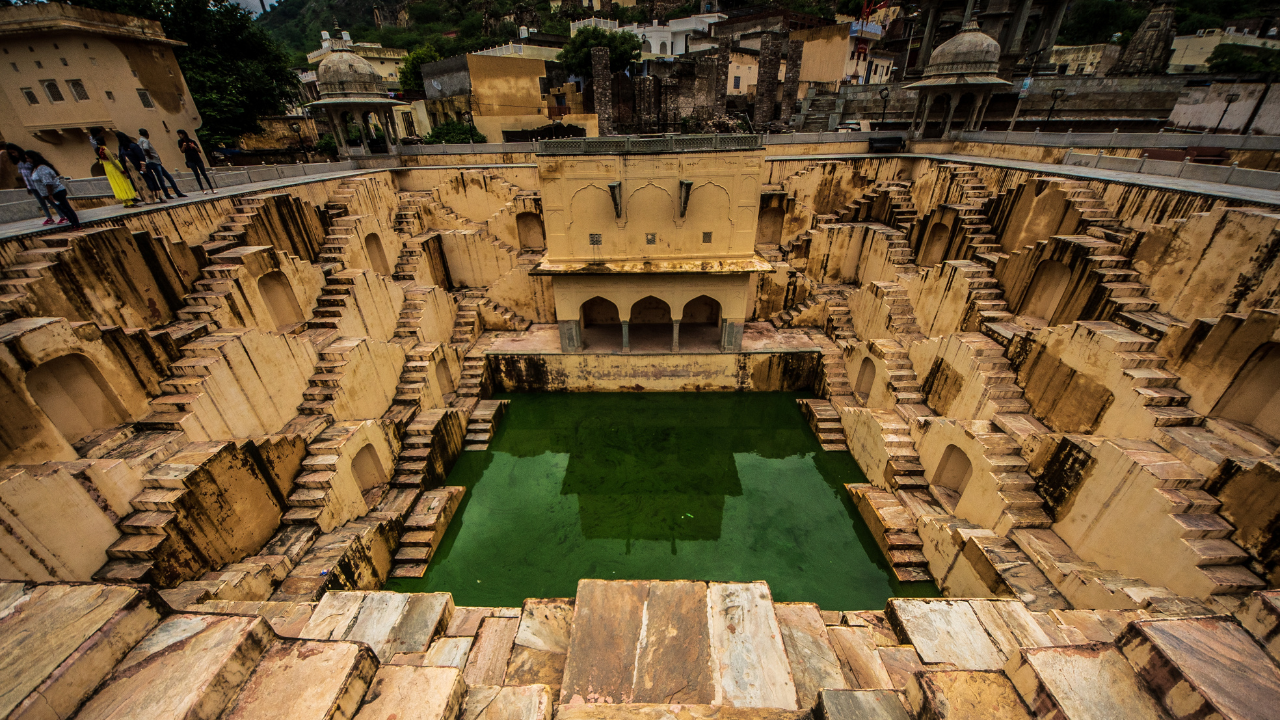
- Panna Meena ka Kund – a stepwell close by, and another underrated photography spot.
Frequently Asked Questions
- What is the best time to visit Jal Mahal?
Early morning around sunrise or the golden hour before sunset are the best windows, both for comfortable weather and the best light for photographs. October to March gives the most pleasant overall climate for a visit.
- Can tourists go inside Jal Mahal?
No, the palace is not open for public entry. All viewing happens from the lakeside promenade, the road-side viewpoints, or from a boat ride on Man Sagar Lake.
- How much time should I keep for a Jal Mahal visit?
Thirty to forty-five minutes is usually enough if you’re only viewing it from the promenade. If you’re adding a boat ride and some photography, keep closer to an hour.
- Is a boat ride available at Jal Mahal?
Yes, short boat rides on Man Sagar Lake are available and are one of the best ways to see the palace’s architecture up close, since land access into the palace itself is restricted.
- What is the entry fee for Jal Mahal?
There’s no entry fee to view the palace from the lakeside, since visitors aren’t allowed inside the structure. Boat rides on the lake are priced separately.
- Why is only one floor of Jal Mahal visible?
The palace has five storeys in total, but four remain submerged under the water of Man Sagar Lake. Only the topmost floor stays above the surface, which is what gives the palace its distinctive floating appearance.
- What is the best spot for photography at Jal Mahal?
The western embankment is ideal for the reflection shot in calm morning water, while the road-side viewpoint works best for silhouette and golden-hour shots as the sun sets behind the Nahargarh hills.
- How far is Jal Mahal from Amer Fort?
Jal Mahal sits roughly midway between central Jaipur and Amer Fort, about a 10–15 minute drive away, making it easy to combine both in a single outing.
- Is Jal Mahal worth visiting at night?
Yes, the palace is illuminated after sunset, and the lit-up structure against the dark lake water is one of the most photographed sights in Jaipur, especially during the blue hour right after sunset.
- Should I include Jal Mahal in my Jaipur tour package?
Definitely – it pairs naturally with the Amer–Jaigarh–Nahargarh circuit and adds very little extra travel time. A well-timed Jal Mahal Tour included in your overall itinerary ensures you catch it in the best light rather than as a rushed midday stop.