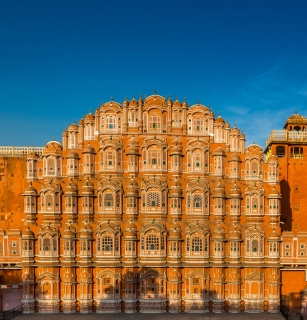
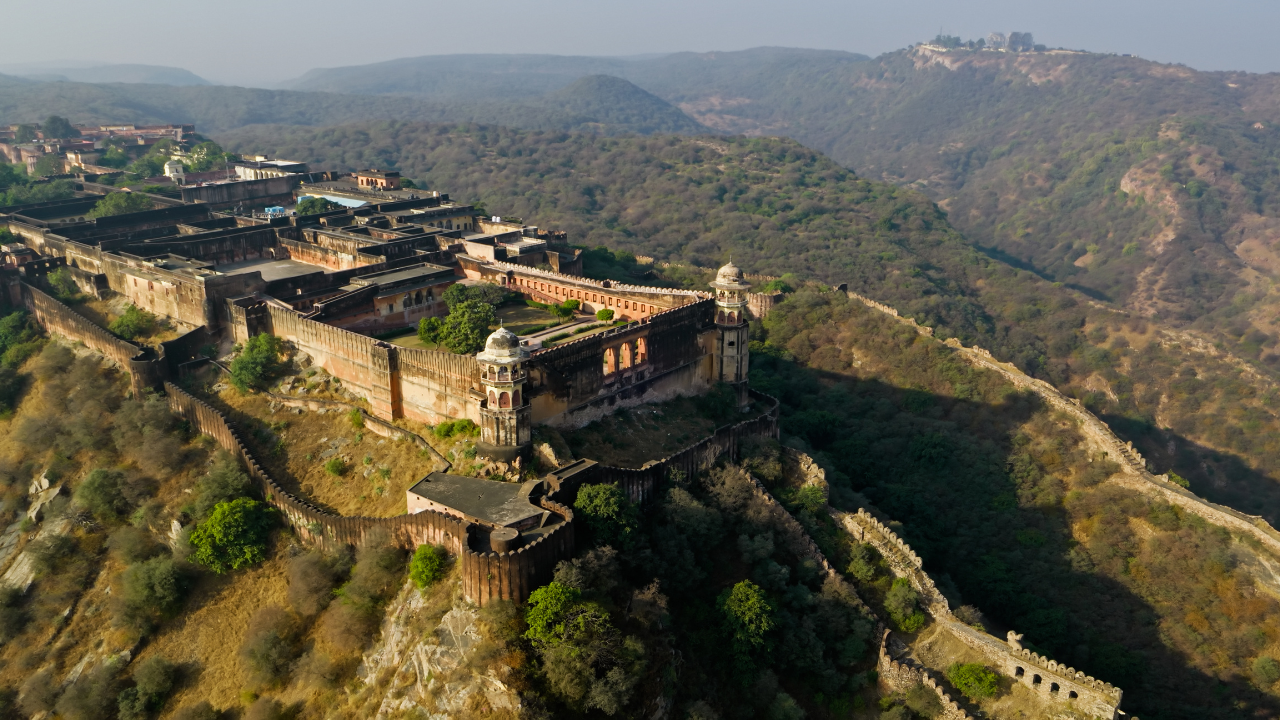
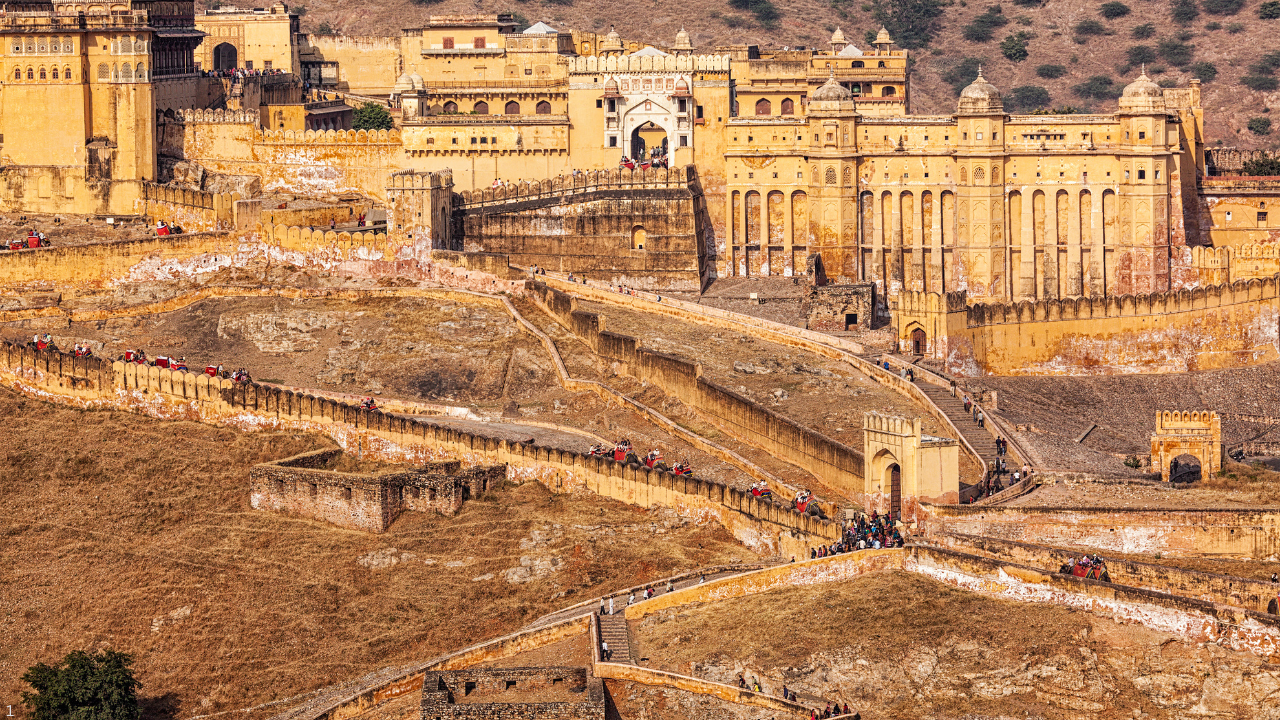
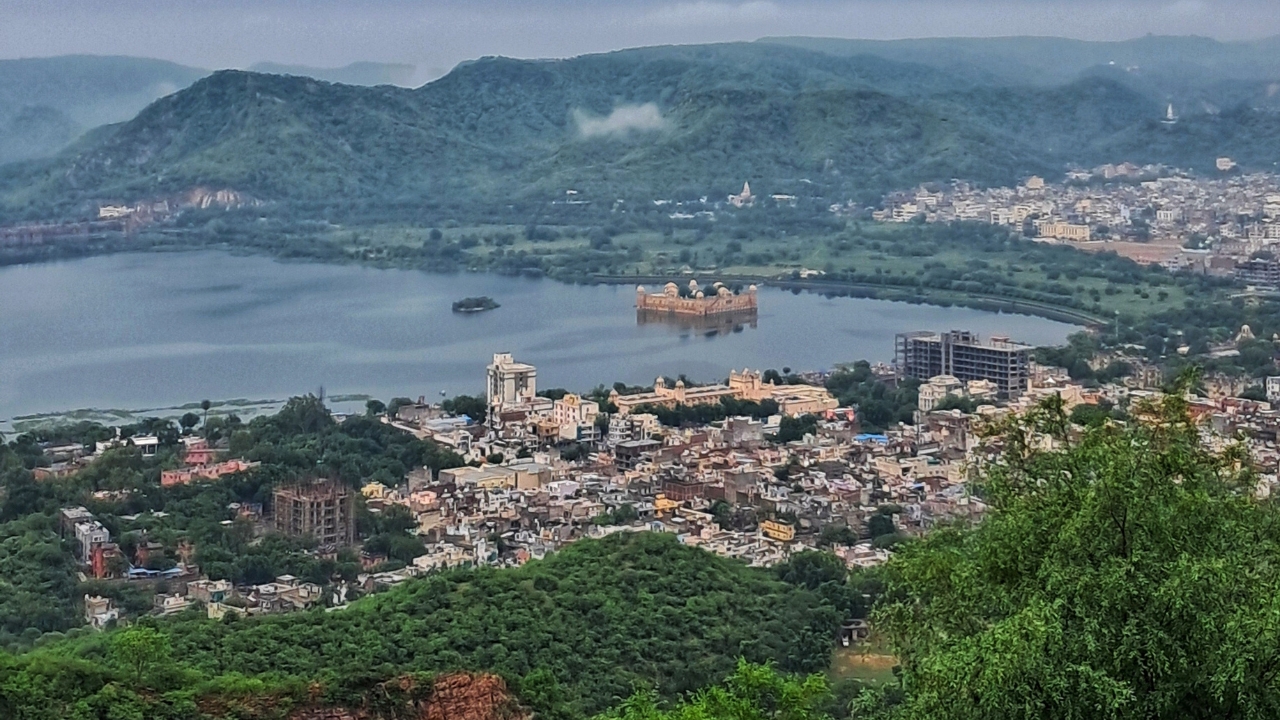

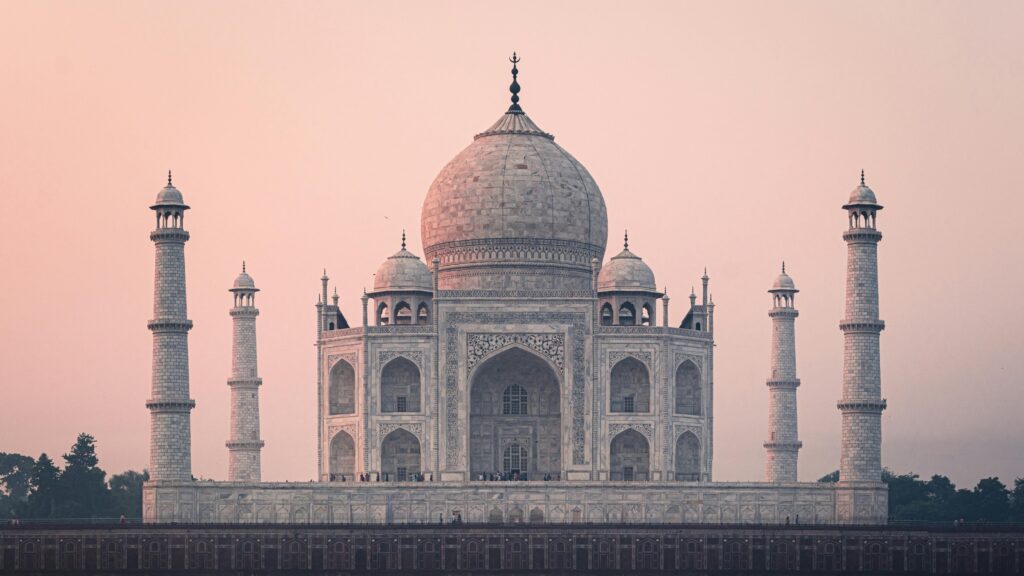
If you are planning a trip to India, chances are high that you are looking to explore the famous Golden Triangle circuit. This iconic route connects Delhi, Jaipur, and Agra, offering a breathtaking glimpse into royal history, architectural wonders, and vibrant culture. Once you have soaked in the pink-hued palaces of Jaipur, the next logical step on your adventure is heading east to the city of the Taj Mahal: Agra.
But what is the best way to make the journey? The cities are separated by roughly 240 kilometers (about 150 miles) of historical landscape. Choosing how to bridge that gap depends entirely on your travel style, budget, and schedule.
As a traveler who has navigated this specific route multiple times, I am breaking down everything you need to know about traveling from Jaipur to Agra by both road and train. From timing and hidden en-route gems to insider tips for international tourists, here is your ultimate transit guide.
Cruising by Road: Flexibility and Hidden Gems
Taking the road from Jaipur to Agra is an incredible experience, especially if you love watching the countryside transition from the rugged, desert-like hills of Rajasthan to the lush, green plains of Uttar Pradesh. Going by road offers unmatched flexibility—you can stop whenever you want for a photo, a quick bathroom break, or a hot cup of masala chai.
The Route and Travel Times
The most common and efficient path is via National Highway 21 (NH21), passing through Dausa and Bharatpur. Under normal traffic conditions, the drive takes 4 to 5 hours.
If you hire a private taxi, your driver will pick you up right from your Jaipur hotel and drop you at your destination in Agra. The highway is a well-maintained, four-lane divided road, making it a surprisingly smooth ride for international visitors.
Top Places to Stop Along the Way
The biggest perk of a road trip is that it turns a transit day into a sightseeing day. Many tourists opt for a comprehensive Agra Tour Package or a broader Jaipur to Agra Tour Package that automatically includes these fantastic en-route stops:
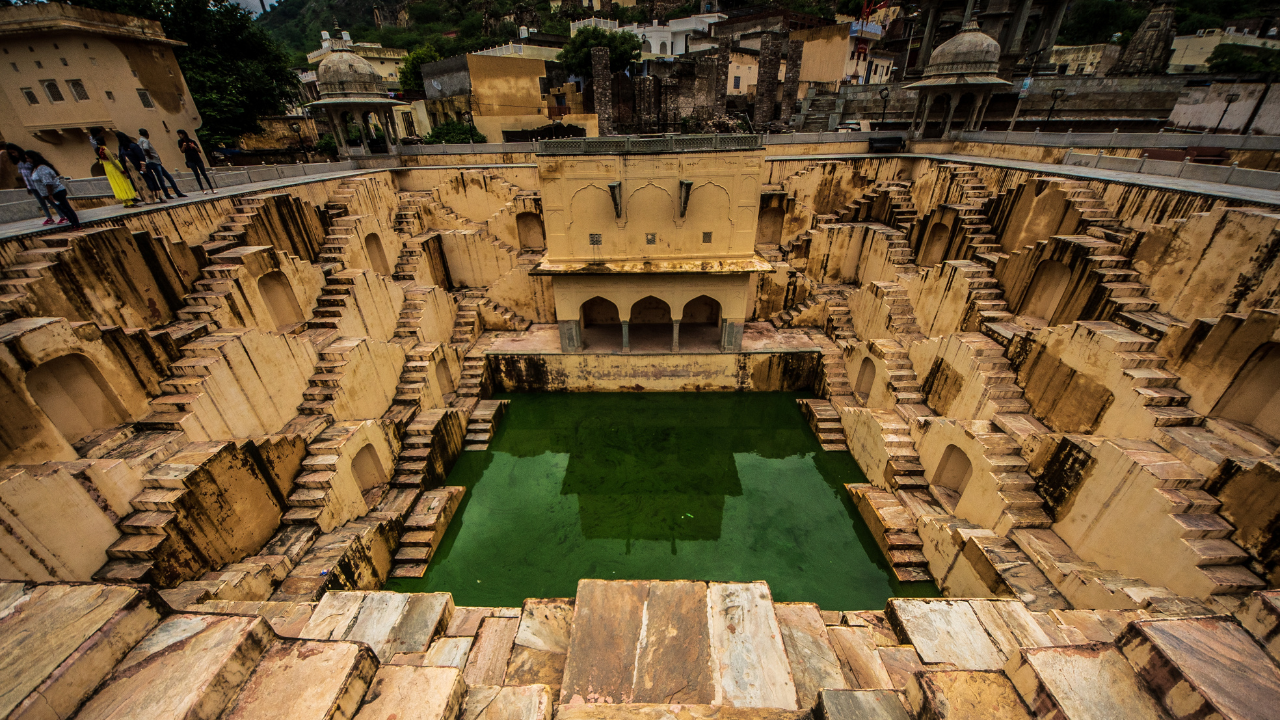
- Chand Baori (Abhaneri): Located slightly off the main highway, this is one of the largest and most visually stunning stepwells in the world. Built over a thousand years ago, its geometric, symmetrical steps look like a real-life optical illusion.
- Keoladeo National Park (Bharatpur Bird Sanctuary): A UNESCO World Heritage Site, this paradise is home to thousands of resident and migratory birds. You can hire a local bicycle rickshaw puller to take you through the park quietly.
- Fatehpur Sikri: Just 35 kilometers before you reach Agra sits this magnificent, abandoned red sandstone city built by Emperor Akbar. It serves as a hauntingly beautiful prelude to the Mughal architecture awaiting you in Agra.
Pro-Tip for Road Trips: Always ask your driver to start early—ideally around 6:00 AM. This ensures you beat the heavy city traffic leaving Jaipur, bypass the heat of the midday sun, and arrive in Agra with plenty of daylight left to explore.
Riding the Rails: The Authentic Indian Train Experience
For many international travelers, riding an Indian train is a bucket-list experience in itself. It is fast, highly affordable, and gives you a front-row seat to local daily life. The rail connection between Jaipur Junction and the stations in Agra is highly reliable, with multiple trains running every single day.
Recommended Trains and Timings
You do not want to jump on just any train; some make dozens of stops and can take over six hours. For a comfortable, reliable ride, look for express trains that wrap up the journey in 3.5 to 4.5 hours.
Here are the top picks for tourists:
| Train Name & Number | Departure from Jaipur | Arrival in Agra | Running Days |
| UDZ KURJ Express (19666) | 05:50 AM | 10:20 AM (Agra Cantt) | Daily |
| AII AF Express (22987) | 08:10 AM | 12:40 PM (Agra Fort) | Daily |
| AII AF Intercity (12196) | 04:50 PM | 09:40 PM (Agra Fort) | Daily |
Which Train Class Should You Book?
Indian trains offer several tiers of seating, and choosing the right one makes a massive difference in comfort:
- AC Chair Car (CC): Excellent for day trips. You get an assigned, air-conditioned seat similar to an airplane layout.
- 1A, 2A, or 3A (Air-Conditioned Sleeper Classes): These feature open or semi-private berths where passengers can lie down. They are quiet, air-conditioned, and highly comfortable for relaxing or reading.
- Sleeper (SL) & Second Seating (2S): Non-air-conditioned and usually very crowded. While adventurous, they can get incredibly hot in summer and may feel overwhelming for first-time international visitors.
Important Station Note: Agra has more than one major station. Agra Cantt (AGC) and Agra Fort (AF) are both close to the main tourist hubs and the Taj Mahal. However, double-check your ticket so you know exactly where you are stepping off!
Essential Survival Tips for Tourists
Whether you are booking a private vehicle or navigating the bustling train platforms, a little preparation goes a long way.
- Book Your Train Tickets Early: Train travel is immensely popular. Tickets open for booking up to 120 days in advance, and prime tourist classes sell out quickly. Use official government ticketing portals or verified booking apps to secure your seats before arriving.
- Keep Cash on Hand: While digital payments are used everywhere by locals, international cards can sometimes be finicky in smaller towns. Keep a stash of Indian Rupee (INR) cash for highway toll plazas, roadside food stalls, and tipping your driver.
- Dress Comfortably and Respectfully: Both options require some walking, especially if you stop at stepwells or forts along the way. Wear breathable clothing, comfortable walking shoes, and bring a light scarf to cover your head or shoulders if you visit religious sites.
- Download Offline Maps: While highway connectivity is generally good, there are patches along the highway where cell signal drops. Download offline versions of maps for the route so you can track your journey in real time.
Conclusion
Ultimately, choosing between the road and the rail comes down to what you want out of your transit day. If your priority is saving time, traveling comfortably on a budget, and experiencing an authentic piece of local culture, booking an air-conditioned train seat is tough to beat.
On the flip side, if you are traveling with family, carrying heavy luggage, or eager to explore architectural marvels like Chand Baori and Fatehpur Sikri along the way, hiring a private car or booking a tailored Jaipur to Agra Tour Package is worth every penny. Whichever path you choose, an unforgettable encounter with the Taj Mahal awaits you at the end of the line.
Frequently Asked Questions (FAQs)
1. Is it safe for international tourists to drive themselves from Jaipur to Agra?
While self-driving is technically possible, it is not recommended for international tourists unfamiliar with local driving conditions. Traffic rules can feel chaotic, navigation through small towns is tricky, and encounters with stray animals or heavy trucks are common. Hiring a private car with a professional, experienced local driver is much safer, less stressful, and highly affordable.
2. How far in advance should I book my train tickets?
You should book your train tickets as early as possible, ideally several weeks or even months before your trip. Premium air-conditioned classes (like CC, 2A, and 3A) on popular routes sell out fast, especially during the peak tourist season from October to March.
3. Can I visit the Taj Mahal on the same day I arrive from Jaipur?
Yes, you can! If you take an early train or leave by car at 5:30 AM, you will arrive in Agra by mid-morning. This gives you plenty of time to check into your hotel, grab lunch, and visit the Taj Mahal by the afternoon or sunset. Just remember that the Taj Mahal is closed on Fridays.
4. Are there good places to eat on the highway between Jaipur and Agra?
Absolutely. The highway features numerous clean, spacious roadside restaurants and tourist plazas. These spots serve freshly cooked, hot traditional meals, clean restrooms, and bottled water. Stick to highly populated, busy tourist midway spots for the best hygiene standards.