
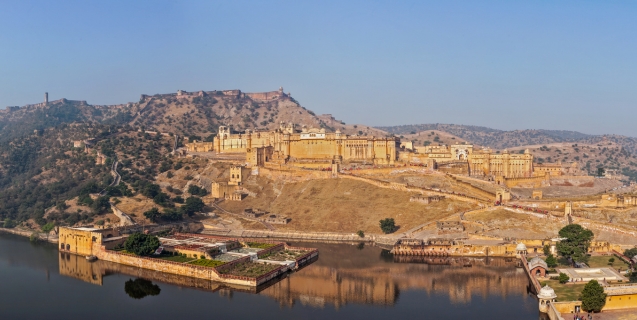
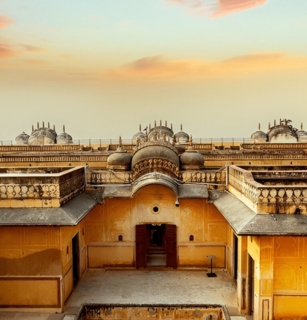

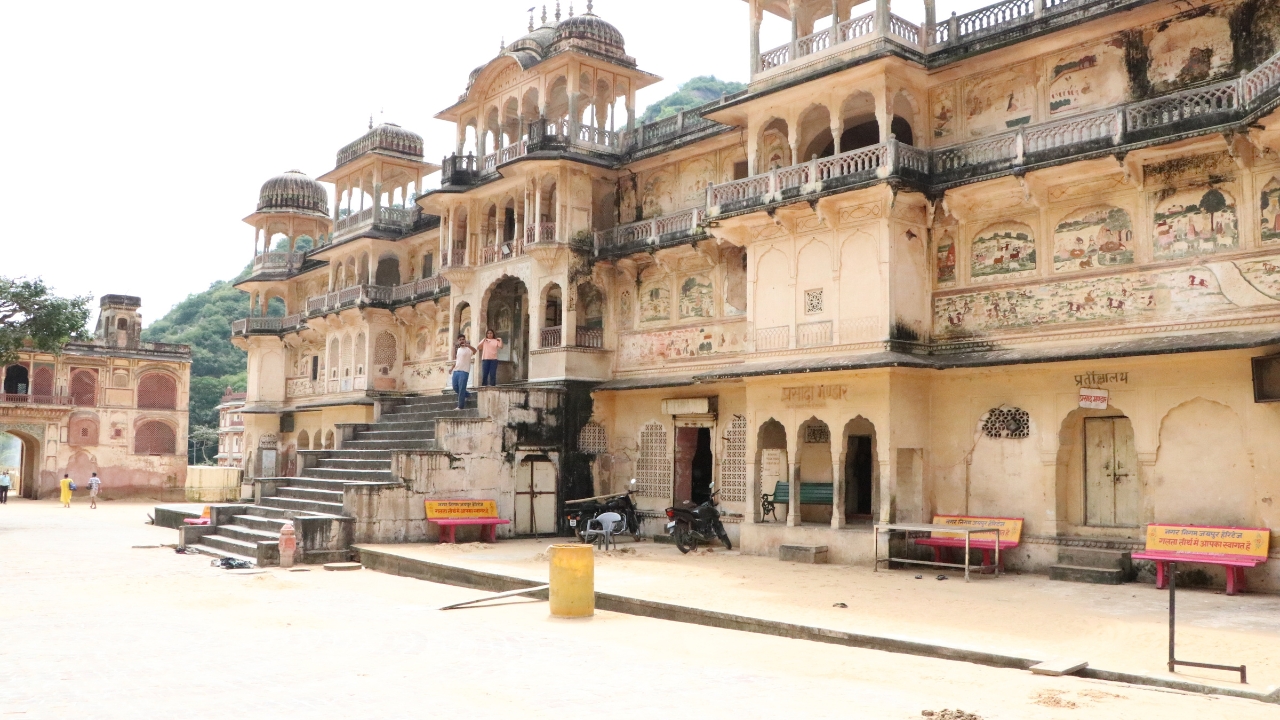
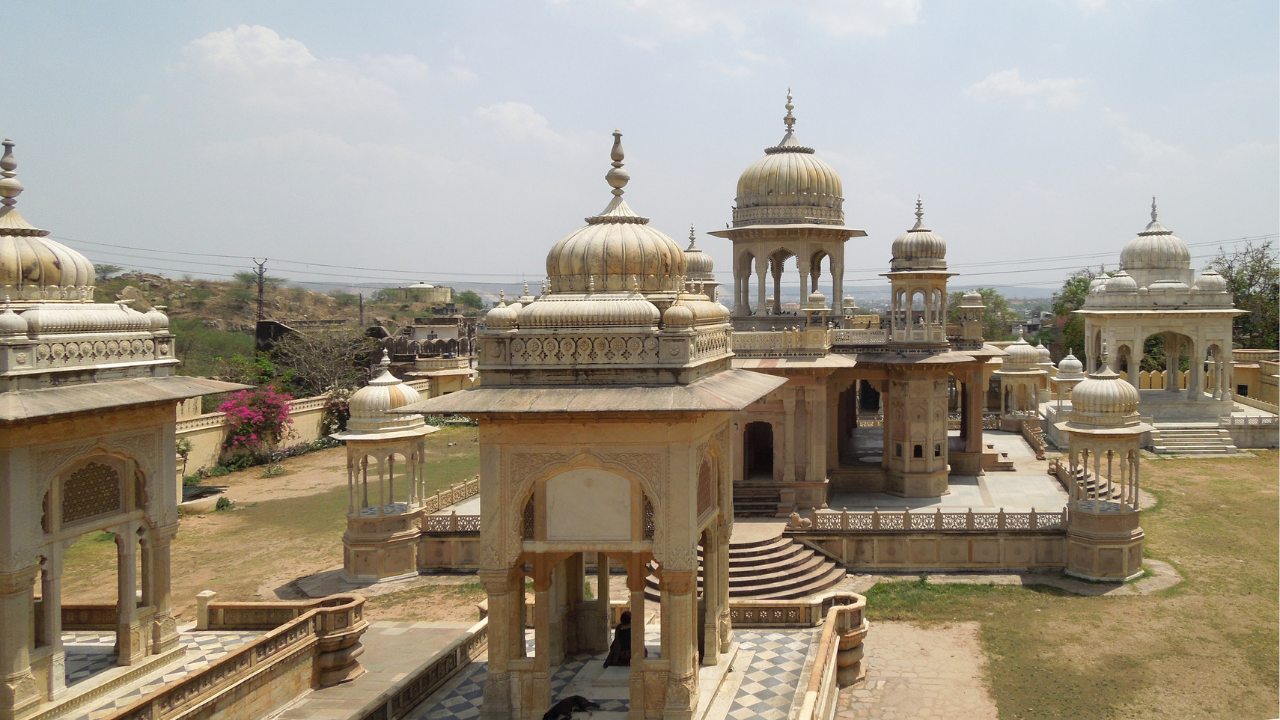
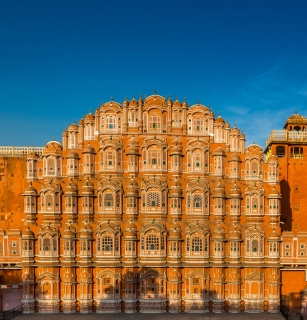



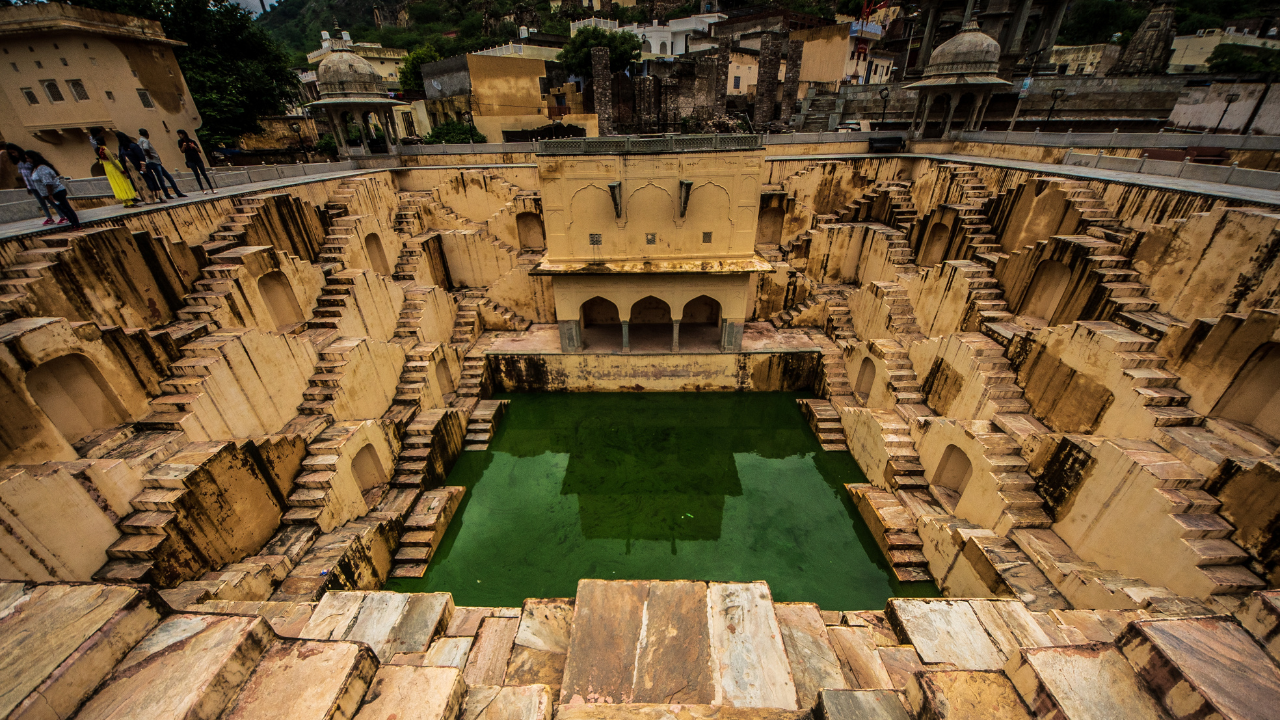



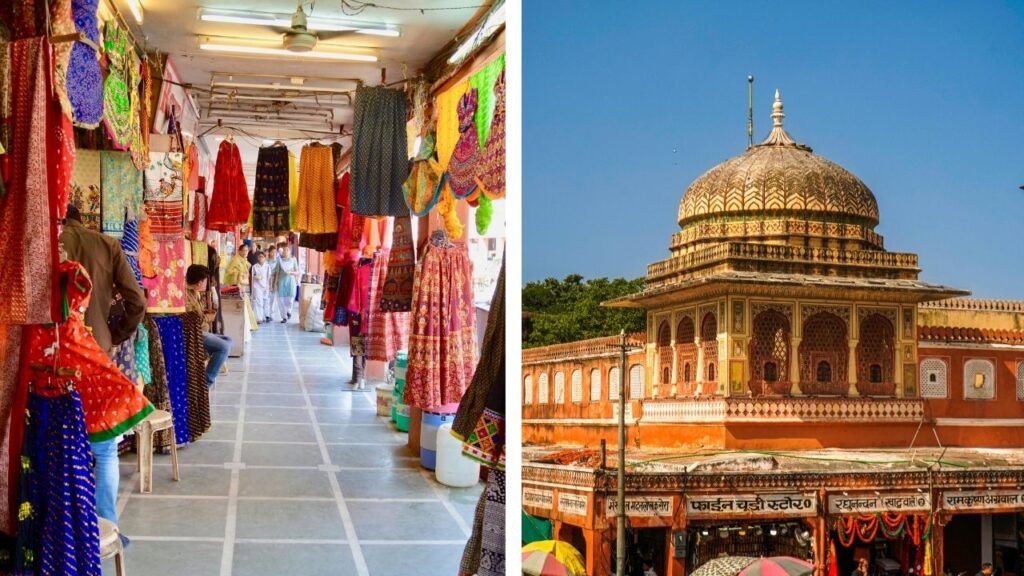
If you have ever dreamt of a place where every corner feels like a scene from a movie, Jaipur’s Old City is that place. While the monuments like the Hawa Mahal get all the Instagram fame, the real soul of the city lives in its markets. These aren’t your typical organized shopping malls with air conditioning and fixed prices. These are ancient, breathing labyrinths where the air smells of cardamom chai and fresh marigolds, and the colors are so bright they almost feel loud.
As someone who has navigated these pink-walled lanes more times than I can count, I can tell you that shopping here is a skill. It’s an adventure. If you are looking for a shopping guide for Jaipur tourists that goes beyond the surface, you’ve come to the right place. We are going deep into the heart of the “Katlas” and the “Bazaars” to help you shop like a local.
The Heart of the Chaos: Purohit Ji Ka Katla
Most tourists stick to the main roads of Johari Bazaar or Bapu Bazaar. They see the pretty storefronts and think they’ve seen it all. But if you want to see where the city truly shops—especially for weddings—you have to find the entrance to Purohit Ji Ka Katla.
Located inside the Tripolia Bazaar area, “The Katla” (as we locals call it) is a massive wholesale market hidden behind a small, unassuming gateway. Centuries ago, this area served as the royal stables. Today, the horses are gone, replaced by stacks of fabrics that reach the ceiling.
Why It’s Special
The Katla is a “market of markets.” Because it is a wholesale hub, the prices here are often 30% to 50% lower than what you would find in the fancy boutiques of the newer parts of town. It is the epicenter of Rajasthani ethnic wear. If you are looking for a traditional Lehenga, a Sari, or even just beautiful unstitched fabric to take back home, this is your Mecca.
Navigating the Katla
The first thing you’ll notice is how narrow the lanes are. It’s a maze. You’ll be walking, and suddenly an e-rickshaw will beep behind you, or a porter carrying a massive bundle of cloth on his head will shout “Bhai Sahab!” to clear the path. Don’t be intimidated; just go with the flow.
What to look for:
- Gota Patti Work: This is a famous Rajasthani embroidery where gold or silver ribbon is stitched into beautiful floral patterns. The Katla has the best variety in the world.
- Bandhej (Tie-Dye): You’ll see fabrics being unfolded that look like a rainbow. The intricate tie-dye patterns here are authentic and handmade.
- Bridal Wear: Even if you aren’t getting married, looking at the heavy, hand-embroidered wedding outfits is like visiting a textile museum.
Exploring the Great Bazaars of the Pink City
Once you emerge from the depths of the Katla, you are right in the middle of the Old City’s most famous shopping streets. Each bazaar has its own “specialty,” much like the guilds of medieval times.
Johari Bazaar: The Glittering Lane
“Johari” translates to “Jeweler.” Jaipur is one of the world’s leading hubs for cutting and polishing gemstones, and this bazaar is where that legacy lives.
- The Vibe: Sparkling, busy, and prestigious.
- What to Buy: Look for Kundan jewelry (gemstones set with gold foil) and Meenakari (vibrant enamel work). If you want something more affordable, there are hundreds of shops selling high-quality silver and semi-precious stones like amethyst, turquoise, and moonstone.
- Insider Tip: Don’t just stay on the main road. Peek into the small “Haldiyon Ka Rasta”—it’s a side lane where the real silversmiths work.
Bapu Bazaar: The Tourist’s Paradise
If you only have one afternoon, spend it at Bapu Bazaar. It is arguably the most famous shopping guide for Jaipur tourists destination because it is a “one-stop shop.”
- Mojaris (Leather Shoes): You’ll see thousands of pairs of traditional leather shoes lined up in every color imaginable. They are made from camel leather and are surprisingly durable.
- Jaipuri Quilts (Razai): These quilts are famous because they weigh almost nothing (literally a few hundred grams) but keep you incredibly warm. They are perfect for packing in a suitcase.
- Cotton Apparels: From block-printed “Sanganeri” shirts to breezy skirts, the cotton here is perfect for the Indian heat.
Tripolia Bazaar: Bangles and Brass
Tripolia Bazaar is known for its heritage and its metalwork. The famous “Maniharon Ka Rasta” is located here, which is the lane of the bangle makers.
- Lac Bangles: Unlike cheap plastic bangles, these are made from natural resin (Lac). You can watch the artisans melt the resin over small fires and hand-set tiny crystals into them. It’s a dying art and beautiful to witness.
The Art of the Deal: How to Bargain Like a Pro
For many international visitors, bargaining feels uncomfortable. In Jaipur, it’s a social interaction. If you pay the first price mentioned, the shopkeeper might actually be disappointed that the “game” ended so quickly!
- The 50% Rule: As a general starting point, offer about 50% of the quoted price. You will likely settle at around 60-70%.
- The “Walk Away” Move: If a price feels too high, politely say thank you and start walking toward the exit. More often than not, the shopkeeper will call you back with a “special price just for you.”
- Bundle Up: You get much better deals if you buy more. Instead of buying one scarf, buy five for friends back home. The price per piece will drop significantly.
- Stay Smiling: Keep it lighthearted. A smile and a bit of humor will get you a much better discount than being aggressive.
Practical Information for the Savvy Shopper
Timing is Key
Most shops in the Old City open around 11:00 AM. If you go at 9:00 AM, you’ll find most shutters down. The best time to shop is between 11:30 AM and 2:00 PM before the afternoon heat and the evening rush hour hit.
- Note: Many shops in Purohit Ji Ka Katla and Tripolia Bazaar are closed on Sundays. Bapu Bazaar, however, usually stays open.
Transportation
Do not try to take a car into the Old City. The traffic is a nightmare and there is zero parking.
- The Best Way: Take a Rickshaw or an E-rickshaw. It’s cheap, fun, and they can navigate the narrowest lanes where cars can’t go.
- Walking: The bazaars are meant to be explored on foot. Just be prepared for uneven pavement and lots of people.
Stay Hydrated and Fed
Shopping is exhausting!
- Drink: Grab a Lassi from the famous shops on MI Road.
- Eat: Try some “Pyaz Kachori” (onion pastries). It’s the fuel that keeps Jaipur running.
- Comfort: Most traditional shops will ask you to sit on white-cushioned floors. Wear shoes that are easy to slip on and off!
The Cultural Connection
What makes shopping in Jaipur different from buying things online is the connection to the artisan. In many of these shops, the person selling you the item is the son or grandson of the person who started the business.
When you buy a hand-block printed tablecloth, you are buying weeks of labor. When you buy a piece of pottery, you are carrying home a craft that was brought to Jaipur by the Maharajas in the 17th century. It’s not just “stuff”; it’s a piece of history.
Conclusion
Jaipur is a city that rewards the curious. If you stay on the main tourist path, you’ll have a great time. But if you venture into the narrow, chaotic lanes of Purohit Ji Ka Katla and spend time talking to the bangle makers in Tripolia, you’ll leave with more than just souvenirs. You’ll leave with stories.
The Pink City is waiting to show you its treasures. Just remember: bring an extra suitcase, keep your sense of humor, and don’t be afraid to get a little lost in the maze.
Frequently Asked Questions (FAQs)
1. Is it safe to carry a lot of cash in the markets?
Jaipur is generally very safe, but like any crowded tourist destination, pickpockets can be an issue. It’s best to keep your cash in a secure inner pocket or a cross-body bag worn in front. Most larger shops now accept digital payments (UPI) or credit cards, but smaller street vendors will only take cash.
2. Can I get items customized or stitched quickly?
Yes! If you buy fabric in the Katla or Bapu Bazaar, there are many “express” tailors nearby who can stitch a suit or a blouse within 24 to 48 hours. Just make sure to agree on the price and the delivery time upfront.
3. How do I know if I’m getting a fair price?
The best way is to “window shop” first. Ask the price for the same item at three different shops. By the third shop, you’ll have a very good idea of what the “real” price should be.
4. What is the one thing I absolutely MUST buy in Jaipur?
While it depends on your taste, a Jaipuri Razai (Quilt) or a pair of Mojaris (Leather Shoes) are the most iconic souvenirs. They are unique to the region and very hard to find in authentic quality anywhere else.
5. How do I handle the crowds?
The crowds are part of the experience! If it gets too much, duck into a smaller side lane or find a local “Chai” stall to sit for ten minutes. The energy of the market is high, but people are generally polite and will give you space if you step to the side.








7 Comments
bbjlcasino
August 19, 2026 at 11:33 amBbjlcasino, alright! Jumped in and found some games I really like. The user interface is not bad. Gonna keep rolling the dice and see what happens over at bbjlcasino
poneclub
August 19, 2026 at 11:34 amPoneclub’s the place where I spend my fun time every night. A real community vibe. You guys gotta try it! Here’s the link: poneclub
777phslot
August 19, 2026 at 11:34 am777phslot, slots are fun, and the graphics are pretty good. I’ve had a few wins, so I can’t complain. Spin those reels at 777phslot.
bdnbajje
September 6, 2026 at 12:07 amI’ve tried a few sites lately but this one feels much smoother. The loading speed is impressive and the interface is very intuitive. Definitely checking out bdnbajje more often!
okfunphsignup
September 26, 2026 at 5:59 amThe registration process was a breeze and I was able to start playing within minutes. Great for newcomers who want a quick start at okfunphsignup.
phjollibe777
September 29, 2026 at 7:52 pmI’ve been trying a few different platforms lately and this one really stands out. The interface is smooth and the payouts are legit. Definitely check out phjollibe777 if you want a reliable spot.
kr247bet
October 7, 2026 at 12:21 amI love how I can bet anytime and anywhere. The 24/7 availability is perfect for my schedule and the odds are quite competitive. kr247bet